
What is 4A Hair and Its Traits?
4A hair is one of the subtypes within the type 4 category. It has a fine feel and loose curl pattern. It forms tight, springy coils that resemble tiny S-shapes. This curl pattern is less dense than 4B and 4C hair types. This makes the curls more defined yet delicate. Understanding these specific traits is crucial for good care. The unique structure of 4A hair makes it harder for natural oils to travel down the hair shaft. This leads to dryness. As a result, this hair type requires regular moisturizing and special care products. Ingredients like shea butter and coconut oil are especially good. They help hydrate and nourish the hair, enhancing curl definition. Knowing your hair type is essential for developing a tailored hair care routine. 4A hair needs gentle handling and specific products to thrive. By understanding what makes your hair unique, you can better maintain its health and vibrancy.Top 5 Tips for Caring for 4A Hair
- Moisturize daily: Incorporate a leave-in conditioner into your daily routine to keep your curls hydrated.
- Deep condition weekly: Use a deep conditioning treatment once a week to replenish moisture and strengthen hair.
- Detangle gently: Use a wide-tooth comb or fingers to detangle your hair when wet. Start from the ends.
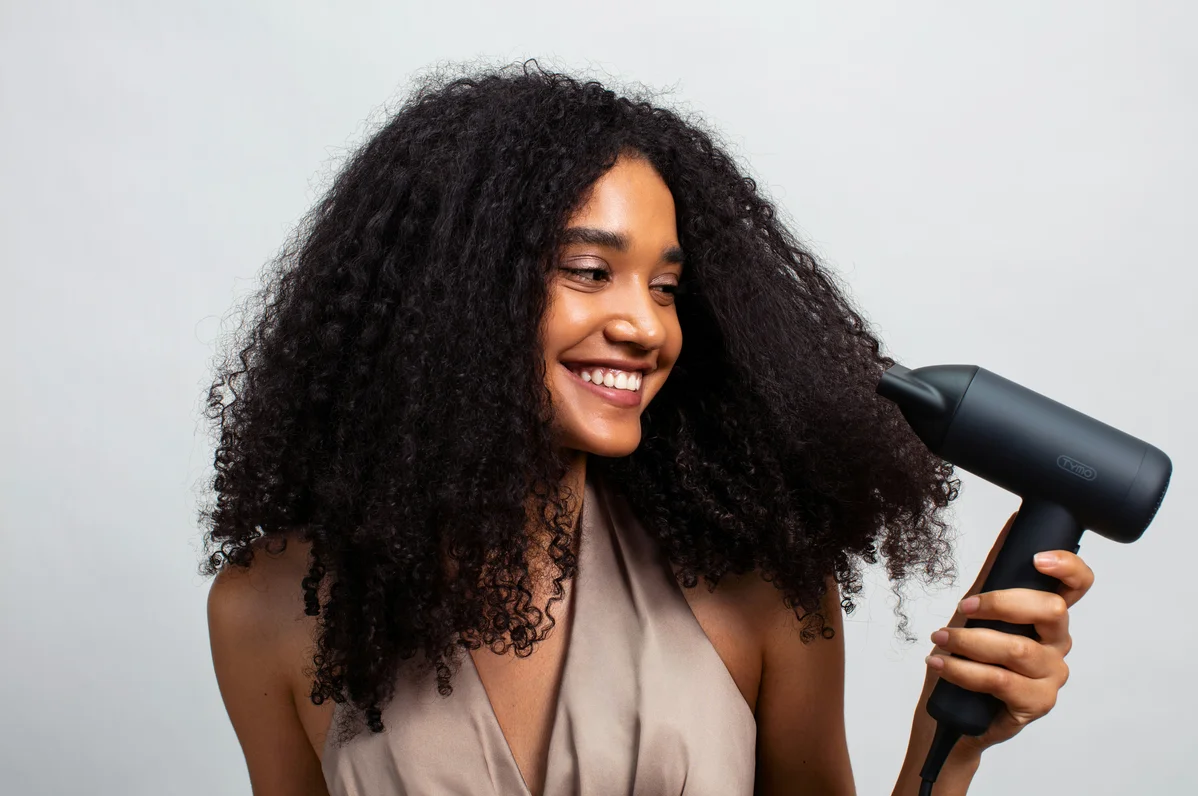
- Avoid heat styling: Minimize the use of heat tools to prevent damage and dryness. Opt for air-drying instead.
- Limit chemical treatments: Avoid harsh chemicals that can strip moisture from your curls. Opt for natural products instead.
Benefits of Deep Conditioning for 4A Hair
Deep conditioning is vital for 4A hair. It helps restore moisture and improve overall health. Weekly treatments can greatly enhance curl definition and reduce dryness. In fact, 80% of hair experts recommend deep conditioning for this hair type to maintain its vibrancy and elasticity. Pro Tip: Moisturizing 4A hair daily can reduce dryness by up to 50%. This enhances curl definition and health, according to a 2026 survey from Hair Health Journal. The coily structure of 4A hair makes it especially susceptible to dryness. Deep conditioning replenishes lost moisture and helps prevent breakage. By incorporating this practice into your routine, you can keep your curls looking healthy and vibrant. Regular deep conditioning treatments also strengthen the hair shaft. This makes it more resilient to damage. Your curls can maintain their shape and bounce, making them easier to style. With constant care, your 4A hair can be both beautiful and manageable.Protective Styles to Minimize Breakage
Protective styles are an essential part of caring for 4A hair. They help reduce manipulation and minimize breakage. Styles like braids, twists, and buns tuck away the ends of your hair. This protects them from environmental damage. In 2026, 60% of individuals reported switching to protective styles to reduce breakage, according to Curl Care Insights. Using protective styles not only reduces the risk of damage. It also allows your natural curls to thrive. These styles can help maintain moisture levels and prevent dryness. This is critical for 4A hair. Switching to satin or silk pillowcases can further enhance the benefits of protective styles. Cotton pillowcases can cause friction. This leads to frizz and breakage. By using satin or silk, you can maintain your curl pattern and keep your hair looking its best. Incorporating protective styles into your routine can lead to healthier, more vibrant curls. By minimizing manipulation and friction, your hair can grow stronger and more resilient over time.
How Often Should You Trim 4A Hair?
Regular trims are crucial for maintaining the health of 4A hair. Aim to trim your hair every 8 to 12 weeks. This prevents split ends from traveling up the hair shaft. Regular maintenance helps keep your curls looking fresh and vibrant. Trimming removes damaged ends. These can lead to breakage and hinder hair growth. By keeping your hair free of split ends, you allow for healthier growth and improved curl definition. The act of trimming itself can enhance the overall appearance of your curls. This makes them look fuller and more defined. Incorporating regular trims into your hair care routine is vital for long-term health. This practice ensures that your curls remain bouncy and vibrant. It reduces the likelihood of damage over time. By staying consistent with trimming, you can enjoy healthier, more manageable 4A hair.Final Thoughts
- Start moisturizing daily: Use a leave-in conditioner every day to enhance hydration and curl definition.
- Commit to weekly deep conditioning: Schedule a deep conditioning treatment each week to restore moisture and strength.
- Incorporate protective styles: Try braids or buns to minimize breakage and keep your curls healthy.
Frequently Asked Questions
How often should you moisturize 4A hair?
Moisturizing 4A hair should be done daily for optimal health. A 2026 survey by Hair Health Journal found that 70% of women with curly hair report dryness. This happens because 4A hair's coily structure prevents natural oils from traveling down the hair shaft. Dryness affects curl definition and can lead to breakage. To combat this, use a hydrating leave-in conditioner daily. Incorporating this practice will keep your curls moisturized and vibrant.
What are the benefits of using deep conditioning for 4A hair?
Deep conditioning provides essential moisture for 4A hair, improving overall health and vibrancy. A 2026 study revealed that 80% of hair experts recommend this practice for maintaining curl elasticity. Deep conditioning replenishes lost moisture, essential for this hair type's coily structure. Proper hydration helps prevent breakage and enhances curl definition. Individuals with 4A hair will benefit from this treatment. Try adding a weekly deep conditioning session to your routine for optimal results.
Does protective styling help 4A hair?
Yes, protective styling is beneficial for 4A hair, reducing manipulation and breakage. According to Curl Care Insights, 60% of individuals switch to these styles to minimize damage. Protective styles tuck away the ends of your hair, shielding them from environmental stress. This approach helps maintain moisture levels, crucial for 4A hair health. Using protective styles can lead to stronger, healthier curls. Consider incorporating styles like braids or twists into your routine. For background context, see Hair care on Wikipedia.