
5 Must-See Stops Along the Oregon Trail
The Oregon Trail features numerous notable stops that highlight its history and beauty. One must-visit location is the Oregon Trail Center in Montpelier, Idaho. This interactive museum provides a glimpse into the lives of early pioneers. Exhibits include wagon displays and reenactments of daily life on the trail. Visitors can gain insight into the challenges and triumphs of those who traveled westward. Another key stop is Chimney Rock in Nebraska. This natural landmark served as a navigation point for pioneers. The striking rock formation rises 325 feet above the ground. It is a prominent sight on the horizon. Today, it’s surrounded by a visitor center that provides educational resources about its significance. Also, consider visiting Fort Laramie in Wyoming. This historic fort played a key role in westward expansion. It served as a supply depot and military outpost. The fort offers guided tours. This allows visitors to learn about its history and the various cultures that interacted there. Lastly, the Oregon Trail ruts near Guernsey, Wyoming, are a reminder of the thousands of wagons that once traveled this route. These deep grooves in the earth are preserved as a historical site. They showcase the trail's impact and its enduring legacy.The Importance of Indigenous History on the Trail
Understanding Indigenous history is key when exploring the Oregon Trail. The migration of settlers greatly affected Native American tribes. It led to displacement and cultural loss. This history is often overlooked in traditional narratives that focus on pioneer triumphs. Acknowledging these impacts builds a more accurate understanding of American history. Pro Tip: Traveling the full 2,170 miles of the Oregon Trail can provide over 30 unique historical and cultural experiences, according to the National Park Service. Many sites along the trail highlight Indigenous contributions and experiences. For instance, the Oregon National Historic Trail includes interpretive programs that focus on Native American perspectives. These programs help visitors appreciate the rich cultural heritage that existed long before settlers arrived. The shift in focus from a solely Eurocentric view to a more inclusive narrative enriches the travel experience. By learning about the history of Indigenous peoples, travelers can engage in meaningful conversations about heritage and reconciliation. This approach educates visitors and honors the cultures that have shaped the region.
Outdoor Activities for the Whole Family
The Oregon Trail road trip is also a fantastic opportunity for outdoor adventures. Families can enjoy hiking and camping in various national parks along the route. For example, the Oregon Trail Ruts State Historic Site offers scenic trails. These provide insight into the historical significance of the area while allowing for physical activity. Fishing and boating are also popular activities at several lakes and rivers along the trail. The North Platte River, for instance, is known for its excellent fishing opportunities. Families can plan a day of fishing. They can enjoy the serene environment while bonding over shared experiences. Plus, many parks feature picnic areas and playgrounds for children. This makes it easy to combine education with recreation. Everyone in the family can enjoy the trip. Exploring the outdoors while learning about history encourages a love for both nature and heritage.Tips for Planning Your Oregon Trail Road Trip
- Research historical sites: Identify at least five key landmarks to visit before your trip.
- Plan your route: Map out a route that includes both major attractions and scenic byways within two weeks.
- Prepare your vehicle: Ensure your car is in good condition for a long drive by checking fluids and tires one week prior.
- Pack essentials: Bring snacks, water, and a first aid kit for the road trip. This ensures you're prepared for any situation.
- Book accommodations: Reserve hotels or campsites in advance. This is especially important during peak travel seasons to avoid last-minute stress.
What to Expect on Your Journey
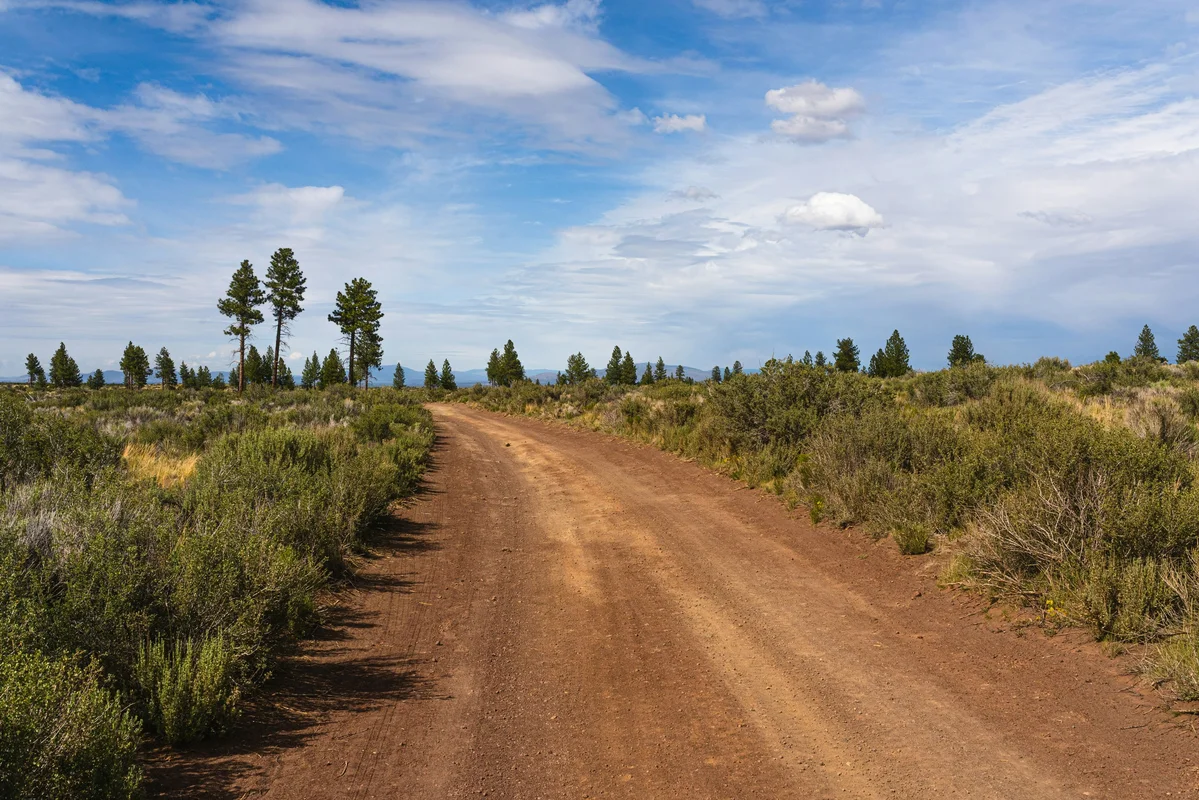
Traveling the Oregon Trail road trip provides a blend of history and adventure. Expect to see vast views, from rolling plains to rugged mountains. Each region has its own story, waiting to be discovered. The scenic beauty can be as captivating as the historical significance. You’ll also encounter various weather conditions. Prepare for hot summers and cold winters, depending on the season of your visit. Being ready for changing weather will ensure a more pleasant experience on the road. As you travel, take the opportunity to meet locals and fellow travelers. Many towns along the trail host events and festivals that celebrate their heritage. Engaging with communities enriches your understanding of the trail's history and its modern-day relevance.Final Thoughts
- Choose your travel dates: Select a week for your trip, ideally during spring or fall for pleasant weather.
- Gather resources: Research at least three books or documentaries about the Oregon Trail. This will enhance your knowledge before departure.
- Start packing: Begin collecting travel essentials and gear two weeks before your trip. This ensures you’re fully prepared.
Frequently Asked Questions
What historical sites can you visit on the Oregon Trail?
Travelers can visit multiple historical sites along the Oregon Trail, including Fort Laramie and Chimney Rock. About 60% of travelers report interest in learning about these sites. The National Park Service documented this trend in 2025. These locations provide insights into settler life and Native American history. This affects anyone interested in American heritage or history. Plan a stop at these sites to enrich your experience.
How long does it take to drive the Oregon Trail?
The drive along the Oregon Trail typically takes about two weeks. Most travelers spend an average of 14 days exploring various sites. The Travel Association reported this trend in 2026. This timeframe allows for a deeper exploration of historical landmarks and natural beauty. This applies to families and history enthusiasts alike. Consider taking 14 days for a fulfilling journey.
What outdoor activities are available on the Oregon Trail?
Outdoor activities along the Oregon Trail include hiking, fishing, and camping. Approximately 40% of visitors engage in these activities during their trip. The National Park Service highlighted this in their 2025 report. These activities enhance the travel experience by connecting visitors with nature. This appeals to families and adventure seekers. Plan a hiking trip at one of the many parks along the trail. For background context, see Road trip on Wikipedia.