
1. The Daily Life of Sherpa Workers
Sherpa workers at Everest Base Camp have a demanding yet rewarding lifestyle. Most start their careers in their late teens, following family traditions of mountaineering. Their daily tasks range from portering heavy loads to maintaining the camp's facilities. This work is not glamorous; it includes everything from cooking meals to cleaning toilets. During the Everest season, which peaks in spring, the camp becomes a busy hub. Sherpas trek from the Khumbu region, carrying essential supplies for climbers. As they arrive, they set up kitchens and living areas. They prepare for the influx of climbers. The work is physically challenging and often involves long hours at high altitudes. Despite the hard labor, many Sherpas find pride in their work. They are integral to the success of climbers aiming for Everest's summit. The honor of working in such a revered location adds to the appeal. This blend of tradition, hard work, and cultural significance makes the life of a Sherpa unique. Overall, the daily life of Sherpa workers is a mix of labor, tradition, and honor. They face physical challenges while contributing to the rich culture of mountaineering in Nepal.2. Dangers Faced by Base Camp Staff
Working at Everest Base Camp is fraught with dangers. The harsh weather conditions can lead to severe frostbite and hypothermia. The high altitude can cause Acute Mountain Sickness (AMS), which can be fatal if not addressed. In fact, 42 staff deaths have been recorded over the last decade due to these and other hazards. Pro Tip: Despite these risks, Sherpas can earn four times the average local salary during the Everest climbing season. This greatly impacts their families' lives. Other dangers include avalanches and rock falls, which can occur unexpectedly. Even at Base Camp, situated around 5,300 meters (17,388 feet) above sea level, these hazards are real. Workers are not just exposed to the elements. They also face risks from accidents involving climbers. Miscommunications can lead to altercations between staff and clients. Sometimes, these altercations escalate into violence. The reality of these dangers creates a complex environment for Sherpas. Many must weigh the financial rewards against the risks to their lives and health. This balance between danger and opportunity makes working at Everest Base Camp both appealing and perilous.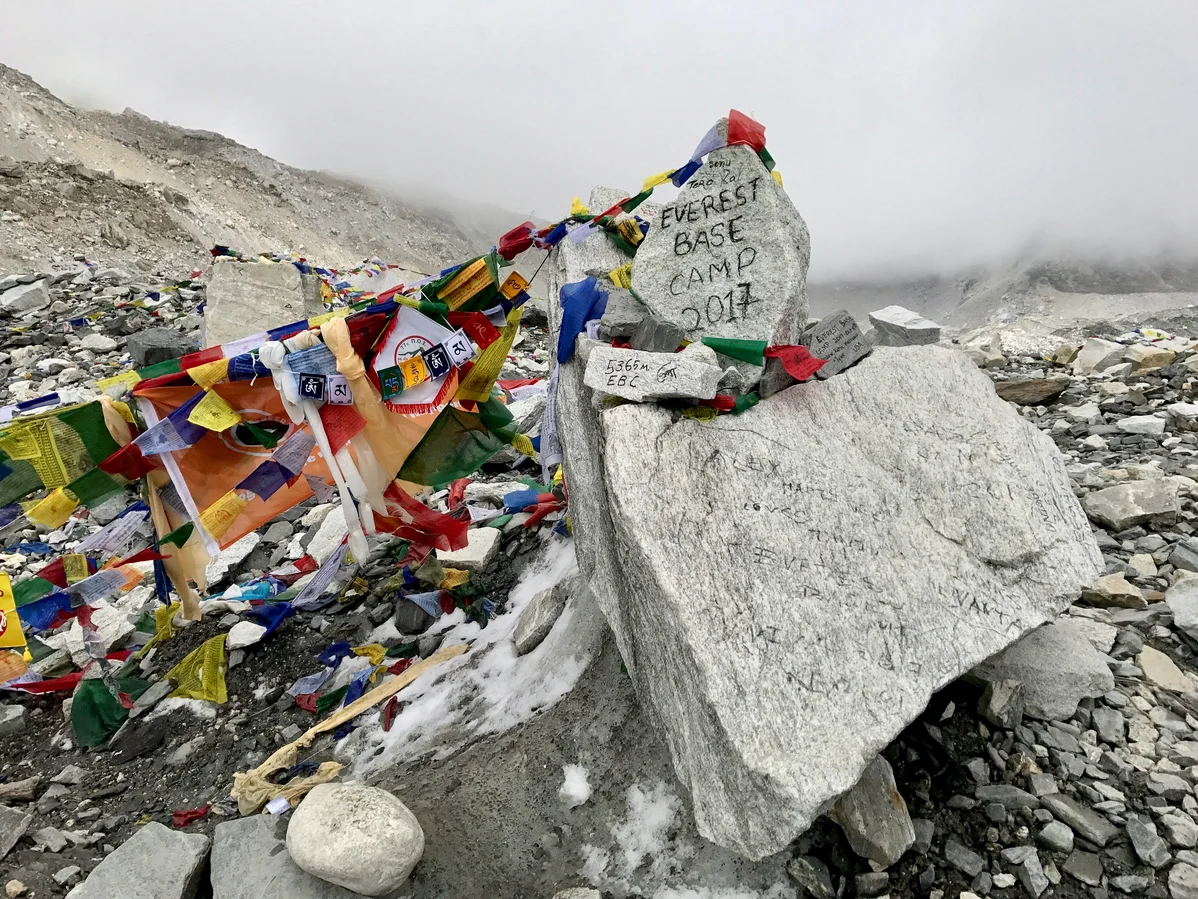
3. The Economic Impact of Climbing Season
- Assess local job opportunities: Look into year-round jobs in the Khumbu region, which generally pay around $500 annually.
- Consider working at Base Camp: Apply for a position during the Everest climbing season for potential earnings of $2,000 over three months.
- Prepare for the physical demands: Train adequately to handle the strenuous work involved in portering and other tasks at high altitudes.
- Understand the risks: Familiarize yourself with the dangers of working at high altitudes, including AMS and harsh weather conditions.
- Network with experienced Sherpas: Gain insights from seasoned workers about the job and its challenges to prepare yourself better.
4. The Prestige of Working on Everest
Working at Everest Base Camp carries a unique prestige that attracts many locals. The job is not just about making money; it’s about being part of a world-renowned climbing culture. Sherpas are often seen as the backbone of the climbing community. They are respected for their skills and knowledge of the mountain. This respect is a strong motivator for many. The honor of working in such a revered location also brings pride. Sherpas are part of a long tradition of mountaineering that dates back generations. They often share stories of their experiences, which adds to the cultural significance of their work. This pride can overshadow the dangers they face daily. Successful climbers often express gratitude for the Sherpas’ contributions. This acknowledgment can lead to tips and other forms of compensation. It further enhances their status. The blend of respect, tradition, and financial reward makes working at Everest Base Camp appealing despite its dangers.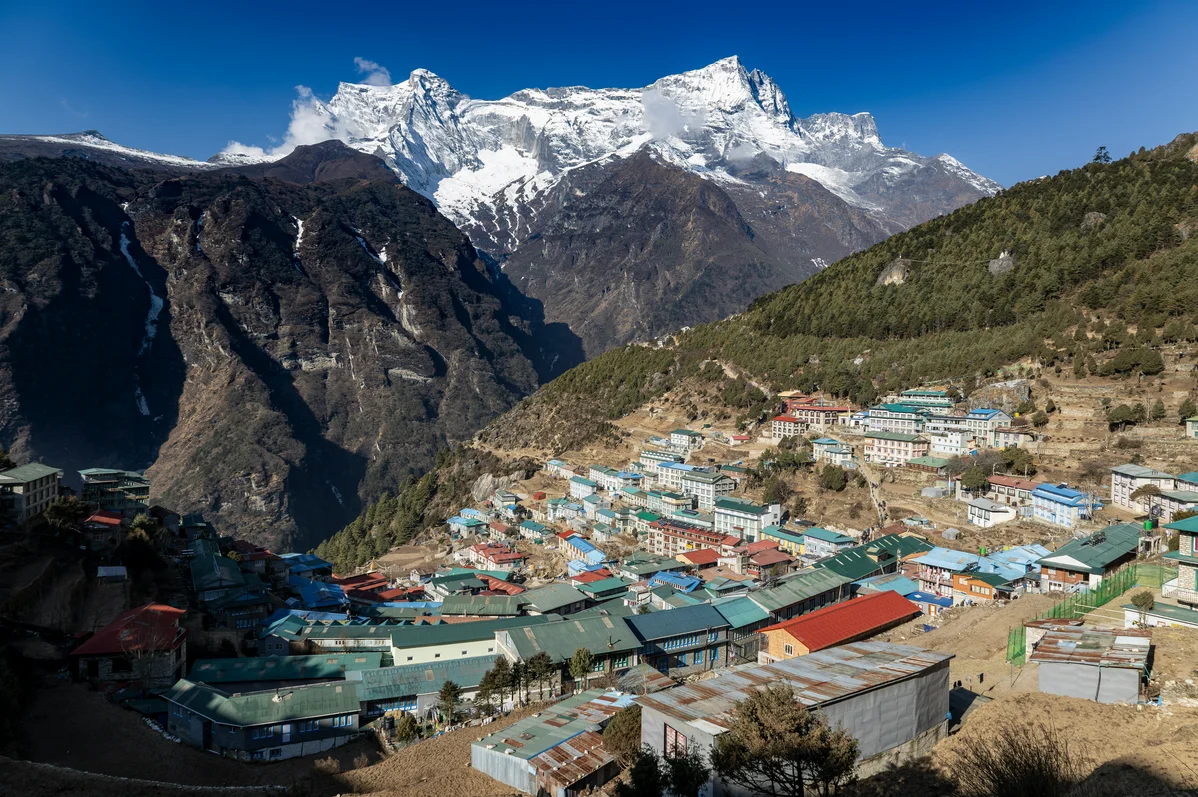
5. The Balance of Risk and Reward
The balance of risk and reward is a constant theme in the lives of those working at Everest Base Camp. The potential for a life-changing income often outweighs the dangers involved. With the possibility of earning $2,000 in just three months, many Sherpas view this work as an opportunity for advancement. However, the risks are real and should not be ignored. The history of staff deaths and injuries serves as a reminder of the harsh realities of high-altitude work. Many Sherpas also face pressure from families who have lost loved ones to climbing accidents. This pressure can lead to a complex emotional situation. The desire for financial gain competes with the instinct for self-preservation. Ultimately, many Sherpas choose to work at Base Camp despite the dangers. The combination of prestige, income, and family support drives them to accept the risks. This decision reflects a broader cultural understanding of the value of hard work and the rewards it can bring.Final Thoughts
- Research local job options by next week: Look for positions that pay around $500 annually to understand the local economy.
- Apply for Base Camp jobs this season: Aim for roles that could earn you up to $2,000 over three months.
- Connect with local Sherpas immediately: Seek advice to understand the dangers and preparations for working at Everest Base Camp.
Frequently Asked Questions
What are the main dangers of working at Everest Base Camp?
Working at Everest Base Camp poses significant dangers, including altitude sickness and severe weather. In the last decade, there have been 42 reported staff deaths due to these hazards. This data comes from the Himalayan Database, which tracks incidents in the region. The risks arise from the extreme altitude and unpredictable weather conditions. These dangers affect both staff and climbers who frequent the area. Therefore, understanding these risks is essential for anyone considering this line of work.
How much do Sherpas earn during Everest season?
Sherpas can earn substantial income during the Everest climbing season, often reaching about $2,000 for three months of work. This figure is significantly higher than the average local salary of $500 per year. Reports from local economic studies highlight this income disparity. The seasonal work allows Sherpas to support their families and improve their livelihoods. This financial boost is key for many families in the Khumbu region. For those interested in this work, understanding the potential earnings is vital.
Why do Sherpas continue to work at Everest Base Camp despite the risks?
Despite the dangers, many Sherpas continue to work at Everest Base Camp due to the financial rewards and prestige. Reports show that Sherpas can earn four times the average local salary during the climbing season. The Himalayan Database documents the risks but also the opportunities available. The combination of income and tradition motivates many to accept these dangers. Families often depend on this income, making the work essential. Understanding this balance is key for anyone considering this profession. For background context, see Everest base camps on Wikipedia.