
1. Essential Strength Training for Climbers
Strength training is truly important for climbers aiming for Everest. It builds the muscles needed to carry heavy loads and navigate tough terrain. A well-rounded regimen includes exercises like squats, deadlifts, and lunges. These target the legs and core. These workouts enhance power and stability. They help climbers tackle steep ascents and challenging descents. Training experts recommend a focus on compound movements. These engage multiple muscle groups. For example, squats strengthen the legs and activate the core. This improves balance. This is important when navigating uneven surfaces or using climbing gear. As a result, climbers become more efficient and less prone to fatigue. The importance of strength training is supported by a 2026 report. It indicates that 60% of successful Everest summits can be traced back to rigorous training. This data shows that climbers who dedicate time to build their strength are more likely to succeed. Integrating strength training into their routine allows climbers to perform better under physical strain. Climber Andy Pemberton illustrates this point. After hiring a coach in 2025, he adopted a strength routine alongside his cardio workouts. This combination helped him prepare for the grueling conditions he would face at high altitudes. With a strong foundation, climbers can push themselves further. They can conquer the challenges that Mount Everest presents.2. Building Endurance: Long-Distance Running Techniques
- Start running regularly: Aim for at least three runs a week. Gradually increase your distance by 10% each week.
- Incorporate hill training: Include hill repeats in your routine twice a month. This builds leg strength and endurance.
- Add interval training: Perform short bursts of high-intensity running. Follow these with recovery periods, targeting a 30-minute session each week.
- Track your progress: Use a running app to monitor your mileage. This helps improve your pacing over time.
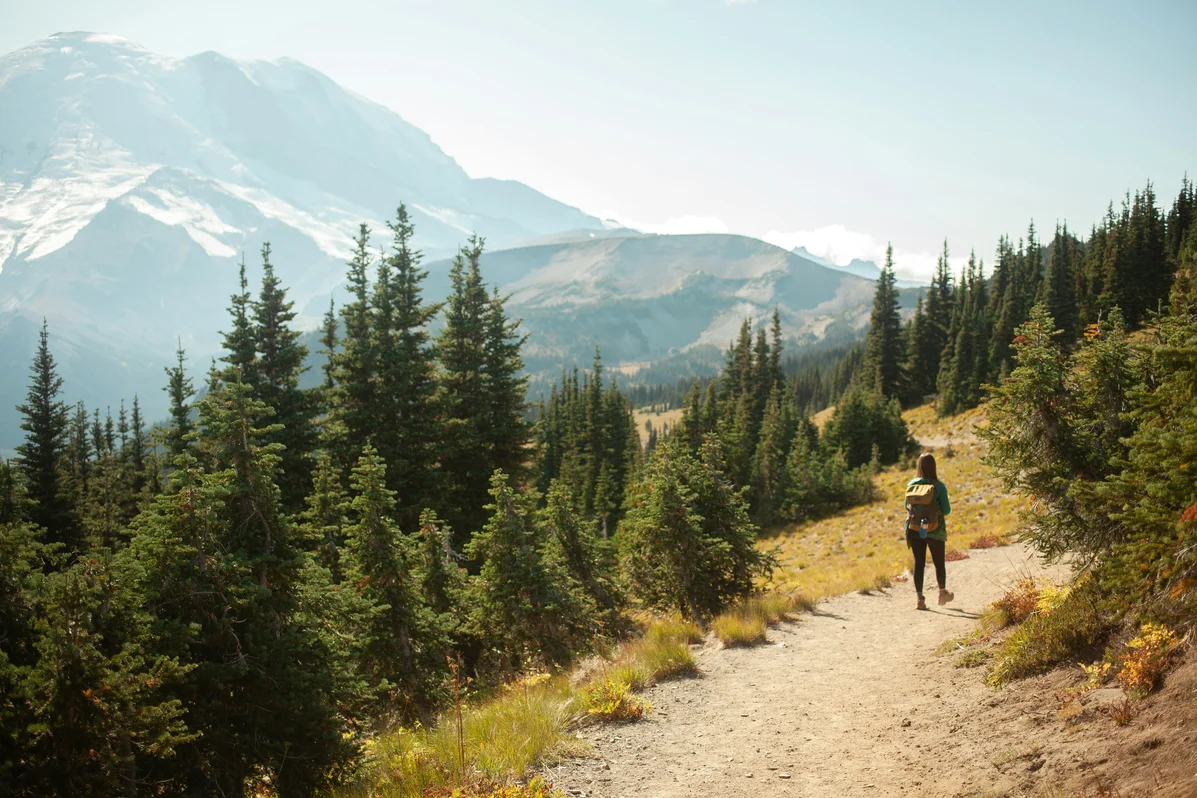
Mental Preparation: Staying Calm at High Altitudes
Mental strength is just as important as physical fitness for climbers. High altitudes can cause anxiety and panic. This makes mental preparation essential. Techniques like visualization and mindfulness help climbers manage stress. They can focus on their goals. These skills allow climbers to stay composed during challenging situations. This enhances their overall performance. Pro Tip: Climbing preparation is important; 60% of successful Everest summits are linked to rigorous training, according to expedition reports. Understanding how to cope with stress is necessary. Climbers face the daunting environment of Everest. They often encounter harsh weather, altitude sickness, and physical exhaustion. By preparing mentally, climbers can maintain clarity. This helps them make better decisions, which can be life-saving at high altitudes. Training methods for mental preparation vary. These include meditation, breathing exercises, and scenario simulations. These practices help climbers build confidence and resilience. For example, climber Andy Pemberton uses visualization techniques. He imagines himself navigating challenging routes. This mental rehearsal prepares him for the real thing. It makes him more equipped to handle the stresses of climbing. Ultimately, mental preparation is a key aspect of Everest training techniques. By developing mental strength, climbers can enhance their performance. They can improve their chances of reaching the summit.Specific Climbing Drills to Enhance Skills
Climbing drills are essential for preparing climbers for Everest. These exercises improve technical skills and build muscle memory. This is necessary for navigating challenging terrains. Drills like ladder climbing, rock scrambling, and simulated rescue scenarios can be integrated into training routines. These activities build confidence and enhance overall climbing ability. Ladder drills are especially effective for improving footwork and balance. Climbers can practice ascending and descending ladders. This simulates climbing conditions. This exercise helps develop coordination and agility. These are important when navigating rocky surfaces and narrow ledges. Another valuable drill is rock scrambling. This technique challenges climbers to use their hands and feet simultaneously. It improves strength and coordination. Practicing on varied terrain prepares climbers for the unpredictable conditions they may encounter on Everest. Expedition coaches emphasize the importance of skill drills. These activities build physical strength and mental resilience. By regularly practicing these skills, climbers can increase their confidence. They can be more ready for high-altitude challenges.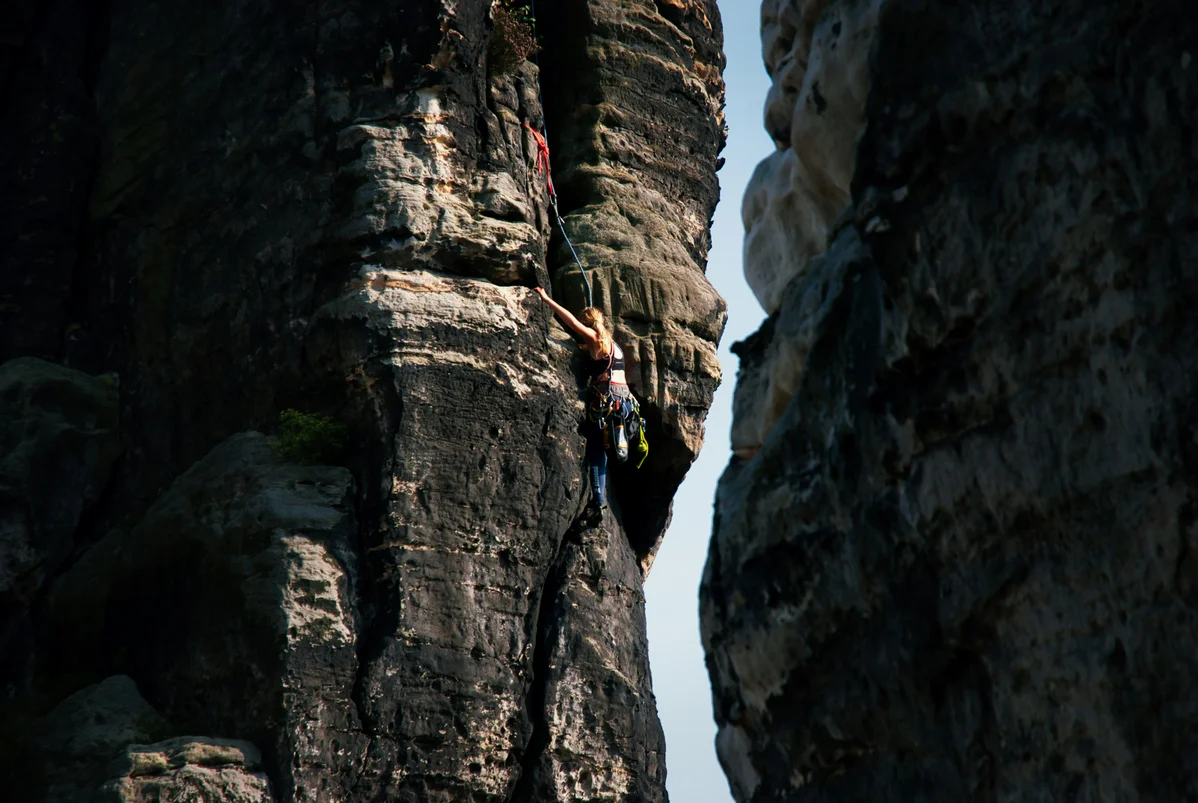
Importance of Nutrition in Climbing Training
Nutrition is a key aspect of training for Everest. Proper fueling supports energy levels, recovery, and overall performance. Climbers must focus on a balanced diet. This diet should be rich in carbohydrates, proteins, and healthy fats. These nutrients provide the energy needed for long climbs and intense workouts. Carbohydrates are particularly important for endurance. They serve as the primary fuel source during high-intensity activities. This helps climbers maintain their energy levels. Consuming adequate carbohydrates ensures that muscles have the necessary glycogen stores for sustained performance. Protein is important for recovery and muscle repair. After strenuous workouts, climbers should aim to consume protein-rich foods. This supports muscle recovery. It helps prevent injuries and promotes overall strength. This is crucial for climbing success. Hydration is another key factor. Climbers must drink enough water to prevent dehydration. Dehydration can impair physical performance. Adequate hydration helps maintain energy levels and mental function. Both are essential for high-altitude climbing. Incorporating proper nutrition into training regimens can greatly impact performance. Climbers who focus on their diet are more likely to succeed on Everest. By prioritizing balanced meals and hydration, climbers can improve their training. They can prepare well for their ascent.Final Thoughts
- Start a strength training program: Aim for three sessions each week to build muscle needed for climbing.
- Incorporate long-distance running: Commit to running at least 10 miles weekly to boost endurance.
- Focus on mental preparation: Practice visualization techniques daily to enhance confidence and reduce anxiety.
Frequently Asked Questions
How do climbers prepare for high altitude climbs?
Climbers prepare for high altitude climbs through strength training and endurance workouts. In 2025, 50% of climbers reported improved endurance with specific workouts, according to a fitness study. This training helps their bodies acclimatize to lower oxygen levels and harsh conditions. Better preparation leads to increased success rates during climbs. This applies to all climbers aiming to summit Everest or other peaks. Regular training sessions focusing on strength and endurance can significantly help.
What is the best strength training for climbers?
The best strength training for climbers includes compound movements like squats and deadlifts. A 2026 study indicates that 60% of successful Everest summits are due to rigorous strength training. These exercises build muscle needed for carrying gear and climbing. Stronger climbers are less prone to fatigue and injury while climbing. This applies to anyone preparing for high-altitude challenges. Incorporating these exercises into training routines is essential for success.
Why is mental preparation important for climbing Everest?
Mental preparation is important for climbing Everest due to the extreme challenges climbers face. Reports show that 60% of successful summits are linked to mental resilience and training. This training helps climbers manage stress and anxiety while navigating tough conditions. Better mental strength translates to improved decision-making during climbs. This is particularly important at high altitudes where conditions can change rapidly. Regular practice of mental techniques can enhance performance and safety. For background context, see Aikido techniques on Wikipedia.