
1. Importance of Nutrition for Muscle Recovery
Nutrition is crucial for muscle recovery after exercise. During workouts, muscles endure stress and experience micro-tears. This leads to soreness. Consuming the right foods helps your body repair these tears. It also builds stronger muscles. For those who have recently returned to exercising, understanding nutrition can make a big difference in recovery time. Research shows that muscle soreness is common among those reintroducing exercise into their routines. This soreness, known as delayed-onset muscle soreness (DOMS), can hinder movement and motivation. To combat this, nutrition becomes important. Foods rich in protein and carbohydrates are essential for good recovery. They not only help alleviate soreness but also boost energy levels for the next workout. Incorporating nutrient-dense foods into your diet can greatly impact recovery speed. By focusing on foods that provide essential amino acids and carbohydrates, you signal your body to begin the restoration process. This can lead to improved performance and overall well-being. It makes your fitness routine more effective and enjoyable.2. Key Nutrients for Recovery: Protein and Carbs
Protein and carbohydrates are critical for muscle recovery. Protein provides the amino acids necessary for repairing muscle fibers. According to Amy Stephens, a sports nutrition consultant, aiming for 20-30 grams of protein within 30 minutes post-workout enhances recovery speed. This specific intake helps kickstart the muscle repair process well. Pro Tip: Incorporating 20-30 grams of protein within 30 minutes post-workout can enhance recovery speed, according to nutrition experts. Carbohydrates also play a crucial role in recovery. They replenish glycogen stores that are depleted during exercise. Tyler McDonald, a certified personal trainer, emphasizes that carbs trigger insulin release. This helps transport protein to muscles. This process is vital for muscle repair. It ensures that the nutrients reach their intended targets quickly. A balanced post-workout meal should ideally consist of a three-to-one ratio of carbs to protein. For instance, if you consume 20 grams of protein, aim for around 60 grams of carbohydrates. Including healthy fats in your meal can further support recovery. This nutrient combination helps combat fatigue. It aids in getting back to peak performance levels sooner.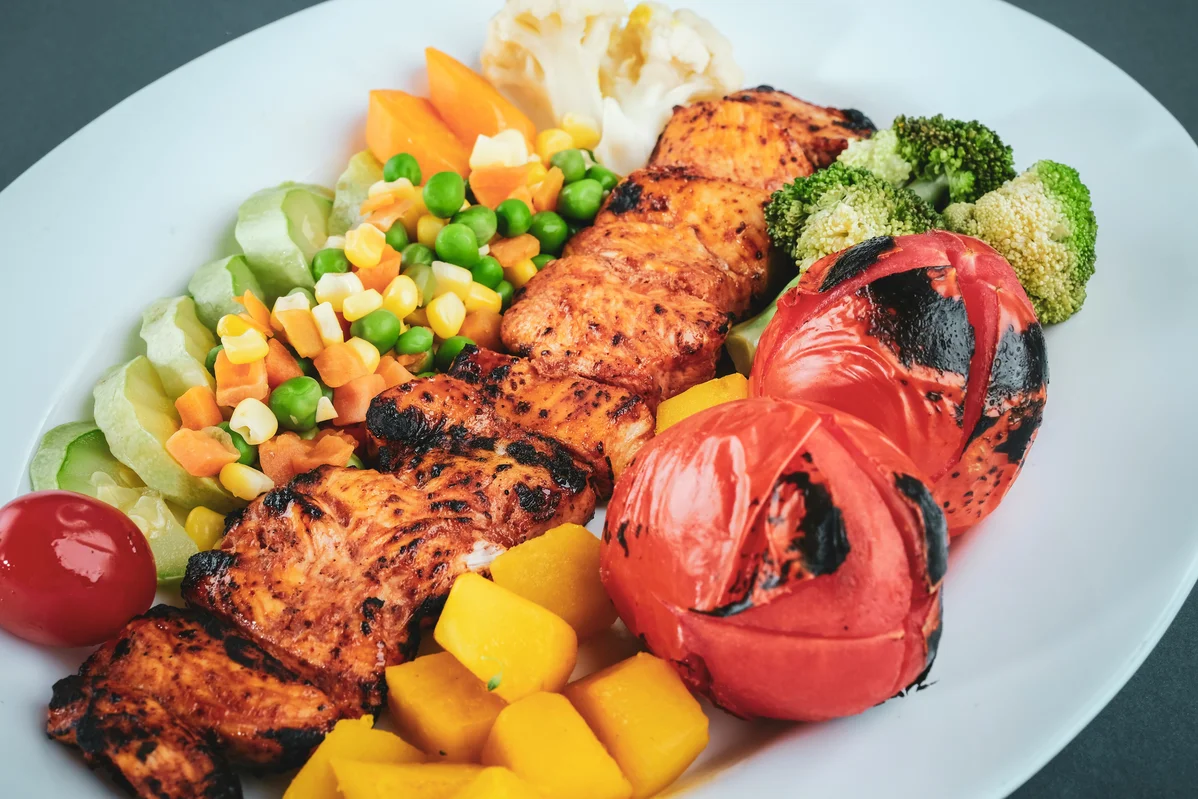
3. Top 7 Foods to Aid Muscle Recovery
Here are seven foods that can help speed up muscle recovery after a workout:4. How to Incorporate These Foods into Your Diet
- Plan your meals: Schedule your meals around your workout times. This ensures you eat within the optimal recovery window.
- Prepare snacks: Have protein-rich snacks like Greek yogurt or protein bars ready for immediate consumption after workouts.
- Mix and match: Combine different foods for variety. For instance, make a smoothie with yogurt, berries, and a banana.
- Cook in batches: Prepare meals in advance, such as quinoa salads or baked salmon. This saves time during busy days.
- Adjust portions: Tailor your portions to your workout intensity. More intense sessions may require larger meals for optimal recovery.

5. Additional Tips for Faster Recovery
Besides specific foods, other practices can enhance muscle recovery. Staying hydrated is essential. Water helps transport nutrients to cells and flush out toxins. Aim for at least 16-24 ounces of water after a workout to aid recovery. Rest is equally important. Allowing your muscles time to recover is crucial for growth and strength. Incorporate rest days into your workout schedule to prevent overtraining. Aim for at least one full rest day per week. This gives your body time to heal. Stretching and foam rolling can also alleviate muscle tightness and soreness. Gentle stretching post-workout helps maintain flexibility. Foam rolling can release muscle tension and improve blood flow. This aids recovery. Lastly, consider incorporating anti-inflammatory foods like turmeric and ginger into your diet. These can help reduce inflammation and promote faster recovery. By combining these practices with the right foods, you can improve your recovery process. You will enhance overall performance.Final Thoughts
- Prepare a post-workout meal with 20-30 grams of protein: Use eggs, yogurt, or salmon within 30 minutes post-exercise for effective recovery.
- Include carbohydrate-rich foods: Pair protein with carbs like toast or quinoa to maximize recovery benefits.
- Stay hydrated: Drink at least 16-24 ounces of water after workouts to support muscle recovery.
Frequently Asked Questions
How do protein and carbs aid muscle recovery?
Protein and carbohydrates are essential for muscle recovery after exercise. Protein provides the amino acids needed for muscle repair, while carbohydrates replenish glycogen stores. A 2023 study by Amy Stephens emphasizes that 20-30 grams of protein post-workout enhances recovery. Carbs trigger insulin release, aiding nutrient transport to muscles. This process is vital for those experiencing muscle soreness. Incorporating both nutrients in meals can significantly improve recovery.
What are the best foods for muscle recovery?
The best foods for muscle recovery include eggs, yogurt, and bananas. These foods provide essential proteins and carbohydrates necessary for muscle repair. Nutrition expert Tyler McDonald highlights that a combination of protein and carbs is crucial. Foods like quinoa and salmon also contribute to reducing inflammation. This is important for individuals returning to exercise after a break. Including these foods in your diet can enhance recovery speed.
When should I eat after a workout for recovery?
Eating after a workout is crucial for muscle recovery. Aim to consume food within 30 minutes post-exercise for optimal results. According to Amy Stephens, 20-30 grams of protein is ideal during this time. This intake helps initiate the recovery process effectively. This applies particularly to those experiencing soreness after workouts. Have a protein-rich snack ready to consume immediately after your training session. For background context, see Delayed onset muscle soreness on Wikipedia.