
1. What Makes Geoparks Unique?
Geoparks are distinct because they combine geological significance with cultural heritage. Each geopark tells a story about the Earth's history and the people who live there. For example, they might feature ancient volcanoes, fossil sites, or unique rock formations. These reveal millions of years of geological change. The UNESCO designation ensures that these parks are managed sustainably. This balances conservation with local community involvement. Local communities play a vital role in geoparks. They are not just visitors but active participants in preserving and sharing their heritage. This collaboration helps educate hikers about the cultural significance of the area. In many geoparks, indigenous stories and practices are woven into the hiking experiences. This provides a deeper understanding of the area’s history and its natural wonders. The integration of education and adventure makes geoparks appealing to hikers who want more than just scenic views. They offer a chance to learn about the environment and the people who have lived in harmony with it for generations. This connection enriches the hiking experience. It makes it more meaningful and memorable. Geoparks are notable for their unique combination of geological features and cultural narratives. They provide hikers with an enriching experience that goes beyond typical outdoor activities.2. Top Geoparks to Explore Globally
Some of the top geoparks for hiking include the Cliffs of Moher in Ireland and the Zhangjiajie Geopark in China. The Cliffs of Moher offer breathtaking views and unique geological formations shaped by the Atlantic Ocean. In contrast, Zhangjiajie is famous for its towering pillars. These inspired the floating mountains in the movie "Avatar." These locations provide stunning scenery and educational opportunities about their geological and cultural significance. Pro Tip: Exploring a geopark can offer hikers unique geological phenomena and indigenous stories. There are 229 UNESCO sites available worldwide for adventure seekers. Another remarkable geopark is the Tsingy de Bemaraha in Madagascar. Known for its sharp limestone formations, this park features challenging trails. These reward hikers with stunning views and a chance to see unique wildlife. The combination of rugged terrain and rich biodiversity makes it a must-visit for adventurous hikers. Finally, the Geopark of the Dolomites in Italy combines stunning mountain scenery with rich cultural history. Hikers can explore trails that lead to ancient rock formations. They can also enjoy local cuisine and traditions in nearby villages. These geoparks provide excellent hiking and an immersive cultural experience. Overall, these geoparks offer diverse settings and cultural insights. They make exceptional destinations for hiking enthusiasts.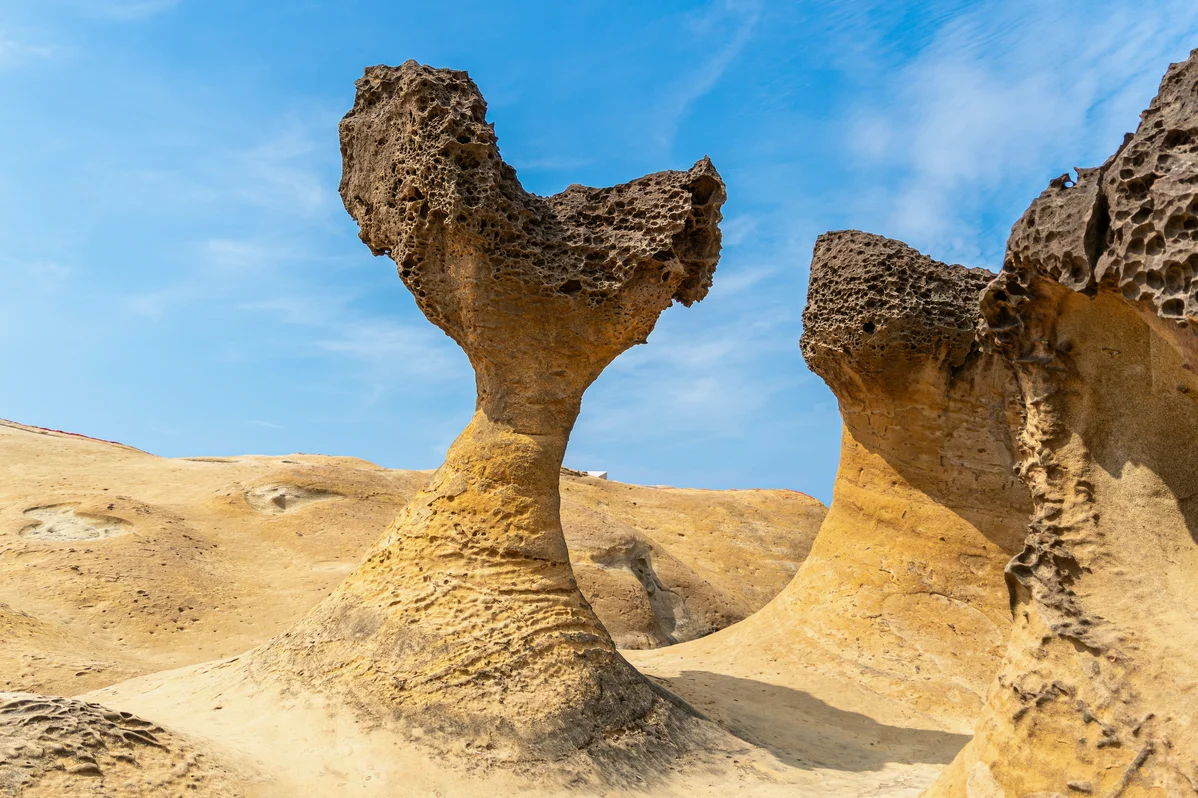
3. The Connection Between Geoparks and Local Culture
The relationship between geoparks and local culture is basic to their identity. Geoparks are designed to be living laboratories where community involvement is essential. Local residents share their stories and knowledge. This enriches the experience for visitors. This connection helps preserve traditions and promotes sustainable tourism. For instance, in the Geopark of the Vulkaneifel in Germany, local guides lead hikes. They emphasize the region's volcanic history and its impact on the community. Visitors learn about the geological processes. They also learn how these features have shaped local customs and livelihoods. This storytelling aspect sets geoparks apart from standard hiking experiences. Geoparks often host cultural events that highlight local traditions, crafts, and food. These gatherings allow hikers to engage with the community. They gain a deeper appreciation for the area's heritage. Such events create a sense of belonging and connection. This makes the hiking experience more enriching. Geoparks serve as vital links between the land and its people. This integration of culture and nature enhances the hiking experience. It offers insights that traditional parks may not provide.4. Hiking Trails in Geoparks You Can't Miss
- Select a geopark: Choose from one of the 229 UNESCO Global Geoparks that interest you.
- Research trails: Look up specific hiking trails within the geopark that match your skill level and interests.
- Pack essentials: Gather necessary gear, including water, snacks, and a map, before heading out.
- Plan your visit: Aim to visit during off-peak seasons for a more intimate experience with nature and culture.
- Engage with locals: Take guided tours or attend community events to deepen your understanding of the area.
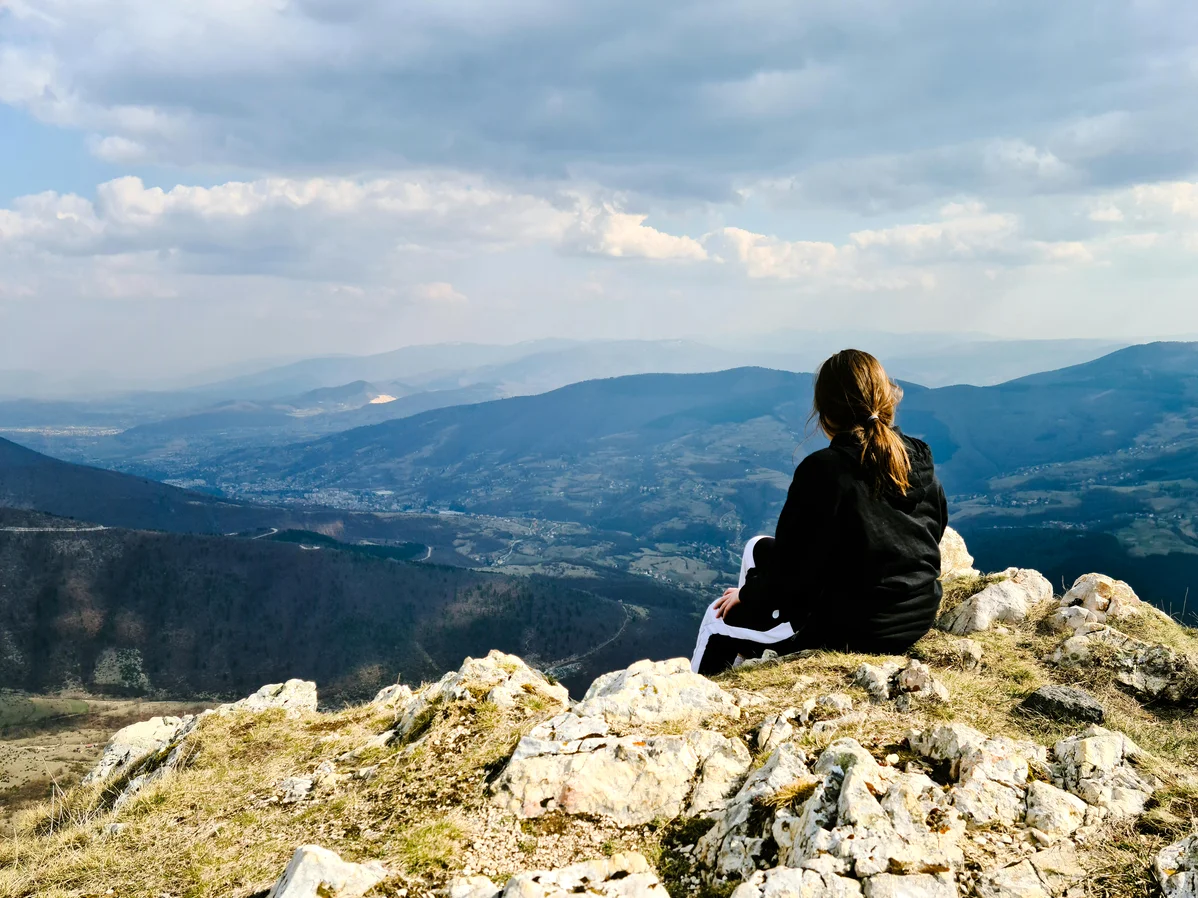
5. How to Plan Your Visit to a Geopark
Planning a visit to a geopark involves a few key steps to ensure a fulfilling experience. Choose the geopark you want to visit. Consider factors like accessibility, available trails, and cultural events happening during your trip. This can help you find the best time to go and what to expect. Next, check the geopark's official website for maps and information on guided tours. Many geoparks offer educational programs led by local experts. These can provide valuable insights into the geological features and cultural history of the area. Participating in a guided hike can enhance your understanding and appreciation of the park. Prepare for your visit by packing appropriate gear. Make sure to bring water, snacks, and a first aid kit. Some trails may be remote. It's also wise to wear sturdy footwear and dress for the weather conditions. Consider staying in nearby accommodations that support sustainable tourism. Many local businesses in geopark areas are committed to preserving the environment and promoting local culture. This ensures your visit supports the community while you enjoy the breathtaking landscapes.Final Thoughts
- Research a geopark to visit this month: Look up the nearest UNESCO Global Geopark and explore its trails and features.
- Engage with local communities: Schedule a guided tour or attend a cultural event during your visit to enhance your experience.
- Prepare your hiking gear: Pack essentials like water, snacks, and maps before heading out on your adventure.
Frequently Asked Questions
What are geoparks and why are they important?
Geoparks are designated areas that highlight geological heritage. There are 229 UNESCO Global Geoparks worldwide, showcasing unique geological features. According to UNESCO, these parks incorporate both geological education and sustainable tourism. They protect landscapes while promoting community involvement. This benefits both visitors and local cultures. You can visit a geopark to experience its natural and cultural richness firsthand.
How do geoparks differ from national parks?
Geoparks focus on geological education and cultural connections, unlike national parks that prioritize preservation. Each geopark must demonstrate active community involvement, with 229 sites worldwide. UNESCO established this distinction to promote sustainable tourism. Geoparks encourage locals to share their stories and histories. This enhances the visitor experience compared to typical national parks. Consider visiting a geopark to experience these unique insights.
Can you hike in geoparks?
Yes, hiking is a primary activity in geoparks, which feature many trails. The 229 UNESCO Global Geoparks include diverse hiking options. These parks allow visitors to explore geological features and local cultures. Hiking in geoparks provides educational opportunities about the landscape. This is a great option for those seeking both adventure and knowledge. Plan a hike in a geopark to enjoy its unique offerings. For background context, see Hiking on Wikipedia.