
Step 1: Stop Shaving for Best Growth
- Stop shaving: Allow your beard to grow for at least four weeks. This gives hair time to fill in and blend.
- Resist trimming: Avoid trimming for the first six weeks. This prevents uneven spots from becoming more noticeable.
- Outline your beard: Clean up stray hairs on your cheeks and neck. This helps define your beard without shortening its length.
- Be patient: Commit to not shaving for two months if possible. This provides the best chance for full growth.
Step 2: Outline for Style During Growth
As your beard grows, establishing a style can help you feel more confident. Outlining your beard while it grows keeps it looking sharp and intentional. This means you can define your cheeks and neck areas without cutting the beard itself. Grooming experts recommend this approach to maintain a neat appearance during the awkward growth phase. Pro Tip: Patience is essential—allow your beard to grow for at least 4 weeks to see significant results, as advised by grooming experts. During this period, keep your beard clean and well-groomed. Use a soft beard comb to detangle any knots. This helps your beard grow in a more uniform way. Regularly combing your beard can also stimulate hair follicles, promoting better growth. As the hair gets longer, you'll notice it begins to fill in those patchy areas. Choosing a style for your beard is also important. Look for inspiration from various sources, including social media and grooming magazines. Experimenting with different styles can help you find what suits your face shape best. Some styles may require more maintenance than others.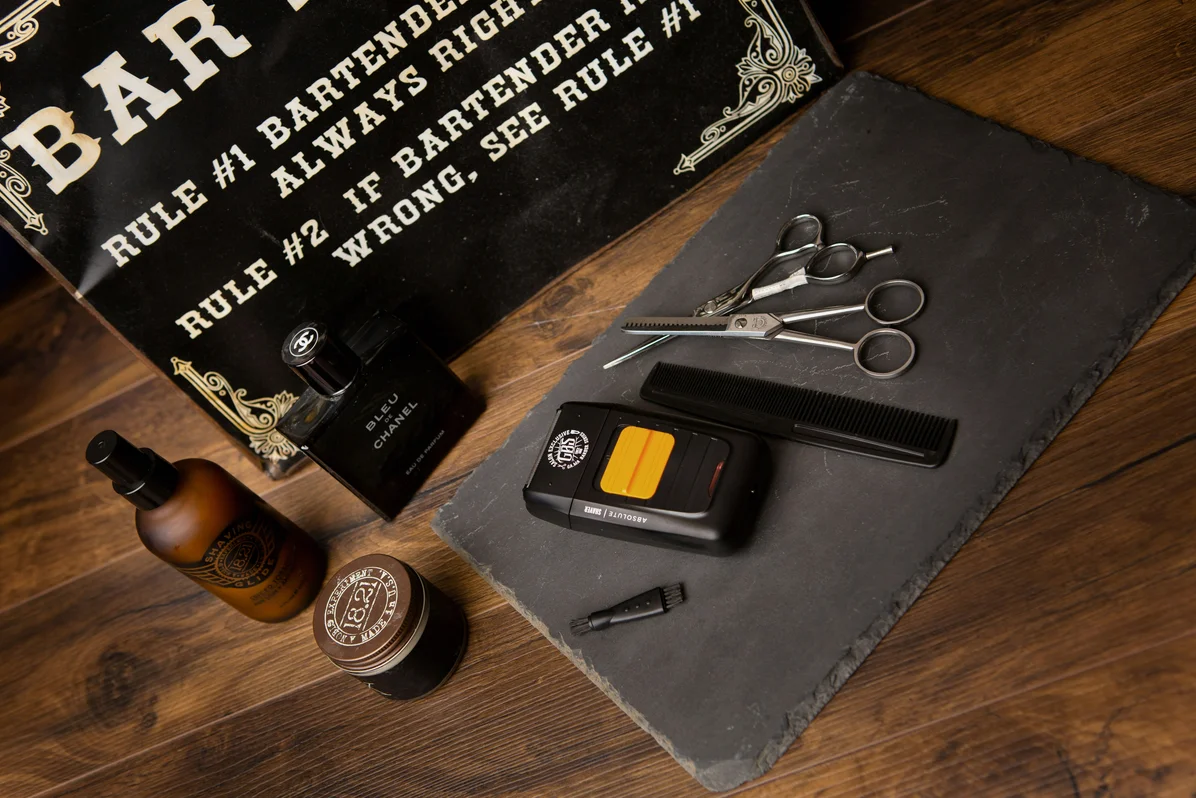
Step 3: Skincare for a Healthy Beard
Proper skincare is vital for growing a healthy beard. As your beard thickens, airflow to the skin can decrease, leading to dryness or irritation. To combat this, maintain your regular skincare routine. Use a gentle cleanser designed for facial hair, as it will keep both your skin and beard in good condition. Jake Murphy, a barber from Ruffians Covent Garden, emphasizes the importance of using beard-specific products. Regularly applying beard oil can help hydrate the hair and the skin underneath. Look for products with natural ingredients that nourish both your beard and skin. This routine promotes healthy growth and reduces itchiness during the early stages. Consider exfoliating your skin once a week. This helps remove dead skin cells and promotes better hair growth. A good scrub can prevent ingrown hairs, which are a common issue for men growing beards. Keeping your skin healthy is just as important as the hair itself. Finally, stay hydrated. Drinking plenty of water can improve your skin’s overall health. A well-hydrated body supports optimal hair growth and can result in a fuller, healthier beard.Common Mistakes When Growing a Beard
One of the biggest mistakes men make is not being patient. Many give up too soon, expecting instant results. It typically takes a few weeks for your beard to fill in and grow to its full potential. Recognizing that patchiness is often temporary can help you stay committed. Another mistake is over-trimming or shaping too early. While it’s essential to outline your beard, cutting too much can set you back. Allow your beard to grow for at least four weeks before making any significant cuts. This timeline ensures that you can see how your beard fills in before making decisions about its shape. Men also often neglect their skincare routine while growing a beard. Skipping moisturizers or cleansers can lead to dryness and irritation. In 2026, 50% of men reported better skin health when they actively maintained their skincare while growing facial hair. Incorporating a skincare routine can help prevent these issues and ensure a healthy beard. Lastly, diet is key. Poor nutrition can slow down hair growth. Eating a balanced diet rich in vitamins and minerals supports healthy hair. Ensure you’re consuming enough protein, vitamins A, C, and E, and minerals like zinc and iron for optimal beard growth.
Patience is Key in Beard Growth
Growing a beard is not just about following steps; it requires patience. The process can be frustrating, especially during the early stages when growth may seem slow. Many men experience a "beard itch" as the hair begins to grow, which can lead to premature shaving. Understanding that this phase is normal can help you push through. The average beard grows about half an inch per month. Visible results may take time, often around six to eight weeks, depending on genetics. Many men find that after the initial awkward phase, their beard begins to fill in and look fuller. Grooming experts suggest maintaining a positive mindset during this time. Engaging in activities like yoga or meditation can help manage stress, which is linked to hair loss. Stress can trigger conditions that lead to hair thinning, including telogen effluvium, a temporary form of hair loss affecting the entire body. Taking time to appreciate your progress can also help. Documenting your beard growth with photos can provide motivation as you see changes over time. Enjoy the journey, and know that a great beard requires dedication and care.Final Thoughts
- Commit to a two-month growth period: Allow your beard to grow without trimming for at least eight weeks to see full potential.
- Establish a regular skincare routine: Use a gentle cleanser and moisturizer to keep both your skin and beard healthy.
- Stay hydrated with water: Drink at least eight glasses of water daily to support optimal hair growth.
Frequently Asked Questions
How long does it take to grow a beard?
Beard growth typically takes about two months for noticeable results. About half an inch of growth occurs each month on average. You should expect to see significant changes within eight weeks. According to grooming experts, maintaining patience is vital during this time. Most men experience an awkward phase where patchiness is common. Keeping a positive mindset can help you through this transitional period.
What skincare should I use while growing a beard?
Using a gentle beard wash is essential for keeping your facial hair clean. About 50% of men report better skin health when using proper skincare during growth. This includes cleansers with hydrating ingredients like aloe vera and glycerin. These help to prevent dryness and irritation in the skin underneath. Men with sensitive skin should choose fragrance-free products to avoid irritation. Regular moisturizing can also support healthy beard growth.
Can genetics affect beard growth?
Genetics plays a significant role in determining beard growth patterns. Approximately 30% of men experience patchy beard growth due to their genetic makeup. This means some men may find it harder to grow a full beard. According to Jerrod Roberts, a celebrity groomer, understanding your genetic predisposition can help set realistic expectations. Those with family members who have thick beards may have better chances of achieving similar growth. Knowing this can help you feel more confident in your grooming journey. For background context, see Beard on Wikipedia.