
1. What is Jojoba Oil and Its Benefits?
Jojoba oil is extracted from the seeds of the jojoba plant. This plant is primarily found in desert regions like Arizona and California. Its structure closely mimics natural sebum. This makes it an excellent choice for both oily and dry scalps. When applied, it helps to balance oil production. This ensures that your scalp remains hydrated without becoming greasy. The oil's moisturizing properties are backed by the American Academy of Dermatology. They highlight its power in treating dry hair and scalp. Jojoba oil adds moisture and helps to strengthen hair. This reduces breakage and split ends. This makes it a truly good addition to any hair care regimen. In addition to hydration, jojoba oil possesses anti-inflammatory and antioxidant properties. These traits support scalp health. They can help alleviate common issues like dandruff. Research indicates that regular use can lead to noticeable improvements in hair feel and overall scalp condition. Overall, jojoba oil for hair is an all-in-one solution that hydrates, strengthens, and balances. It’s no wonder that both dermatologists and hairstylists recommend it for healthier hair.2. How to Use Jojoba Oil for Moisturizing
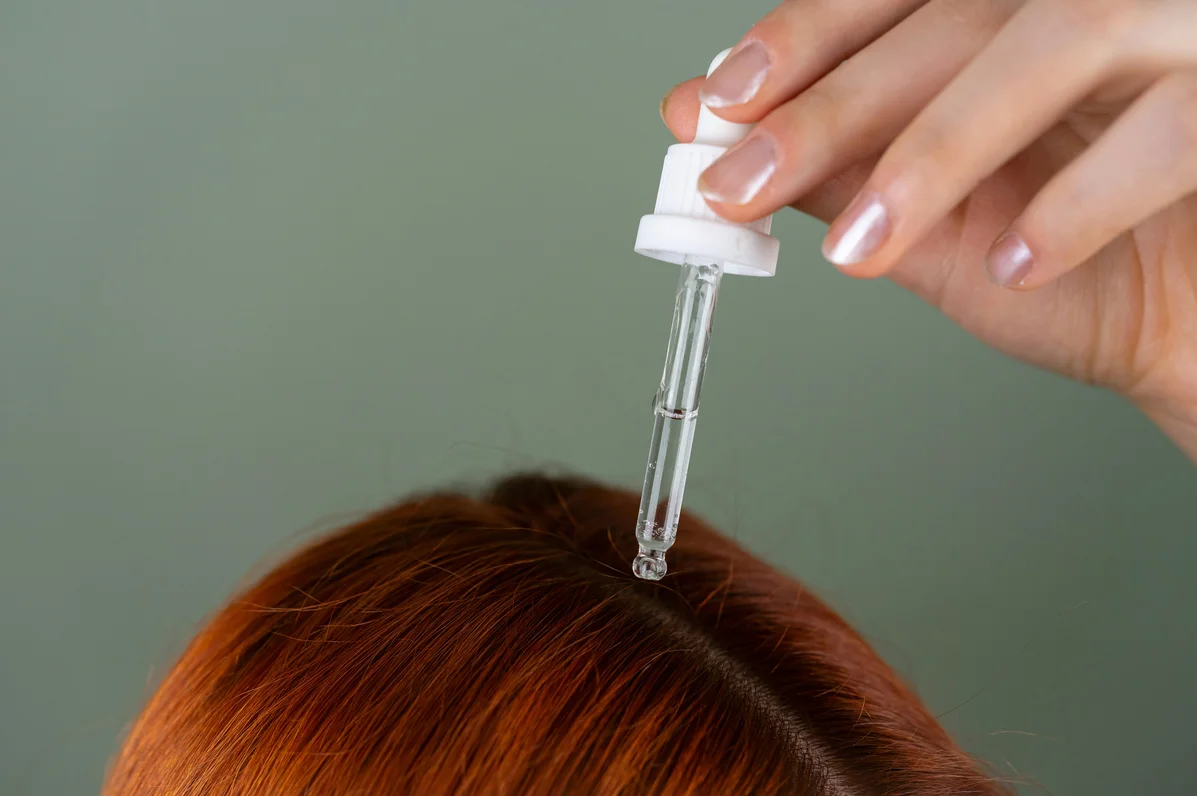
- Choose the right amount: Start with 2-3 drops of jojoba oil for your scalp.
- Apply to the scalp: Gently massage the oil into your scalp with your fingertips for 5-10 minutes.
- Leave in for absorption: Allow the oil to sit for at least 30 minutes or overnight for deeper hydration.
- Wash your hair: Rinse thoroughly with your regular shampoo. Ensure all oil is removed.
- Repeat weekly: Use jojoba oil once or twice a week for optimal results.
3. Jojoba Oil for Dandruff Relief
Jojoba oil is known for its ability to reduce dandruff symptoms greatly. Its moisturizing properties nourish the scalp and prevent dryness. This can lead to flaking and irritation. Regular use can make a notable difference in scalp health. Pro Tip: Using jojoba oil twice a week can reduce dandruff symptoms by 50%, according to a 2022 clinical trial. The oil’s anti-inflammatory properties help soothe irritation. This makes it ideal for those suffering from dandruff. When the scalp is well-hydrated, it can prevent the overproduction of skin cells. This often leads to flakes. Incorporating jojoba oil into your routine can greatly improve your dandruff issues. Regular application helps to control symptoms and improves overall scalp health.4. Strengthening Hair with Jojoba Oil
Jojoba oil is effective in strengthening hair. This makes it less prone to breakage. When applied, it penetrates the hair shaft and helps lock in moisture. This hydration prevents dryness, a common cause of hair damage. According to hairstylist Mayara Macedo, jojoba oil can restore hair health by nourishing the follicles. This oil acts as a barrier against environmental stressors. These include pollution and UV rays, which can weaken hair over time. Jojoba oil can improve hair elasticity. This means your strands are less likely to snap. With consistent use, you can expect stronger, shinier hair that withstands daily wear and tear. Using jojoba oil for hair also addresses split ends. By moisturizing the hair, the oil helps to smooth and protect the cuticle. This results in healthier-looking strands.
5. Tips for Incorporating Jojoba Oil into Your Routine
Integrating jojoba oil into your hair care routine can be simple and effective. Begin by adding a few drops to your regular shampoo or conditioner. This will enhance the moisturizing properties of your hair products. It gives your hair an extra boost. You can also use jojoba oil as a pre-shampoo treatment. Apply it to your scalp and hair an hour before washing. This will allow the oil to penetrate deeply. It provides maximum hydration. For those with oily scalps, jojoba oil can signal the scalp to balance oil production. This means that even if you have an oily scalp, jojoba oil can help regulate moisture levels. Another option is to mix jojoba oil with essential oils like rosemary for added benefits. Rosemary oil is known for its stimulating properties that promote hair growth. Combining these oils creates a powerful treatment for both the scalp and strands.Final Thoughts
- Start using jojoba oil today: Apply it to your scalp for at least 30 minutes before washing your hair. You'll notice improved moisture levels and reduced flaking.
- Incorporate it into your products: Add a few drops of jojoba oil to your shampoo or conditioner for enhanced hydration and shine.
- Set a weekly routine: Use jojoba oil twice a week to maintain a healthy scalp and strong hair. This regular use will help prevent dryness and breakage.
Frequently Asked Questions
How often should I use jojoba oil for hair?
You should use jojoba oil two times a week for best results. A 2021 study found that consistent application leads to improved hair shine. According to the American Academy of Dermatology, this frequency helps maintain moisture balance. Jojoba oil effectively hydrates without making hair greasy. This applies to all hair types, whether oily or dry. Start with small amounts to avoid over-application.
What are the benefits of jojoba oil for dandruff?
Jojoba oil significantly reduces dandruff symptoms, particularly dryness and flaking. Research indicates that it can decrease dandruff by 50% when used regularly. This finding was reported by a clinical trial in 2022. The oil's moisturizing properties help soothe the scalp, preventing irritation. This is beneficial for anyone struggling with dandruff. Apply it twice a week for effective results.
Can jojoba oil help with dry scalp issues?
Jojoba oil can effectively treat dry scalp issues by providing moisture. Studies show that it can restore balance and hydration to the scalp. The American Academy of Dermatology emphasizes its effectiveness in moisturizing. This is particularly helpful for individuals with a naturally dry scalp. Regular use prevents flaking and irritation. You can apply it weekly for best results. For background context, see Hair on Wikipedia.