
1. Why Kettlebell Training Is Effective
Kettlebell training is effective because it combines strength and cardio into one workout. This dual focus allows you to burn calories while building muscle. A study from the National Academy of Sports Medicine found a 30% improvement in core stability after just six weeks of kettlebell training (NASM, 2026). A strong core supports overall movement and performance. Kettlebells engage multiple muscle groups at once, making them time-efficient. Unlike traditional weightlifting, which often isolates muscles, kettlebell exercises require coordination and balance. This leads to better functional strength, which translates to everyday activities. The American Council on Exercise highlights that kettlebell workouts can improve overall athletic performance. Kettlebell exercises promote proper movement patterns. Learning to hinge at the hips or squat correctly is essential for preventing injuries. By mastering these techniques, beginners will establish a solid base for more advanced workouts in the future. As you progress, you'll notice how these foundational movements enhance your overall strength and fitness.2. Key Kettlebell Exercises to Start With
The key kettlebell exercises for beginners are the kettlebell swing, clean, and goblet squat. These movements target major muscle groups and improve coordination. The kettlebell swing works the posterior chain, especially the glutes and hamstrings, while the clean targets the shoulders and arms. The goblet squat emphasizes leg strength and core stability, making these exercises essential for beginners. Pro Tip: Kettlebell training can increase strength by 15% in just 8 weeks, according to the Journal of Strength and Conditioning Research (2026). To perform the kettlebell swing, stand with your feet shoulder-width apart, holding the kettlebell with both hands. Push your hips back while maintaining a slight bend in your knees. As you swing the kettlebell between your legs, focus on using your glutes to drive the weight upward. The kettlebell clean starts with a swing, followed by pulling the kettlebell up to your chest in one smooth motion. For the goblet squat, hold the kettlebell close to your chest and squat down, keeping your weight on your heels to engage your legs and glutes. Incorporating these kettlebell exercises into your routine will yield quick results, enhancing strength and overall fitness. By mastering these foundational movements, you'll prepare yourself for more complex exercises down the line.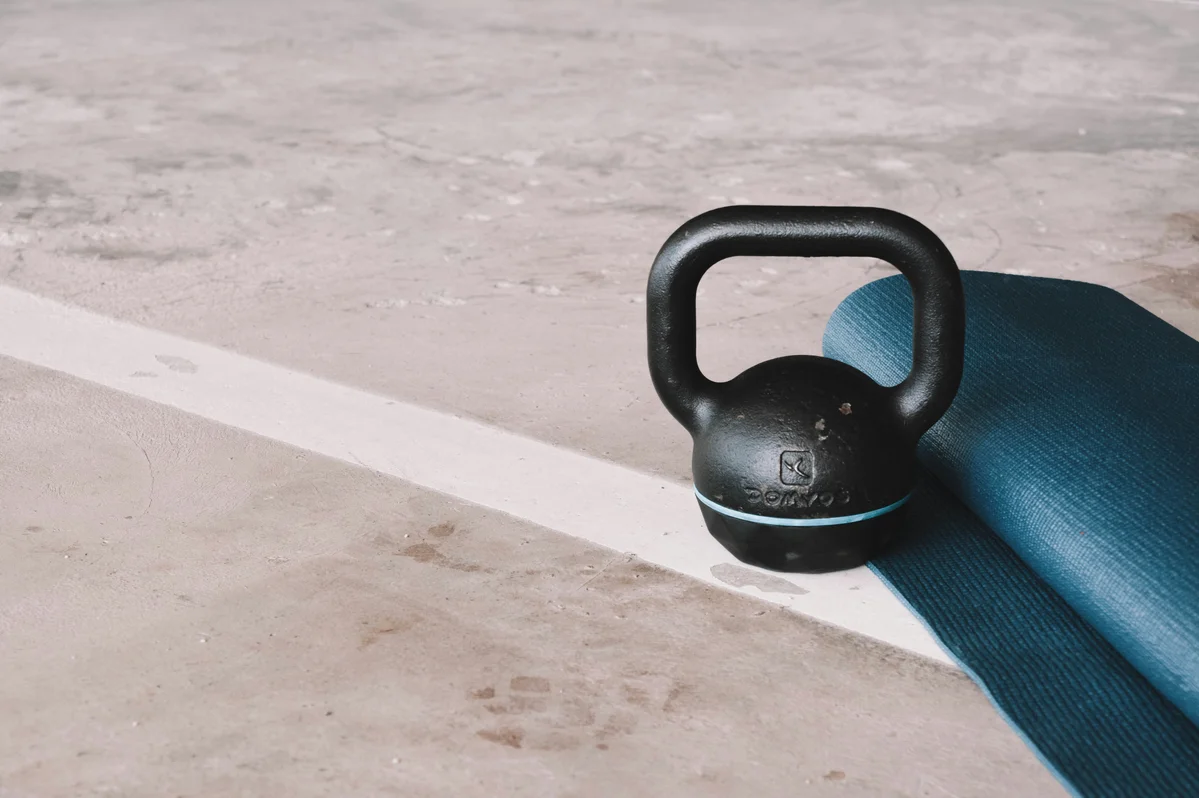
3. How to Perform the Kettlebell Swing Correctly
- Stand with feet shoulder-width apart: Hold the kettlebell with both hands, arms relaxed.
- Hinge at the hips: Push your butt back, bending your knees slightly, and lower your torso to grasp the kettlebell.
- Pull the kettlebell back: Explosively swing the kettlebell back between your legs, keeping your arms relaxed.
- Drive your hips forward: Stand up quickly, squeezing your glutes to drive the kettlebell forward.
- Let the kettlebell swing: As it reaches its apex, push your butt back again to repeat the motion.
- Repeat for 10-15 reps: Aim to do this in 45 seconds, resting for 15 seconds between sets.
4. Tips for Safe Kettlebell Training
Safety is key when starting kettlebell training. Beginners should focus on mastering proper form to prevent injuries. Start with a lighter weight to ensure you can perform each exercise correctly. As your strength improves, gradually increase the weight. This approach helps build a solid foundation without risking injury. Another important aspect is warming up before workouts. A good warm-up prepares your muscles and joints for the movements ahead. Dynamic stretches and light cardio can increase blood flow and flexibility. This reduces the chance of strains or sprains during kettlebell exercises. Listening to your body is also essential. If you feel pain or discomfort, stop and reassess your form. It's better to take a step back than to push through pain that could lead to injury. Finally, consider working with a trainer, especially at the beginning. They can provide guidance on form and help you develop a safe, effective training plan.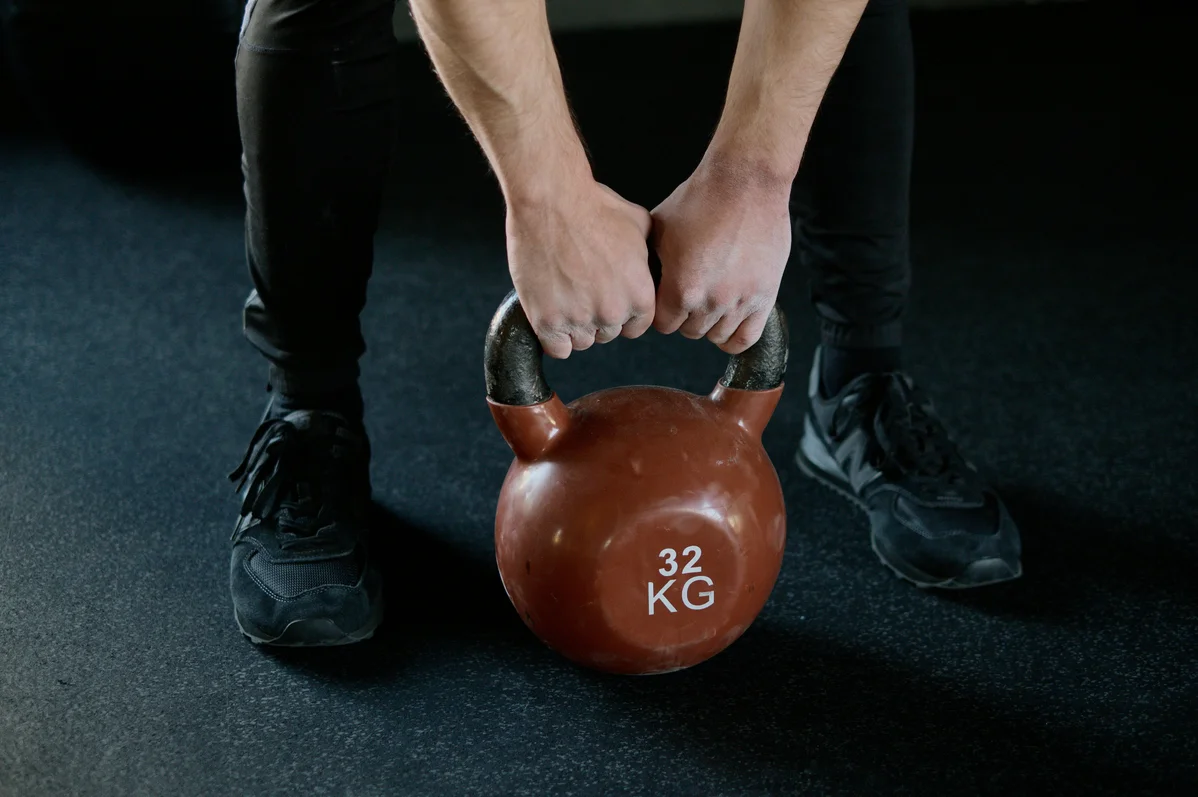
5. Progressing Your Kettlebell Workouts
Once you've mastered the fundamental kettlebell exercises, it's time to progress. Start by increasing the weight of your kettlebell. This simple change will challenge your muscles and promote growth. Aim to add weight every few weeks, depending on your comfort level and strength gains. Another way to progress is by increasing the number of sets and reps. For example, if you started with three sets of ten reps, try four sets of twelve. This gradual increase ensures your muscles are continually challenged. You can also incorporate more complex movements, like the kettlebell snatch or Turkish get-up, as you become more confident. Plus, consider varying your workout routine. Mixing up exercises keeps your workouts fresh and prevents plateaus. You can create a circuit that includes different kettlebell exercises, allowing for a more engaging workout. Keep track of your progress, and don't forget to celebrate your achievements along the way.Final Thoughts
- Assess your current strength level: Determine the right kettlebell weight to use for effective training.
- Practice proper form: Focus on mastering the kettlebell swing and clean to build a strong foundation.
- Track your progress: Increase weight or reps every few weeks to continually challenge your muscles.
Frequently Asked Questions
What are the benefits of kettlebell exercises?
Kettlebell exercises improve strength and endurance effectively. Research shows that kettlebell training can enhance strength by 15% in 8 weeks. The Journal of Strength and Conditioning Research published this finding in 2026. The combination of strength and cardio workouts promotes overall fitness. Beginners can benefit significantly from these workouts due to their efficiency. Start incorporating kettlebell exercises into your routine for rapid improvements.
How often should beginners do kettlebell workouts?
Beginners should aim for two to three kettlebell workouts per week. A 2026 report from the American Council on Exercise suggests this frequency for optimal results. Regular workouts help build strength and improve coordination. It’s essential to allow rest days for muscle recovery. This approach applies to anyone looking to enhance their fitness levels. Start with this frequency, adjusting as your strength increases.
Can kettlebell exercises help with weight loss?
Kettlebell exercises can aid in weight loss effectively. Research indicates that kettlebell workouts can burn up to 20 calories per minute. This finding comes from the National Academy of Sports Medicine in 2026. The combination of resistance and cardio training promotes fat loss. Individuals looking to lose weight can greatly benefit from kettlebell training. Incorporate kettlebell workouts into your routine for effective weight management. For background context, see Beginners on Wikipedia.