
1. What is the Kettlebell Swing?
The kettlebell swing is an exercise that involves swinging a kettlebell from between your legs to shoulder height. This exercise focuses on hip extension. Hip extension is the movement of straightening the hips after bending them. Proper kettlebell swing technique emphasizes the importance of the hips rather than the arms. The movement relies on explosive power generated from your lower body to lift the kettlebell. The kettlebell swing serves as a functional movement. It mimics actions such as running and jumping. This exercise is practical for athletes and good for anyone looking to improve their overall strength. Studies from the Journal of Strength and Conditioning Research in 2023 highlighted a 20% increase in explosive strength for those who practiced kettlebell swings regularly. Using kettlebells well can improve your athletic performance. It can also help you build a well-rounded fitness routine. Incorporating the kettlebell swing into your workouts allows you to develop both strength and endurance.2. Key Benefits of the Kettlebell Swing
Kettlebell swings offer numerous benefits that enhance your overall fitness. First, they improve cardiovascular fitness due to their high-intensity nature. Performing kettlebell swings elevates your heart rate. This helps you burn calories while strengthening your muscles. A study from the National Academy of Sports Medicine in 2023 found a 15% improvement in core stability for individuals practicing this exercise regularly. Pro Tip: Kettlebell swings can burn 20 calories per minute, making them one of the most efficient workouts, according to the Journal of Obesity (2023). Kettlebell swings enhance your grip strength and coordination. As you swing the kettlebell, your hands and arms engage in stabilizing the weight. This translates to better performance in other exercises. This exercise also targets multiple muscle groups, including the glutes, hamstrings, and core. It makes for an effective workout. Kettlebell swings can be easily modified to suit different fitness levels. You can adjust the weight of the kettlebell and the intensity of your swings to match your capabilities.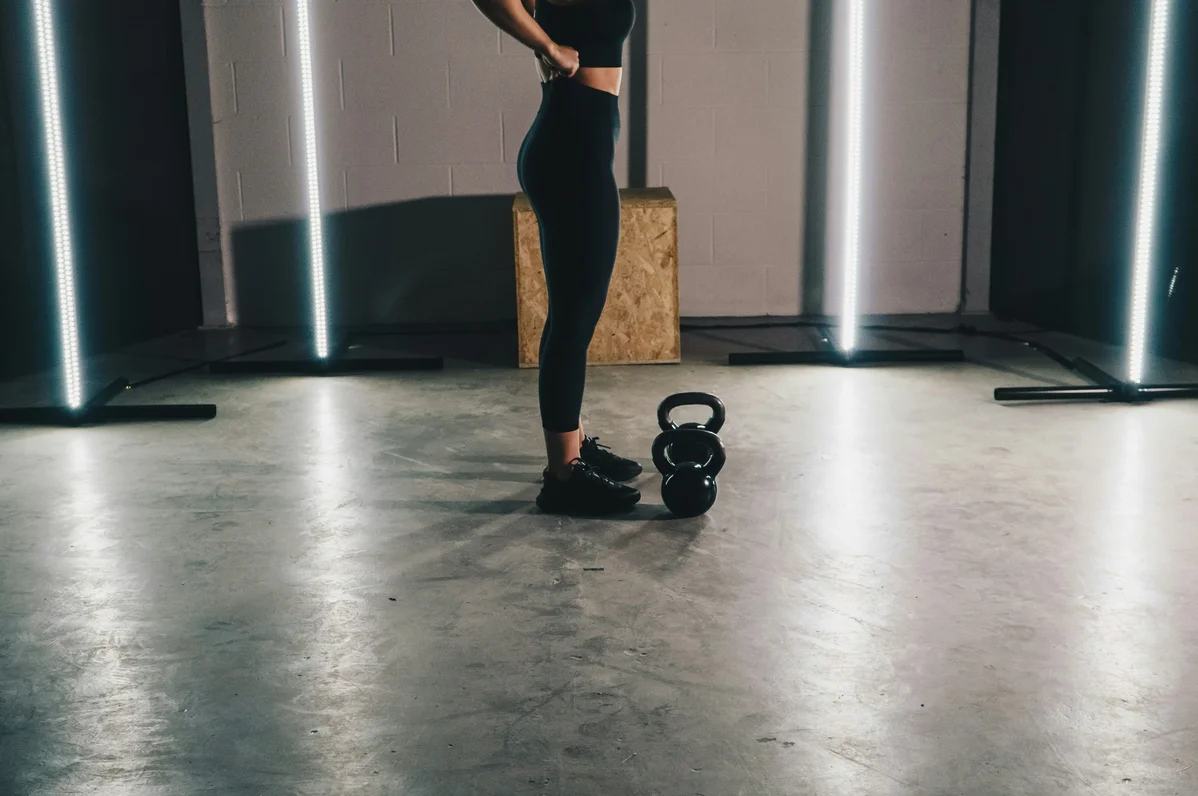
3. Step-by-Step Kettlebell Swing Technique
To master the kettlebell swing, follow this step-by-step technique. First, stand with your feet slightly wider than hip-width apart. Place the kettlebell on the floor in front of you. Next, push your hips back, bend your knees slightly, and grip the kettlebell handle with both hands. Once you have a firm grip, engage your core by squeezing your abdominal muscles. Hike the kettlebell back between your legs, keeping your arms straight. This motion prepares your body for the explosive swing. As you begin the swing, straighten your legs and thrust your hips forward. This thrust should lift the kettlebell upward. Remember to keep your arms relaxed. Let the momentum carry the kettlebell to shoulder height. Finally, allow the kettlebell to swing back down. Maintain control as it passes between your legs. Repeat this motion for the desired number of repetitions. By focusing on each step, you’ll ensure that your kettlebell swing technique is correct. This reduces the risk of injury while maximizing power.4. Common Mistakes to Avoid
- Avoid squatting instead of hinging: Focus on hip hinging rather than squatting. This helps activate your glutes well.
- Do not round your back: Keep your back straight throughout the movement. A rounded back can lead to injury.
- Control your swing height: Don’t swing the kettlebell to a target. The height should come from your hip drive, not your arms.
- Keep your grip relaxed: Don’t grip the kettlebell too tightly. Allow your arms to act as levers. This minimizes strain on your shoulders.
- Don’t skip warm-ups: Always warm up before kettlebell swings. A proper warm-up prepares your muscles and joints for the workout.
5. Variations of Kettlebell Swings
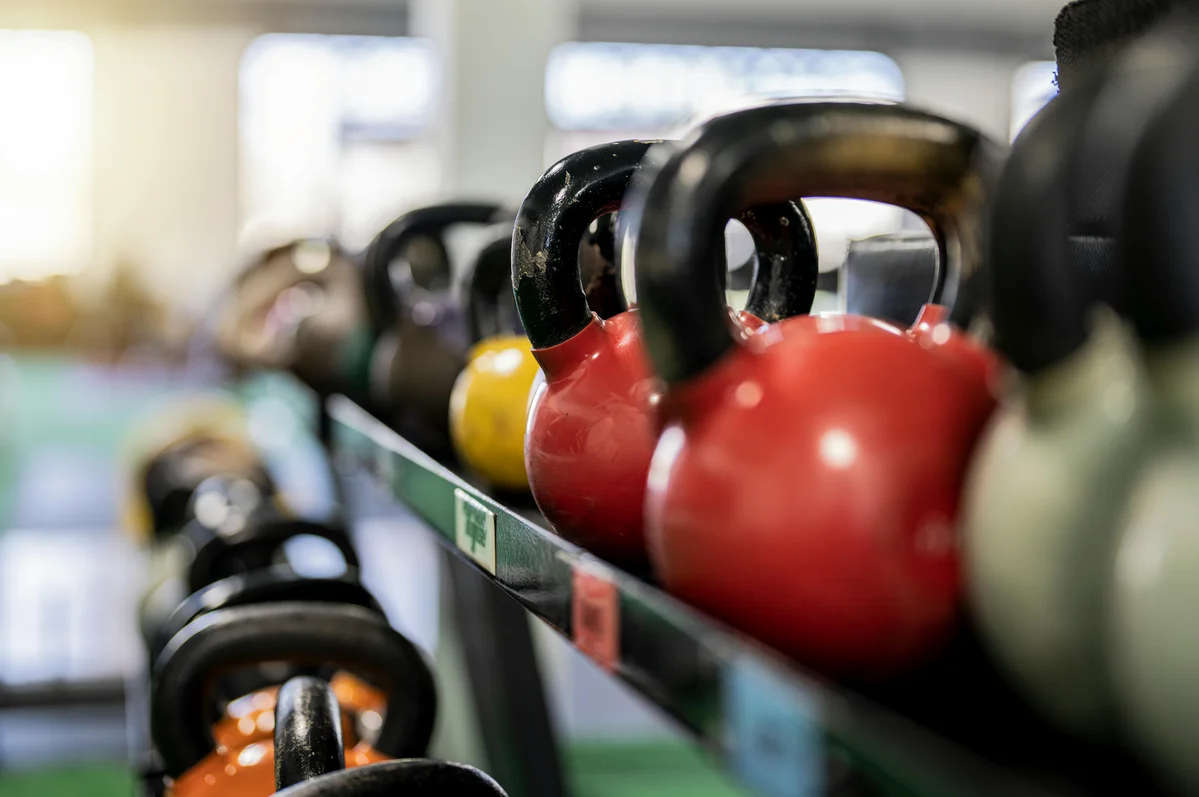
Once you master the basic kettlebell swing, you can explore various modifications to enhance your routine. One popular variation is the American kettlebell swing. In this variation, the kettlebell is swung overhead. This increases the intensity and requires greater shoulder mobility. Another option is the single-arm kettlebell swing. This challenges your core stability and coordination. By using one arm, you engage your stabilizer muscles. This offers a different workout experience. This variation also allows you to focus on form with each arm individually. You can also try the kettlebell swing with a pause at the top. This pause increases time under tension. It makes your muscles work harder and improves strength. Incorporating these variations into your workouts keeps your routine fresh. It also prevents plateaus. Lastly, consider using different weights for each variation. Heavier kettlebells promote strength. Lighter weights can enhance speed and endurance. Experimenting with various kettlebell swings will help you find the right balance for your fitness goals.Final Thoughts
- Practice your form regularly: Spend at least 10 minutes each workout focusing on your kettlebell swing technique to improve.
- Consider joining a class: Look for a local kettlebell class or online session to get expert feedback on your technique.
- Track your progress: Keep a log of your kettlebell workouts to monitor improvements in strength and endurance over time.
Frequently Asked Questions
What muscles does the kettlebell swing target?
The kettlebell swing primarily targets the glutes, hamstrings, and core muscles. Studies show that about 70% of the effort comes from the lower body. According to Men's Health, 2023, this exercise effectively engages multiple muscle groups simultaneously. The explosive hip extension enhances overall athletic performance and stability. Anyone looking to build strength and endurance can benefit from this exercise. Consider incorporating kettlebell swings into your routine for an effective workout.
How often should you practice kettlebell swings?
You should practice kettlebell swings at least 2-3 times a week for optimal benefits. A 2023 study from the National Academy of Sports Medicine recommends consistency for strength gains. Regular practice improves both technique and muscle engagement. Beginners may start with lighter weights, gradually increasing as they gain strength. This frequency helps build explosive power and overall fitness. Aim for 10-15 minutes of swings per session to see noticeable results.
Can kettlebell swings help with weight loss?
Kettlebell swings can significantly aid in weight loss when combined with a balanced diet. Research indicates that kettlebell workouts can burn up to 20 calories per minute. According to the Journal of Obesity, 2023, this makes them one of the most efficient exercises for burning calories. The high-intensity nature of swings elevates your heart rate, promoting fat loss. Anyone looking to lose weight should incorporate high-intensity workouts like kettlebell swings. Start with a manageable number of swings and gradually increase the intensity. For background context, see Swing bowling on Wikipedia.