
1. The Crowded Reality of National Parks in 2026
National parks face unprecedented crowds in 2026. Projections estimate over 1.5 billion visitors across the system. This number reflects a steady increase from the previous year. Parks reported record numbers in 2025. For instance, Yosemite alone saw record crowds in 2025. This strained its resources. The growing popularity of national parks has created a dilemma. Increased visitation leads to great challenges for both visitors and park management. Many parks are now using reservation systems and timed entry to manage the influx. These systems can create frustration among visitors. They may not be able to access the parks when they want. As a result, enjoying nature may become less accessible, especially during peak seasons. Park officials emphasize that without these measures, overcrowding could lead to serious consequences. These include habitat destruction and diminished visitor experiences. The impact of these crowds is felt in the parks themselves and in surrounding communities. Local businesses often rely on park traffic for revenue. This creates a dependency that complicates discussions about visitor management. Overcrowding can lead to increased pollution and infrastructure wear. This prompts concerns about the long-term sustainability of these natural treasures. In response, park officials are calling for a balance between visitor enjoyment and conservation steps. They stress the need for visitors to be mindful of their impact on the environment. Understanding the reality of overcrowding in national parks is essential for making informed choices about when and how to visit.2. How Overcrowding Affects Park Infrastructure
Overcrowding in national parks strains existing infrastructure. This leads to increased maintenance needs and safety concerns. For example, Yosemite has had to expand its viewing areas and reroute trails due to the overwhelming number of visitors. This infrastructure wear can lead to costly repairs and renovations. It diverts funds from other essential park services. Pro Tip: In 2026, over 1.5 billion visitors are expected across national parks. This will lead to unprecedented challenges for preservation efforts, according to the National Park Service. Heavy traffic in parks like the Great Smoky Mountains has prompted safety concerns. This is especially true regarding pedestrian accidents. These issues arise as more vehicles crowd park roads. It makes it dangerous for hikers and wildlife alike. The need for additional staff to manage visitor flow further complicates the situation. Many parks grapple with tight budgets and limited resources. Wastewater systems in parks like Yellowstone are reaching their limits. The park is on track to spend over $1.5 billion updating these essential services. This highlights the financial burden overcrowding places on park infrastructure. As visitor numbers grow, the demand for upkeep and improvements will only increase. It is vital for park advocates to push for sustainable funding solutions. Visitors can help alleviate some of these pressures. They can plan trips during off-peak times or explore lesser-known parks. Understanding how overcrowding affects infrastructure allows you to make choices that support both your feel and the parks' long-term health.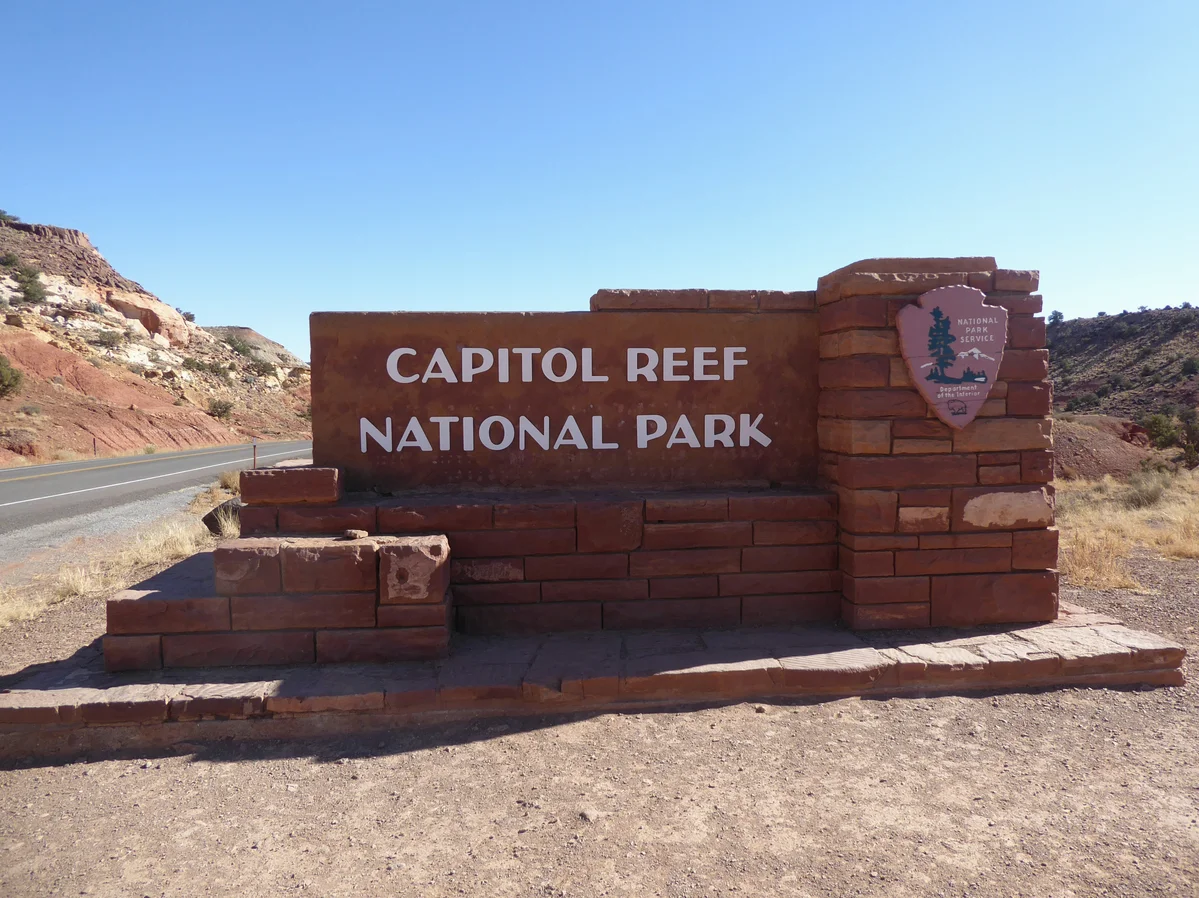
3. The Dilemma of Visiting vs. Protecting National Parks
The surge in visitors poses a dilemma. How can we balance the enjoyment of national parks with the need for their protection? Visiting these natural spaces supports their funding and conservation efforts. Increased visitation can lead to environmental degradation and a decline in visitor feel. Park officials have noted that the very crowds straining these natural areas also provide a compelling argument for their protection. The funds generated from entrance fees contribute to maintenance and conservation. This is essential for preserving the parks' ecosystems. However, as visitation continues to rise, the risk of overtourism increases. This could potentially harm the very areas visitors come to enjoy. Conservationists warn that without proper management, parks could suffer from long-term damage. This may lead to diminished wildlife populations and loss of natural beauty. Ultimately, it impacts the visitor feel. The challenge lies in finding a way to promote responsible tourism that respects both the parks and their visitors. Education is key in this dilemma. Visitors must understand their impact on the environment and practice sustainable tourism. By understanding the consequences of overcrowding, individuals can make better choices. This benefits both themselves and the parks they love.4. What Alternatives Exist for National Park Visitors?
As national parks become more crowded, exploring alternatives can enhance your experience. It can also reduce pressure on these iconic locations. Local and state parks often provide similar natural beauty without the overwhelming crowds. These parks can offer unique trails, wildlife viewing, and scenic views. They make a great option for day trips or weekend getaways. Another alternative is to visit national parks during off-peak seasons. Late fall or early spring often sees fewer visitors. This allows for a more peaceful experience. During these times, you can enjoy the natural beauty without the stress of overcrowding. Planning your visit around weekdays instead of weekends can also help you avoid large crowds. Consider exploring less popular national parks. Many hidden gems exist within the National Park Service. They receive fewer visitors but offer stunning landscapes and recreational chances. Parks like Congaree National Park or Biscayne National Park can provide a unique experience away from the crowds. Joining guided tours can also enhance your visit. These tours often include lesser-known areas. They provide insights into the park's ecology and history. A knowledgeable guide can enrich your experience while ensuring you explore the park responsibly.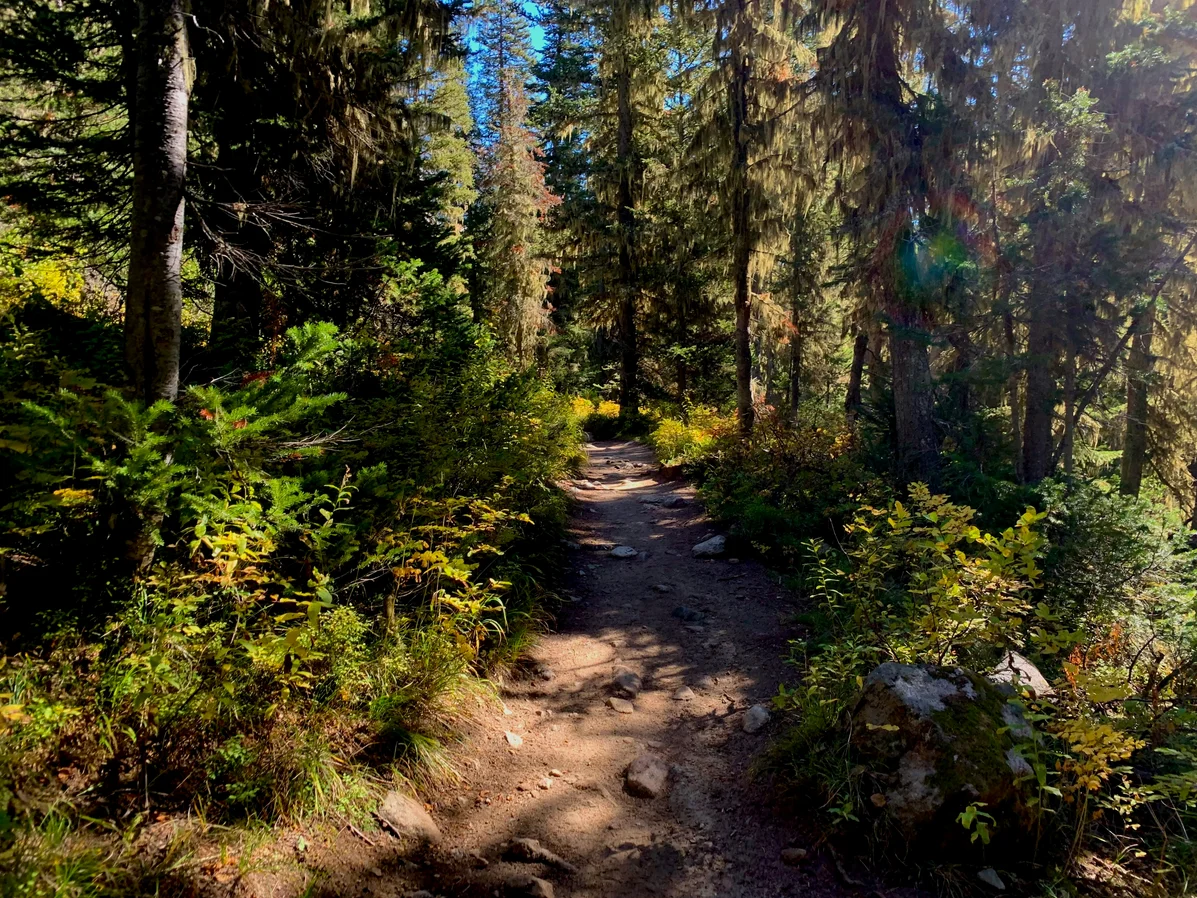
5. The Future of National Parks Amidst Visitor Surge
- Assess park conditions: Regularly check park websites for updates on visitation numbers and any access restrictions.
- Plan visits during off-peak times: Aim for weekdays or shoulder seasons to avoid high crowds and enhance your experience.
- Consider alternative parks: Research and visit lesser-known parks that offer beautiful landscapes with fewer visitors.
- Participate in conservation efforts: Join local steps to help maintain parks and protect their ecosystems while visiting.
Final Thoughts
- Visit local parks: Explore nearby parks in your area to experience nature without the crowds.
- Educate yourself: Learn about responsible tourism practices to minimize your impact on national parks.
- Support conservation efforts: Contribute to companies that help protect national parks and their ecosystems.
Frequently Asked Questions
How does overcrowding affect national parks?
Overcrowding leads to significant strain on national parks' resources and infrastructure. In 2025, Yosemite faced record crowds that required expanded viewing areas. According to the National Park Service, infrastructure upgrades are necessary due to visitor pressure. Increased foot traffic can damage trails and habitats, negatively impacting ecosystems. Visitors and wildlife alike experience safety hazards in congested areas. To help, consider visiting during less crowded times.
What can visitors do to support national parks in 2026?
Visitors can support national parks by practicing responsible tourism. In 2026, over 1.5 billion visitors are expected, putting pressure on ecosystems. The National Park Service encourages sustainable practices to protect natural resources. By reducing waste and respecting wildlife, visitors can mitigate their impact. This is vital for future generations to enjoy these natural spaces. Consider volunteering for local conservation efforts to make a difference.
Why are national parks so crowded in 2026?
National parks are expected to be overcrowded in 2026 due to a projected 1.5 billion visitors. This increase reflects a growing interest in outdoor recreation and nature. The National Park Service attributes the rise to pandemic-related shifts in leisure activities. Many people seek nature as a respite from urban life, contributing to crowds. This affects both visitor experiences and park management efforts. To address this, plan visits carefully and consider alternatives. For background context, see Carmignano Visitation on Wikipedia.