
1. What Is the Purpose of Nose Hair?
Nose hair, known as nasal vibrissae, serves key functions in your respiratory system. According to Dr. Maral Kibarian Skelsey, these hairs filter out harmful particles before they enter your body. This includes pathogens, dust, and pollen. By trapping these contaminants, nose hair provides your first line of defense against infections. However, when nose hairs grow too long, they may not function effectively. Dr. Weimann explains that excessive nasal hair can cause irritation and even worsen allergy symptoms. This happens because longer hairs can trap more debris, leading to clumping. The result is a blocked nasal passage that can encourage the growth of bacteria and viruses. Maintaining a balance is essential. You don’t want to remove all your nose hair, as it offers protection. Instead, regular trimming allows you to keep only what is necessary for filtration. This way, you can enjoy the benefits of nose hair while keeping your appearance tidy. Nose hair is not just a nuisance. It maintains your health by filtering out harmful particles. Understanding this can encourage you to take better care of your nasal hair.2. How Trimming Can Improve Nasal Health
Trimming nose hair can improve your nasal health. When you keep your nose hairs at a manageable length, you enhance airflow. Dr. Weimann notes that proper airflow helps your body function better and reduces the likelihood of infections. Overgrown nose hair can trap allergens, leading to respiratory issues. When these hairs clump together, they can worsen symptoms for those with allergies. By trimming your nose hairs, you can minimize the risk of triggering these reactions. Less irritation means better breathing and overall comfort. Regular trimming helps prevent ingrown hairs. Plucking can lead to irritation, so trimming is the recommended method. Keeping the hairs short but not fully removed ensures that they still perform their filtering function. According to Dr. Skelsey, most people should trim their nose hair every one to four weeks. A well-groomed appearance can boost your confidence. Many people feel more presentable when they manage their nose hair. This psychological benefit is just another reason to incorporate nose hair trimming into your routine.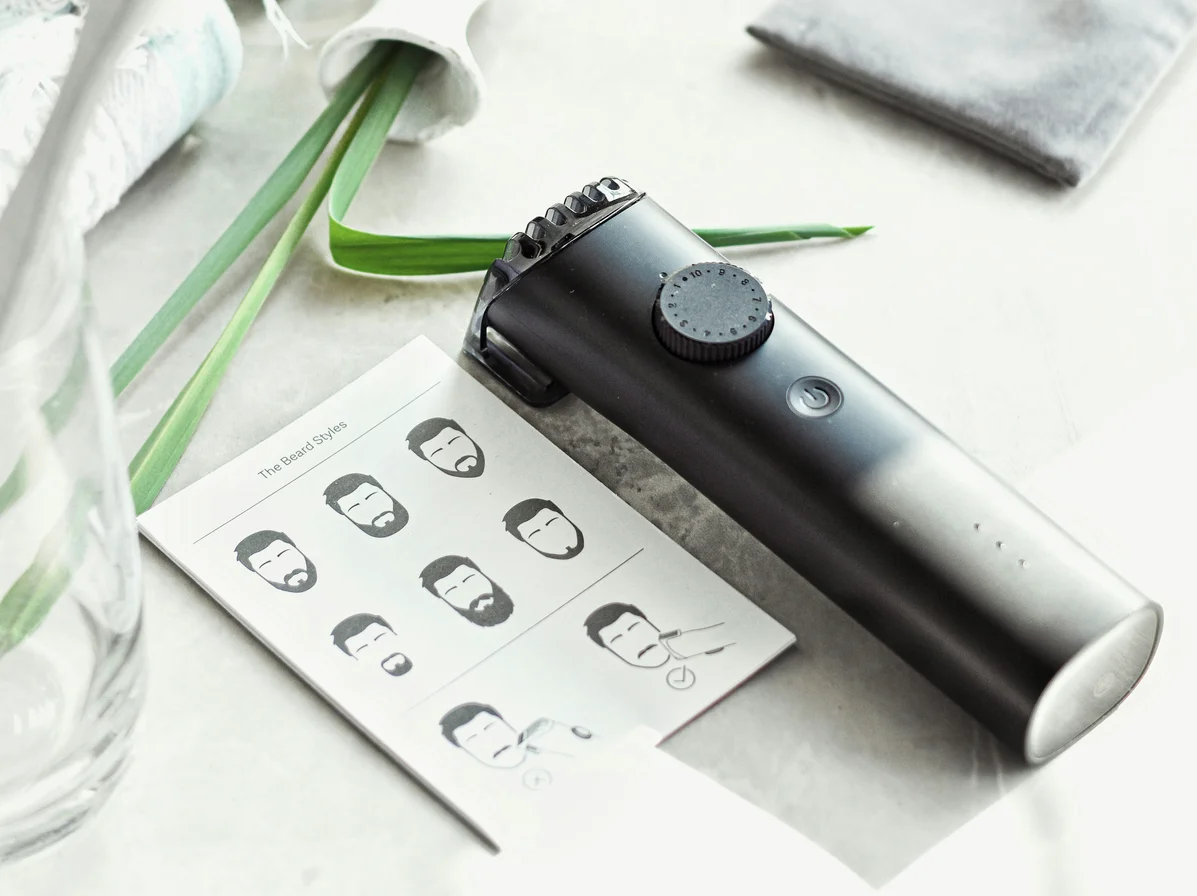
3. Expert Recommendations on Nose Hair Care
Experts recommend specific practices for effective nose hair care. Dr. Rina Weimann advises using a nose hair trimmer with rounded blades. This design minimizes the risk of cuts and makes the process safer. Always ensure the trimmer is clean before use to avoid introducing bacteria. Dr. Skelsey emphasizes the importance of proper technique. Trim only the hairs that stick out from your nostrils while leaving a few millimeters intact. This allows nose hairs to continue filtering particles effectively. Avoid thrusting the trimmer too deep into the nostrils, as this can harm sensitive nasal tissues. Both experts agree that individuals with certain conditions should be cautious. Those with compromised immune systems or diabetes may face increased risks when trimming. Small cuts can lead to serious infections, so they should consult a healthcare provider. For most, a trimming routine can be done every one to four weeks. This frequency helps maintain a neat appearance and contributes to better nasal health. Following expert suggestions can make a significant difference in your grooming habits.4. Risks of Ignoring Nose Hair Maintenance
Neglecting nose hair maintenance can lead to various health issues. Dr. Weimann warns that excessive nasal hair can increase the risk of infections. When nasal hairs are long and unkempt, they become less effective at filtering out harmful particles. Blocked nasal passages from overgrown hair can cause discomfort and difficulty breathing. This may lead to snoring or sleep disturbances. Accumulated debris can worsen allergy symptoms, making trimming essential for those with sensitivities. Ignoring nose hair trimming can also result in ingrown hairs. Plucking can irritate the skin, leading to painful bumps. According to Dr. Skelsey, these bumps can become infected if not treated properly. Not managing your nose hair can result in infections, irritation, and discomfort. Regular trimming is vital for maintaining a healthy nasal environment.
5. Best Practices for Safe Trimming
To trim your nose hair safely, follow these best practices. First, choose a high-quality nose hair trimmer with rounded blades. This design minimizes the risk of cuts and injuries during grooming. Before trimming, clean your hands and the trimmer with antibacterial soap. This reduces the risk of introducing bacteria into your nostrils. Dr. Weimann suggests using the trimmer in a well-lit area for better visibility. When trimming, focus on the hairs that extend outside the nostrils. Avoid removing hair deep inside the nasal passages. Only trim what is visible so you can maintain the protective function of your nose hair. If you experience irritation after trimming, apply a soothing ointment like Vaseline. This can help to reduce discomfort and promote healing. Regular maintenance, every one to four weeks, will keep your nose hair under control without sacrificing its benefits.Final Thoughts
- Trim your nose hair every one to four weeks for optimal health.
- Use a high-quality trimmer with rounded blades to prevent cuts.
- Focus on trimming only visible hairs, keeping some for filtration.
- Clean your tools regularly to reduce infection risk.
- Seek medical advice if you have a compromised immune system.
- Apply ointment to soothe any irritation after trimming.
- Make nose hair trimming a part of your grooming routine for better health.
Frequently Asked Questions
How does nose hair help prevent infections?
Nose hair traps airborne particles and pathogens, keeping them from entering the body and reducing infection risk.
Is trimming nose hair safe for everyone?
Yes, trimming is safe when done correctly, as it maintains the protective function of nasal hair.
What are the risks of plucking nose hair?
Plucking can lead to irritation, ingrown hairs, and increased risk of infection. For background context, see Beak trimming on Wikipedia.