
How Much Water Does Old Faithful Erupt?
- Observe the eruption: Watch an Old Faithful eruption. It typically lasts between three to five minutes. This gives you a sense of the geyser's power and duration.
- Measure the water: Use a portable flume to collect water during an eruption. This method captures the total volume of water released.
- Calculate the average: Analyze the data collected from multiple eruptions. This helps find the average water volume. It provides a reliable estimate of Old Faithful's annual water output.
- Compare with other geysers: Look at the eruption volumes of nearby geysers, such as Lone Star Geyser and Steamboat Geyser. Understanding these comparisons can highlight Old Faithful's unique traits.
- Document the findings: Record your results in scientific databases or journals. Sharing this data helps enhance scientific understanding and tourism management in Yellowstone.
The Science Behind the Measurements
Researchers from the U.S. Geological Survey (USGS) and other institutions recently conducted a detailed study of Old Faithful’s eruptions. They used smart methods like sandbags and chemical sensors to measure water volume accurately. Their findings revealed that Old Faithful erupts about 7,370 gallons annually, equivalent to 140 bathtubs. Pro Tip: Old Faithful erupts about 7,370 gallons annually, equivalent to 140 bathtubs, according to a 2026 study by USGS and partners. The study involved measuring water flow during 45 eruptions in 2025. Researchers found that the water volume ranged from 3,223 to 11,703 gallons per eruption. The total volume of water is big for tracking real changes in Yellowstone and managing tourism. Understanding the water volume helps scientists predict how climate change might impact geyser activity. For instance, the amount of snow and rainfall influences water supply. This can affect eruption patterns. Accurate measurements also provide a baseline for future research and environmental monitoring.
Environmental Impact of Geyser Eruptions
Geysers like Old Faithful have a real impact on their ecosystems. The water they release contains minerals and gases that can affect local flora and fauna. For example, Old Faithful erupts water along with 63 tons of chloride and 3.9 tons of fluoride annually. This can impact soil and plant health. Many people believe that geysers are purely natural phenomena with no impact on their surroundings. In reality, Old Faithful and similar geysers add to the geothermal system that supports diverse life in Yellowstone. The unique chemistry of the water can influence microbial life. This, in turn, affects larger organisms in the ecosystem. The heat released during eruptions helps create unique habitats. These habitats support species that thrive in extreme conditions. The interaction between water, heat, and minerals is key in maintaining the biodiversity of the park. Geysers influence the hydrology of the region. They draw water from underground sources, affecting the water table and river systems nearby. As climate change alters precipitation patterns, understanding these interactions becomes important for conservation efforts.Historical Context of Old Faithful
Old Faithful has been a significant landmark since the establishment of Yellowstone National Park in 1872. Its name reflects its predictable eruption schedule. It occurs every 90 to 94 minutes on average. This regularity has made Old Faithful a popular attraction for visitors and a subject of scientific study. Many myths surround Old Faithful, including the belief that it is the largest or most powerful geyser in Yellowstone. While it is certainly one of the most famous, other geysers like Steamboat Geyser have much larger eruption volumes. Steamboat can release between 35,400 and 142,125 gallons of water. This makes it the tallest eruptive plume worldwide. The early explorers and scientists who studied Old Faithful laid the groundwork for modern geothermal research. Their observations helped shape our understanding of geysers and geothermal features. Today, scientists continue to study Old Faithful to monitor changes and ensure its preservation. Old Faithful serves as a symbol of the geothermal wonders found in Yellowstone. The geyser's iconic status helps promote environmental awareness and tourism in the park. As climate change threatens these natural wonders, ongoing research remains essential for their protection.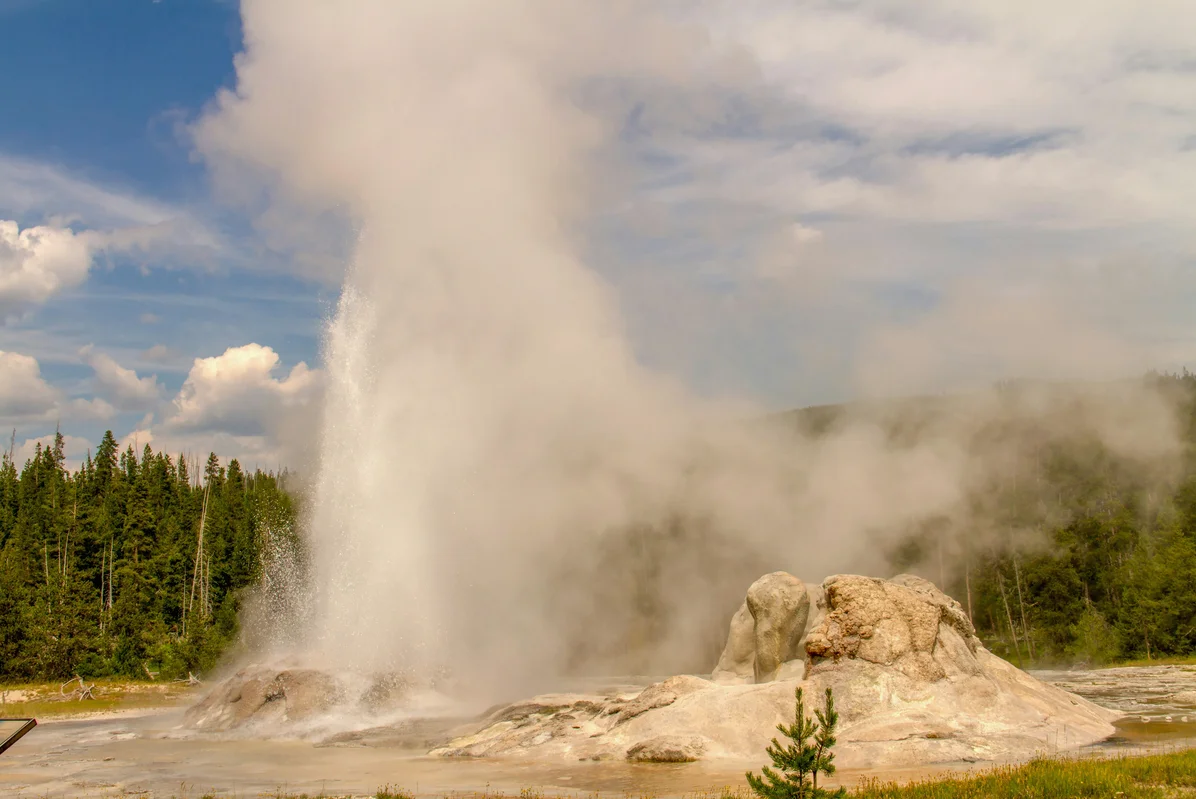
Future Research Directions
Future research on Old Faithful will likely focus on how climate change impacts geyser activity. Scientists aim to understand how shifts in temperature and precipitation affect water supply and eruption patterns. This research is important for managing tourism and preserving natural resources. The ongoing study of geothermal features will enhance our understanding of Earth's geothermal systems. By analyzing the data collected, researchers can identify trends and make predictions about future eruptions. This information is valuable for both scientists and park management. Research will also explore the relationship between Old Faithful and other geothermal features in Yellowstone. Understanding these dynamics can inform conservation efforts and enhance visitor experiences. This collaboration between scientists and park officials is essential for maintaining the park's natural beauty. Finally, the integration of technology in monitoring geyser activity will continue to evolve. Advanced sensors and data analysis tools will provide more accurate measurements and forecasts. These innovations will help ensure that Old Faithful remains a vital part of Yellowstone's ecosystem for generations to come.Final Thoughts
- Visit Old Faithful: Plan a trip to Yellowstone National Park. Witness an eruption firsthand within the next year.
- Follow research updates: Stay informed about ongoing studies related to geyser activity and climate change impacts. Check USGS publications.
- Support conservation efforts: Contribute to companies dedicated to preserving natural wonders like Old Faithful. Consider volunteering or donating.
Frequently Asked Questions
How is the water volume of Old Faithful measured?
Old Faithful's water volume is measured using portable flumes during eruptions. The 2026 study revealed an annual volume of 7,370 gallons. Researchers from the USGS conducted this analysis. They quantified water flow during 45 eruptions in April 2025. This finding is key for understanding environmental changes in the park. You can visit Yellowstone to witness these measurements firsthand.
What factors affect the amount of water Old Faithful erupts?
The volume of water Old Faithful erupts depends on several factors, including snowmelt and rainfall. In 2026, researchers noted that the annual volume was about 7,370 gallons. The USGS studied this phenomenon extensively. Changes in precipitation patterns can impact water supply significantly. This information affects tourism management at Yellowstone. You can monitor weather patterns to understand their effects on geyser activity.
Why are geysers like Old Faithful rare?
Geysers like Old Faithful are rare due to specific geological conditions. There are fewer than 1,000 geysers worldwide, with half located in Yellowstone. A 2026 study by the USGS highlighted these unique conditions. Geysers require water, heat, and specific underground structures to form. This rarity makes Old Faithful a significant natural feature. You can learn more about geysers by visiting Yellowstone National Park. For background context, see 1980 eruption of Mount St. Helens on Wikipedia.