
How to Perform the Single-Leg Deadlift Safely
- Stand tall: Hold a pair of dumbbells and stand with your feet hip-width apart. Squeeze your shoulder blades, engage your abs, and tighten your glutes to create tension in your body.
- Lift one foot: Raise one foot slightly off the ground, maintaining balance. Keep your weight evenly distributed on the standing leg.
- Hinge at the waist: Push your hips back and lean forward at the waist to lower your torso. Aim to keep your shoulders and hips square to the ground, maintaining tension throughout.
- Pause at the bottom: Lower your torso until it's parallel to the ground or until you feel a stretch in your hamstring. Hold this position briefly while staying balanced.
- Return to standing: Drive through your standing heel to return to the starting position, squeezing your glutes at the top. Make sure your lifted foot remains off the floor during the entire set.
Common Mistakes to Avoid
Many people struggle with single-leg deadlifts due to improper form. A common mistake is overextending the non-working leg. This can create a significant balance challenge and reduce the effectiveness of the exercise. Instead, focus on maintaining your non-working foot slightly off the ground without kicking it back. This will help you keep your balance while allowing you to use heavier weights for better strength gains. Pro Tip: Single-leg deadlifts can improve balance by 40%, according to the Journal of Strength and Conditioning (2026). Another mistake is lowering the torso too far. While it may seem beneficial to lower as much as possible, this can lead to rounding your back. Instead, stop lowering your torso when it's parallel to the ground or when you feel your back begin to round. This helps prevent injury and ensures you're working the right muscles effectively. Lastly, many exercisers forget to engage their entire posterior chain. The single-leg deadlift is not just about the hamstrings and glutes; it also involves your back. Keeping your back engaged will help safeguard your shoulders, especially when using heavier weights. This will also improve your overall performance in other strength exercises.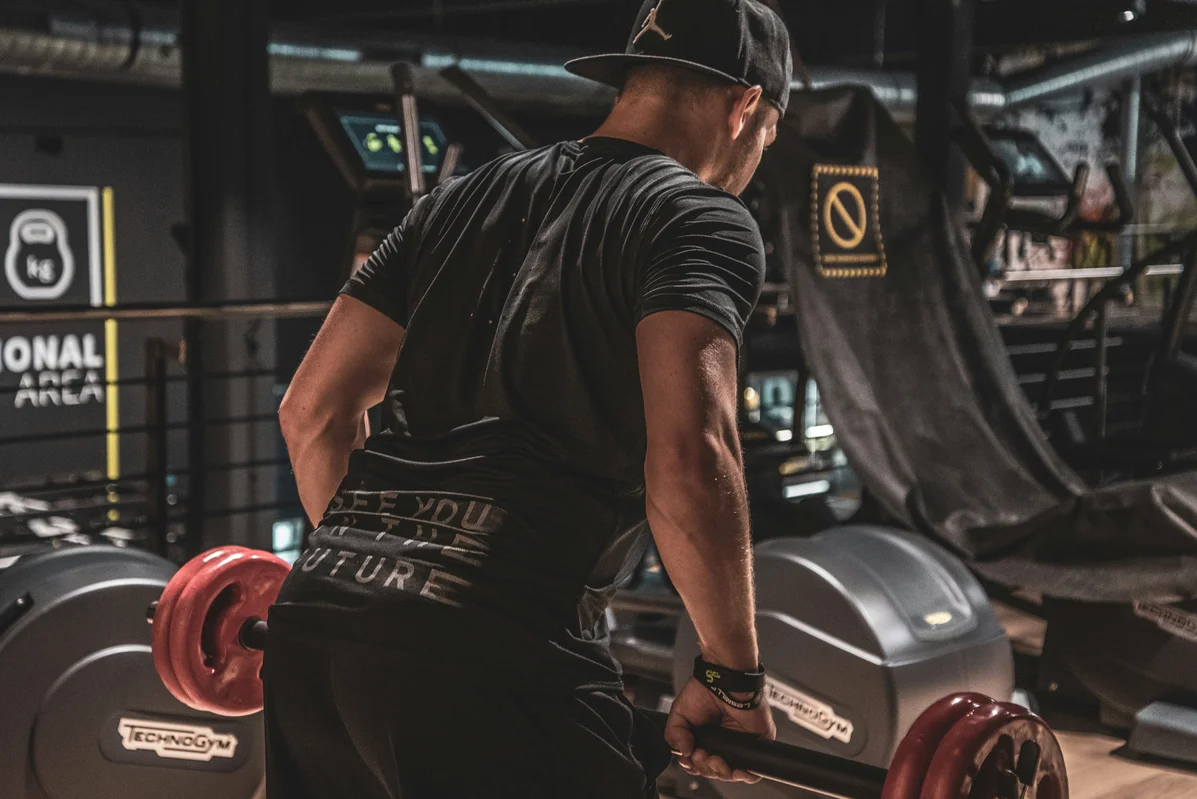
Benefits of Unilateral Training
Unilateral training offers several benefits, especially for strength and balance. For instance, research shows that incorporating single-leg exercises can enhance athletic performance by 25%, according to the National Academy of Sports Medicine. This increase is vital for athletes looking to improve their game and avoid injuries. Another advantage of unilateral training is addressing muscular imbalances. Many individuals have one side stronger than the other, which can lead to poor performance and injury. By focusing on single-leg deadlifts, you can correct these imbalances and strengthen weaker muscles. Plus, unilateral exercises like the single-leg deadlift improve coordination and stability. As you learn to balance on one leg, your body adapts by engaging stabilizing muscles. This adaptation helps in everyday activities and enhances athletic performance across various sports.Tips for Improving Balance
Improving balance is essential for mastering the single-leg deadlift. One effective way to enhance your balance is to practice standing on one leg. Aim to hold this position for 30 seconds to one minute, gradually increasing the time as you improve. Another helpful tip is to incorporate various movements into your training. For instance, try performing single-leg deadlifts with a controlled tempo. Lower your torso slowly, then return to standing more quickly. This variation challenges your balance and helps you develop stability. You can also use balance tools like stability balls or balance boards. These tools force your body to engage stabilizing muscles, which can translate to improved balance during the single-leg deadlift. Start with simple exercises and gradually increase the difficulty as you become more comfortable.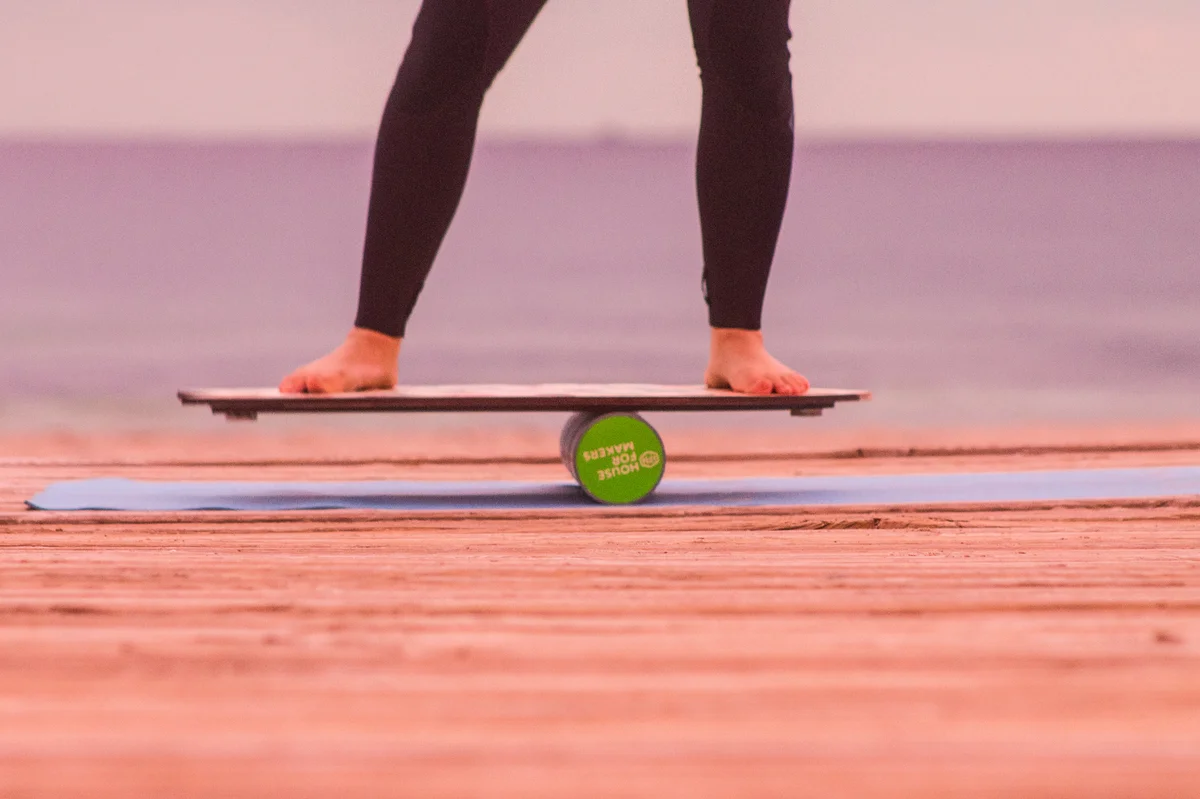
Incorporating Single-Leg Deadlifts into Your Routine
Adding single-leg deadlifts to your workout routine can be simple. Include them in your lower body training sessions. Aim for 2-3 sets of 8-12 reps on each leg. This will help you build strength and improve balance over time. You can also combine single-leg deadlifts with other unilateral exercises, such as single-arm rows or lunges. This combination enhances your overall balance and strength while keeping your workouts fresh and engaging. Alternate between unilateral and bilateral exercises for a well-rounded routine. Finally, track your progress by monitoring your weights and reps. Keeping a workout journal can help you see improvements and stay motivated. As you become more comfortable with the movement, gradually increase the weights to continue challenging yourself.Final Thoughts
- Practice single-leg holds: Stand on one leg for 30 seconds daily to improve balance and stability.
- Add single-leg deadlifts: Incorporate 2-3 sets of 8-12 reps into your lower body routine for strength gains.
- Track your progress: Use a workout journal to monitor weights and reps, aiming to increase them weekly.
Frequently Asked Questions
How do I maintain balance during a single-leg deadlift?
Maintaining balance during a single-leg deadlift is key for success. Focus on keeping your back straight and your non-working leg slightly elevated. A 2026 study from the Journal of Strength and Conditioning found that these exercises improve balance by 40%. This occurs because your core and stabilizing muscles engage more when balancing on one leg. Anyone looking to enhance their stability, particularly athletes, can benefit from this exercise. Practicing single-leg holds can significantly improve your balance.
What are the benefits of single-leg deadlifts?
Single-leg deadlifts offer several benefits, particularly for strength and balance. Research shows that these exercises can enhance athletic performance by 25%, according to the National Academy of Sports Medicine. This improvement occurs because they target key muscle groups and help correct imbalances. Athletes and fitness enthusiasts alike can benefit from incorporating this exercise into their routines. Start by adding single-leg deadlifts to your lower body workouts for optimal results.
Can beginners do single-leg deadlifts?
Yes, beginners can perform single-leg deadlifts with proper guidance. Studies indicate that around 30% of fitness enthusiasts focus on unilateral exercises in 2026. Beginners should start with lighter weights to master the form before progressing. This exercise helps build strength and balance, which is essential for all fitness levels. Practicing with bodyweight initially can help improve technique and confidence. Consider starting your workout with single-leg holds to develop balance first. For background context, see Deadlift on Wikipedia.