
Essential Gear for Spring Hiking in the White Mountains
Having the right gear is essential for safe spring hiking. Equipment should include a first-aid kit, proper footwear, and extra clothing layers to accommodate changing weather. The New Hampshire Fish and Game Department emphasizes that many hikers fail to bring adequate supplies, which can lead to emergencies. Proper gear increases survival chances in adverse conditions. Pro Tip: Over 8 rescue operations occurred in a single week in 2026, highlighting the urgent need for proper hiking gear and preparation. Also, navigation tools such as maps and compasses are critical. Relying on smartphones alone can be risky, as battery life may not last through the hike. A lightweight emergency shelter is also a must, even for day hikes. It provides safety against sudden weather changes, which can happen quickly in the mountains. Clothing should focus on layering for warmth and moisture-wicking properties. Start with a base layer that keeps sweat away, add breathable mid-layers for insulation, and finish with a waterproof shell. Always check the weather before heading out, but be prepared for sudden changes. These actions can dramatically increase your chances of a safe and enjoyable hike.Tips for Staying Safe While Hiking Alone
Hiking alone can be risky, especially in spring. Taking these actions can help ensure your safety while enjoying the solitude of the trails.- Plan your route: Choose a trail suitable for your skill level and share your plans with someone.
- Check the weather: Review forecasts for the day of your hike and the following days to avoid unexpected storms.
- Pack the ten essentials: Ensure you have navigation tools, food, water, first-aid supplies, and emergency gear.
- Stay alert: Pay attention to trail signs and weather changes, adjusting your plans if necessary.
- Set a time limit: Decide on a turnaround time to avoid being caught in darkness or worsening conditions.
- Trust your instincts: If something feels off, turn back. It's better to be safe than sorry.
Recognizing Weather Changes and Their Impact
Being able to recognize weather changes is key for safety in the White Mountains. Weather conditions can shift unexpectedly, making it essential for hikers to stay alert. In April 2026, hikers faced various challenges due to sudden snowstorms, with reports of waist-deep snow at summits. These conditions can lead to hypothermia and other life-threatening situations. NHFG Lieutenant Robert Mancini points out that many hikers are caught off guard by the disparity between conditions at the trailhead and those at higher elevations. While it may be sunny and warm at the parking lot, the summit can present a different story. This gap in conditions often leads to accidents and rescues. Recognizing signs of changing weather can save lives. For example, if you notice darkening clouds or a drop in temperature, it may be time to turn back. Wind gusts can also signal an incoming storm, which is common in mountainous areas. Carrying weather-resistant gear is essential for adapting to these changes. Being aware of weather changes can significantly impact your hiking safety. Always remain vigilant and prepared for the unexpected conditions that the White Mountains can present.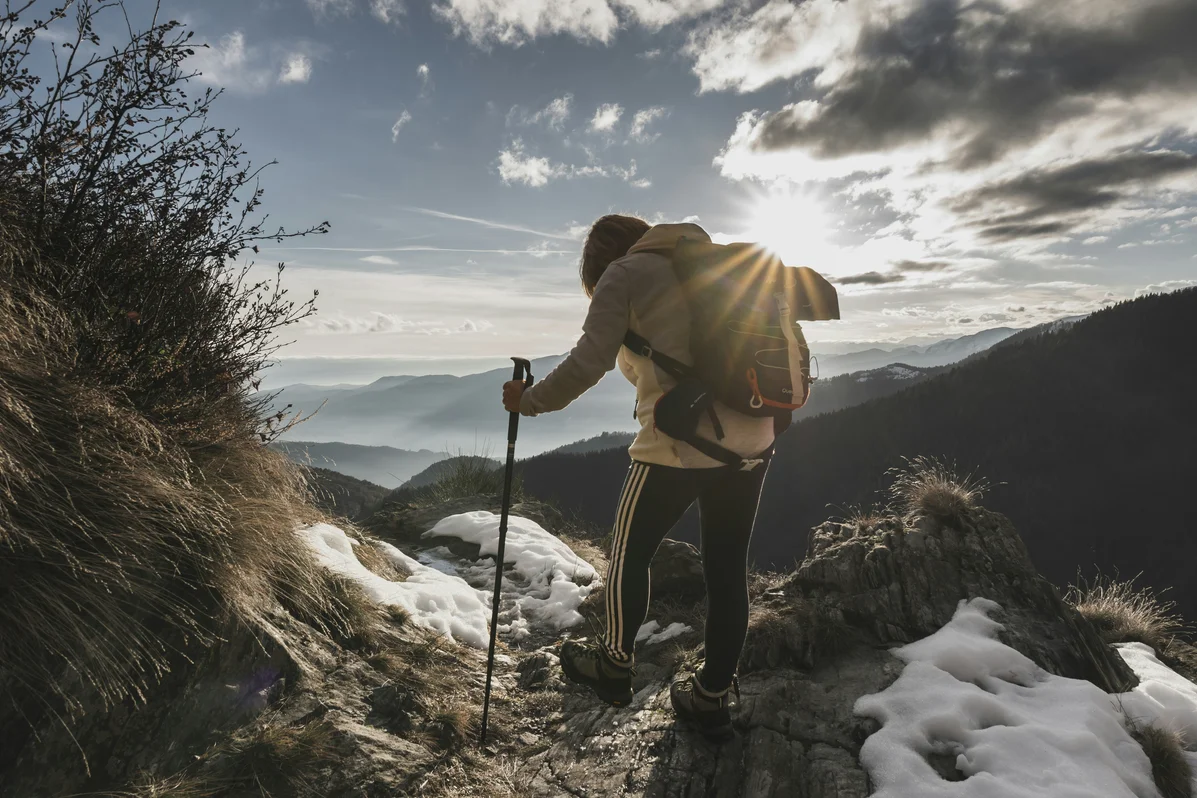
What to Do in Case of an Emergency
Being prepared for emergencies is key for any hiker. If you find yourself in a dangerous situation, knowing the right steps can make a difference. First, stay calm and assess your surroundings. Panic can lead to poor decisions, so taking a deep breath is essential. If someone is injured, check for responsiveness and call for help if possible. Use your mobile phone to contact emergency services if you have reception. If not, try to find a safe location where you can signal for help. Always carry a whistle or mirror, which can be useful for attracting attention. In case of a weather emergency, seek shelter immediately. Use your emergency gear to protect yourself from the elements. If you have a first-aid kit, use it to treat any injuries. Staying warm and dry is vital in preventing hypothermia. Lastly, if you’re lost, stay put. Rescuers will have an easier time finding you if you remain in one place. Carrying a map and compass can help you navigate back to safety if you’re not in immediate danger. Being prepared and knowing what to do can save lives in emergencies.Final Thoughts
- Check your gear before hiking: Ensure you have all necessary items packed before your trip to avoid emergencies.
- Review a weather report: Check the forecast the night before your hike and consider potential changes throughout the day.
- Share your hiking plan: Inform someone of your route and expected return time to ensure help can be summoned if needed.
Frequently Asked Questions
What should you pack for safe spring hiking?
Essential items for safe spring hiking include a first-aid kit, layered clothing, and navigation tools. In 2026, eight rescues occurred in just one week, stressing the importance of being prepared. The New Hampshire Fish and Game Department emphasizes that proper gear can save lives. These items help hikers navigate and respond to emergencies effectively. All hikers, especially those in remote areas, should carry these essentials. Always double-check your gear before heading out to minimize risks.
How can you recognize dangerous weather changes while hiking?
Recognizing dangerous weather changes involves paying attention to temperature drops and cloud formations. In 2026, conditions led to waist-deep snow at summits, surprising many hikers. The New Hampshire Fish and Game Department warns that mountain weather can shift quickly. Sudden storms can create hazardous conditions for those unprepared. All hikers should learn to recognize these signs to ensure their safety. Carrying weather-resistant gear is crucial for adapting to changing conditions.
Why is solo hiking considered risky in the spring?
Solo hiking is risky in spring due to unpredictable weather and trail conditions. In 2026, a solo hiker was found deceased after encountering sudden winter conditions. The New Hampshire Fish and Game Department advises against hiking alone without proper gear. Many hikers underestimate the challenges posed by melting snow and hidden hazards. Solo hikers face greater risks if something goes wrong. Always inform someone of your plans and stay vigilant on the trails. For background context, see Hiking on Wikipedia.