
The Role of 35-Pound Plates in Weight Training
The role of 35-pound weight plates in weight training is often underestimated. These plates allow for precise loading adjustments in a workout. For instance, if you're bench pressing and reach 185 pounds, you can either add a 10-pound plate on each side. You can also switch the existing 25s for 35s. This flexibility can help maintain momentum in your workout. 35-pound plates are good for lifters progressing through different strength levels. They serve as a bridge between the lighter 25-pound plates and the heavier 45-pound plates. This inclusion helps lifters make smaller jumps in weight. This is essential for building strength without risking injury. 35-pound plates can help lifters avoid the frustration of uneven loading. When you’re working towards a target weight, having a 35-pound plate available can help achieve the desired total. This can be done without excessive plate changes. This efficiency can save time in your workout and keep your focus on lifting. Understanding how to incorporate 35-pound plates into your routine can enhance your overall training plan. They allow for targeted adjustments that can lead to better results. This is especially true for those looking to maximize their gains in strength training.History of Weight Plates and Their Evolution
The evolution of weight plates traces back to the early 1900s. Manufacturers like Berg began producing standardized weights. These early developments laid the foundation for the weight systems used in gyms today. By 1928, Olympic weightlifting standardized around specific lifts. The need for consistent weights became key. Pro Tip: 35-pound weight plates originated in the early 1900s. They provide vital weight options in modern strength training, according to fitness historian Dr. Conor Heffernan. As equipment manufacturers transitioned from kilogram to pound measurements, the introduction of the 35-pound plate made sense. American companies, rather than sticking with the 15-kilogram plate (about 33 pounds), opted for 35 pounds. This fit better within the imperial system. This decision was big in creating an accessible and practical loading option for lifters. Over the decades, the 35-pound plate has remained a staple in gyms. It is often questioned, though. Many lifters find their utility unclear. Yet their historical significance in bridging weight gaps is undeniable. The 35-pound plate's existence reflects a thoughtful approach to weight training. It addresses both the needs of competitive lifters and everyday gym-goers. This historical context highlights the importance of 35-pound plates in gym settings today. Their unique place in the weight hierarchy provides options for lifters. This can optimize their training routines.
Why Do Some Gyms Avoid 35-Pound Plates?
Despite their benefits, some gyms choose not to include 35-pound weight plates. A common reason for this exclusion is the perception that they complicate plate math. Many lifters find it easier to work with the more traditional increments of 25 and 45 pounds. This makes planning lifts more straightforward. Some gym owners may focus on space and efficiency. The 35-pound plates take up valuable room on plate trees and storage racks. This can limit the availability of more popular weight options. This can lead to frustration for lifters who prefer specific weight combinations. Established lifters might avoid using 35-pound plates due to familiarity with traditional weights. They often stick to what they know. This can lead to overlooking the advantages that 35-pound plates offer. This mindset can create barriers to exploring good weight-loading plans. The choice to exclude 35-pound plates can be a missed chance for both gym owners and lifters. Embracing these plates can enhance training routines. It can also provide valuable options for making incremental weight adjustments.The Benefits of Including 35-Pound Plates
Incorporating 35-pound weight plates into your workout routine offers several benefits. First, they provide a unique loading option. This can help lifters target specific goals without drastic weight changes. For example, when transitioning from 185 to 205 pounds in a lift, swapping 25s for 35s can create a smoother progression. Another advantage is the psychological benefit of using a variety of weights. Lifters may feel more motivated when they can easily adjust their loads. This flexibility can lead to increased workout satisfaction and improved performance over time. Using 35-pound plates can enhance workout efficiency. Instead of making multiple trips to switch weights, lifters can quickly load their barbells with 35s. This allows for constant training without interruptions. This efficiency is especially helpful during high-volume workouts or when training with a partner. Finally, 35-pound plates can help prevent plateaus in strength training. By introducing these plates to your regimen, you can create new challenges. This can stimulate muscle growth. This change is important for those looking to break through previous lifting barriers.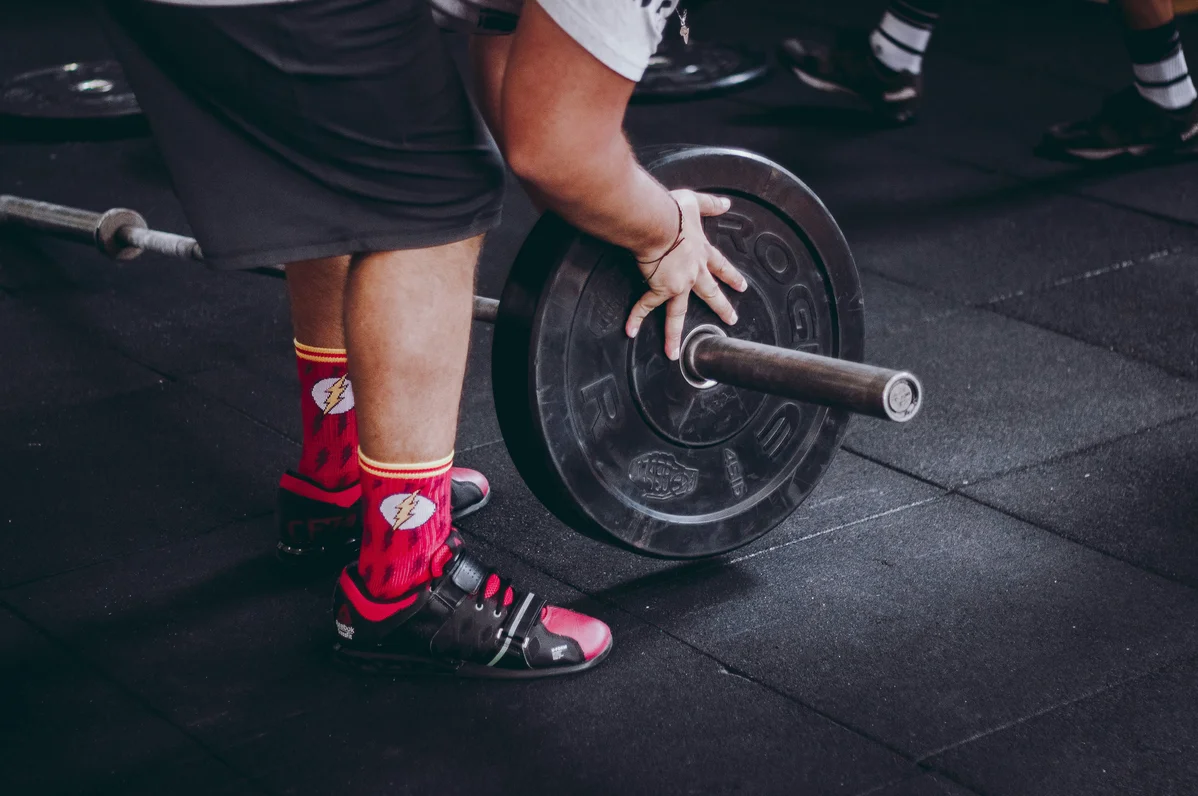
How to Well Use 35-Pound Plates
- Assess your current weights: Check what plates you have available in your gym. Identify if 35-pound plates are included and how often you use them.
- Incorporate them into your routine: Start using 35-pound plates for incremental increases in your lifts. Aim to include them at least once a week.
- Track your progress: Keep a log of your lifts where you use 35-pound plates. Measure how they help you achieve your workout goals over a month.
- Adjust your plate combinations: Experiment with replacing some of your standard plates with 35s. Try this during different exercises to see how it feels.
Final Thoughts
- Check your gym's inventory: Find out if your gym has 35-pound plates available by your next workout. If not, consider suggesting their addition.
- Experiment with your routine: Start incorporating 35-pound plates into your lifting regimen. Observe how they can help you achieve your goals more efficiently.
- Consult a fitness professional: Ask a trainer about the best ways to include 35-pound plates in your workouts. Get specific suggestions tailored to your fitness level.
Frequently Asked Questions
What is the purpose of 35-pound weight plates?
35-pound weight plates serve as a unique loading option for lifters. They provide a practical weight increment for workouts. According to Dr. Conor Heffernan, they fill a gap in standard weight increments. Their use allows for smaller, precise adjustments in lifting. This is beneficial for lifters seeking gradual strength gains. Consider using them to enhance your weight training strategy.
How do 35-pound plates fit into weight training?
35-pound plates fit into weight training by offering flexible loading options. They allow lifters to make specific weight adjustments. The New York Institute of Technology highlights their role in effective training. They help maintain momentum in workouts without excessive plate changes. This is useful for both beginners and experienced lifters. Try incorporating them in your next routine for better results.
When were 35-pound plates first introduced?
35-pound plates were first introduced in the early 1900s. They emerged as a standard option among American manufacturers. Fitness historian Dr. Conor Heffernan notes their significance in weight training. Their design was to create smooth transitions between weights. This is essential for lifters needing precise adjustments. Check your local gym to see if they have these plates available. For background context, see Weight plate on Wikipedia.