
What Are the 4 Key Exercises for Posture?
- Perform abdominal contractions: Lie on your back with knees bent. Tighten your abdominal muscles for five seconds. Repeat ten times to strengthen your core.
- Engage in glute bridges: While lying on your back, lift your hips off the ground. Hold for three seconds before lowering. Complete ten repetitions to enhance lower body strength.
- Do heel pushes: Keep your back flat and extend one leg straight. Push your heel away while keeping your core engaged. Perform for ten seconds on each leg. Repeat twice.
- Practice toe stretches: Sit with one leg extended. Flex your toes back toward your body, holding for ten seconds. Switch legs and repeat for better foot flexibility.
How to Safely Perform These Exercises at Home
Safety is crucial when performing exercises at home. Start with a comfortable surface, like a yoga mat, to avoid slipping. Ensure your space is free of clutter to prevent any accidents. If you're new to these movements, consider starting with fewer repetitions. Gradually increase as you gain strength. Pro Tip: Performing glute bridges daily can enhance your core stability and improve posture, as highlighted by a 2026 study in PLOS One. Listen to your body and stop if you feel any pain. It's also wise to consult a healthcare professional if you have any pre-existing conditions. Modifying exercises can make them more accessible. For example, if you have trouble lifting your hips during glute bridges, try elevating your upper body on a pillow for support. Creating a regular schedule for these exercises is vital. Aim for at least three times a week. Dedicate around ten minutes per session. This routine can help ensure constant improvement and help you develop better habits over time.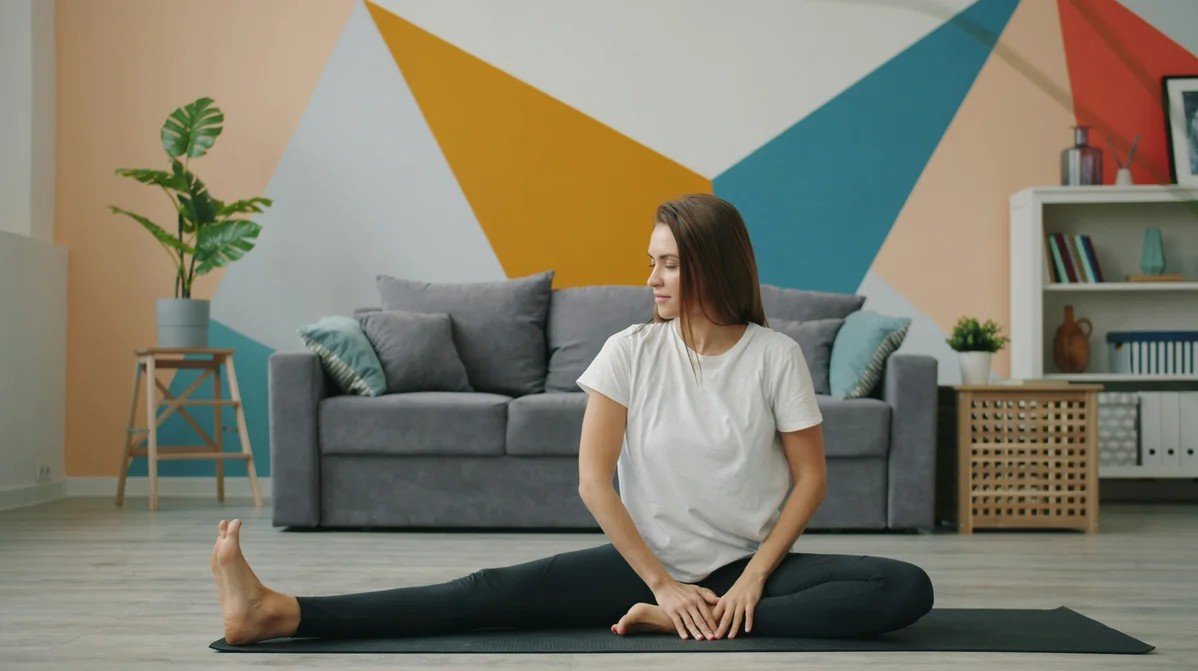
Benefits of Core Strength for Balance
Core strength is basically fundamental for maintaining balance. A strong core stabilizes your body. It allows for smoother movements. This stability is especially important as you age. The 2026 research by Danielle Zickl emphasizes that core strength is essential for balance and reducing the risk of falls. When your core is weak, your body compensates by relying on other muscles. This can lead to poor posture. Strengthening your core through targeted exercises helps align your spine and pelvis properly. This alignment reduces mechanical stress on your joints and muscles. It leads to improved overall function. Incorporating core-strengthening exercises into your routine can greatly enhance your balance. For example, performing glute bridges strengthens both your glutes and core. This dual action can help you stay more stable and upright during daily activities. Improving core strength can also enhance athletic performance. Whether you're playing sports or just running errands, a strong core can make these activities easier and safer.Understanding the Importance of Good Posture
Good posture is not just about looking confident; it's vital for your overall health. Proper alignment of the spine allows for efficient movement. It reduces the risk of injury. According to Lori Diamos, a physical therapist, maintaining good posture helps distribute weight evenly across your body. Many people believe that good posture is only necessary when standing or sitting. Good posture also plays a critical role when lying down. Engaging in exercises that improve posture while lying flat, like abdominal contractions, can help reinforce good alignment. Poor posture can lead to various health issues, including chronic pain and reduced mobility. Misalignment causes unnecessary strain on muscles and joints. This often leads to discomfort during everyday tasks. By focusing on exercises to improve posture and balance, you can mitigate these risks and promote better long-term health. Incorporating posture-enhancing exercises into your daily routine can lead to noticeable improvements. You'll likely feel more energized and less fatigued as your body becomes more aligned and stable.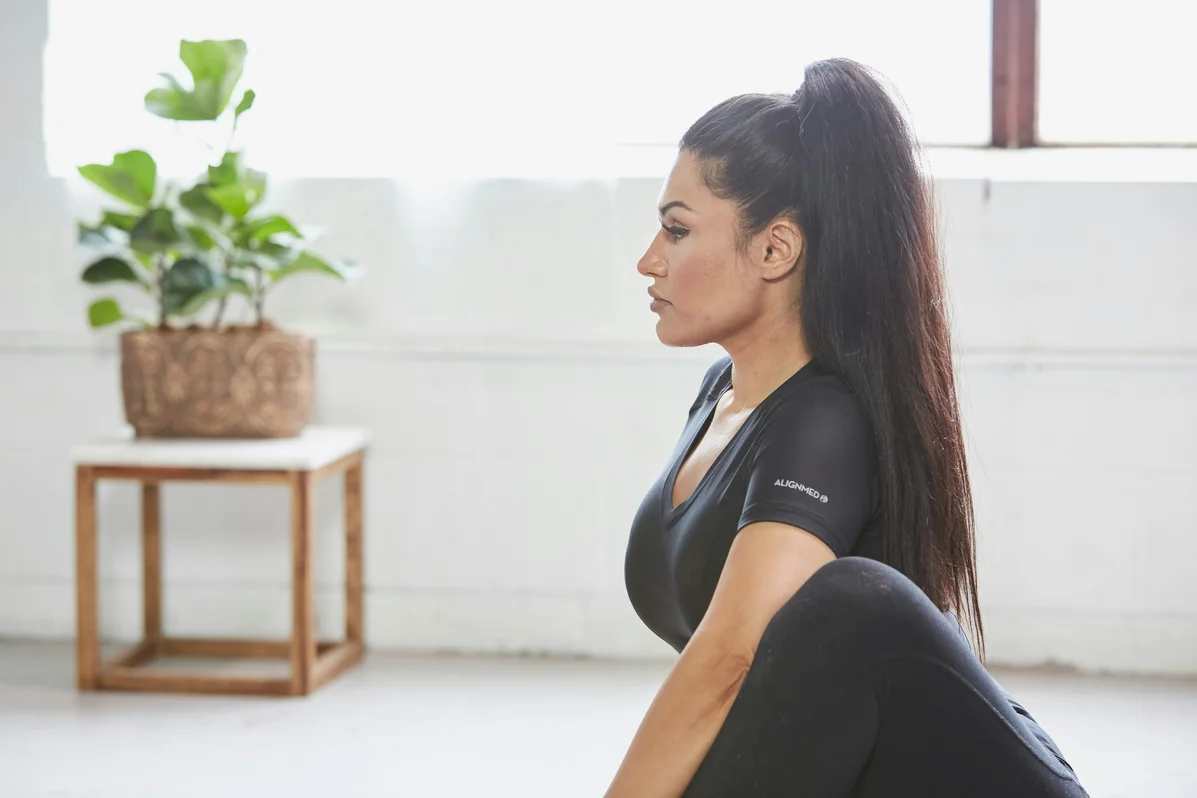
Tips from Physical Therapists on Maintaining Balance
Physical therapists emphasize the importance of balance in everyday life. Many people think balance is only necessary for athletes. However, everyone can benefit from improving their stability. Regular practice of balance exercises can help prevent falls and injuries. One common myth is that balance only deteriorates with age. Balance can decline at any age, especially if you lead a sedentary lifestyle. Engaging in simple exercises like heel pushes can help maintain and improve your balance over time. To enhance balance, incorporate functional movements into your routine. These can include standing on one leg or practicing gentle yoga. Such activities challenge your stability while promoting strength and flexibility. Physical therapists also recommend incorporating balance exercises into your warm-ups or cooldowns. This practice helps reinforce stability and can be done with minimal equipment. Aim for a few minutes of balance training each session to see positive results.Final Thoughts
- Start performing the four key exercises: Dedicate ten minutes daily to exercises like glute bridges to improve posture and balance.
- Consult a physical therapist: Seek personalized advice based on your specific needs and any existing conditions.
- Track your progress: Keep a log of your exercise routine and note improvements in your posture and balance over the next month.
Frequently Asked Questions
How can I improve my posture at home?
Improving posture at home involves consistent practice of targeted exercises. A 2026 study found that four specific exercises can enhance posture effectively. The research was conducted by PLOS One. These exercises strengthen the core and align the spine, which is crucial for posture. Everyone, especially those working from home, should focus on these exercises. Start with glute bridges to strengthen your back and core.
What are the benefits of core strength for balance?
Core strength is essential for maintaining balance and stability. Research from 2026 indicates that stronger core muscles can reduce the risk of falls. This finding comes from a study by Danielle Zickl. A strong core stabilizes your movements, making daily tasks easier. All ages can benefit from improved balance through core strengthening. Regularly practice exercises like abdominal contractions to enhance your core.
Why is good posture important for health?
Good posture is crucial for overall health and wellness. Studies show that proper alignment can reduce chronic pain and improve mobility. The findings were reported by Lori Diamos in 2026. Good posture allows for efficient movement and less strain on muscles. It applies to everyone, especially those with sedentary jobs. Incorporate exercises to improve posture and balance into your routine for better health. For background context, see Balance on Wikipedia.