
1. Key Benefits of the Bulgarian Split Squat
The Bulgarian split squat offers many good benefits for leg development. It is a one-leg exercise, meaning it trains one leg at a time. This approach helps find and fix muscle imbalances that regular squats may miss. According to fitness studies from 2025, one-leg exercises like the Bulgarian split squat improve balance and coordination. This is crucial for athletes and anyone looking to boost their physical performance. Another big advantage is its ability to build strength and muscle tone in the legs. A 2026 report from Men's Health states that this exercise well targets the glutes, hamstrings, and quads. The Bulgarian split squat engages these muscles through a full range of motion, promoting muscle growth. The result is not just stronger legs but also better athleticism. Also, the Bulgarian split squat boosts mobility. The split stance promotes flexibility in the rear leg. This increased mobility can lead to better performance in other exercises and daily activities. Adding this movement to your routine can lead to clear improvements in overall leg strength and stability.2. Step-by-Step Guide to the Bulgarian Split Squat
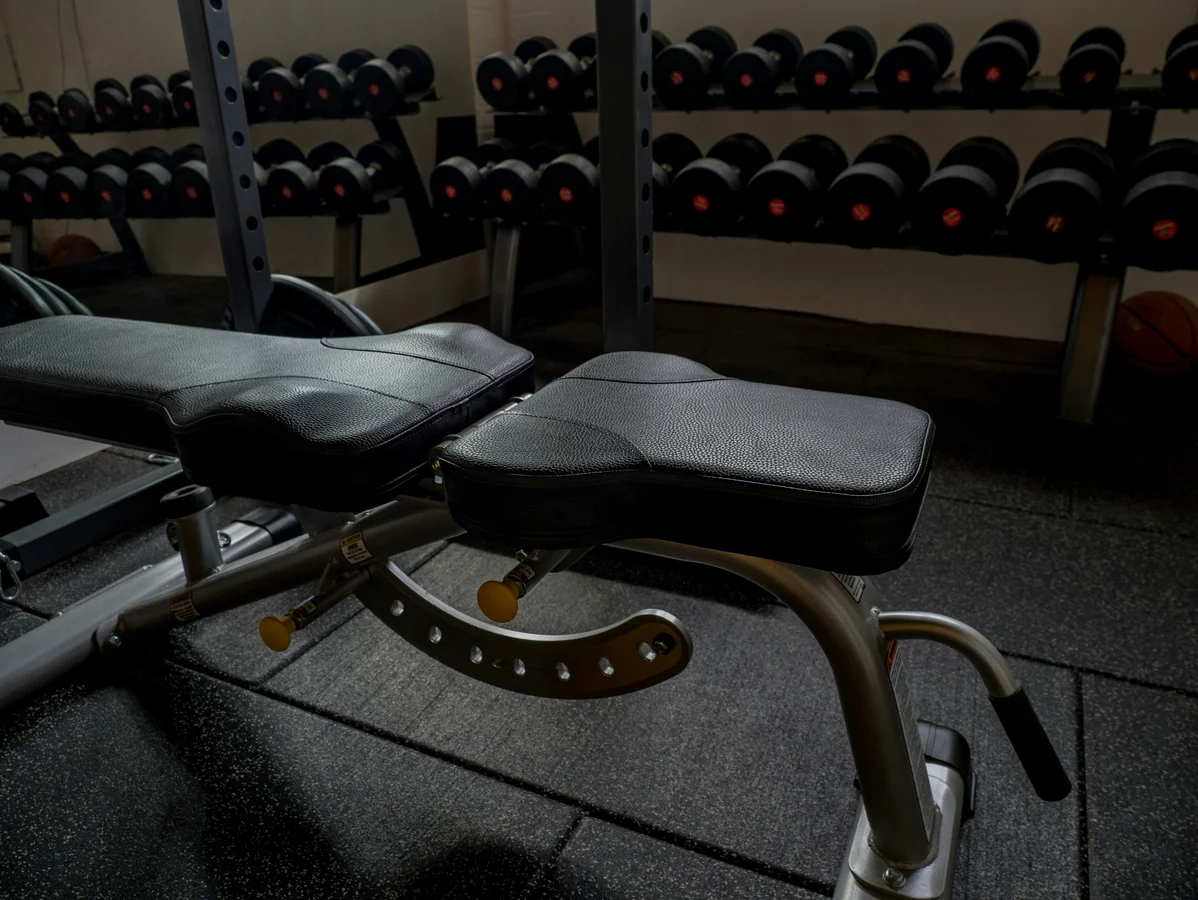
- Start on the floor: Position yourself in front of a bench or stable platform, ensuring enough space for your rear leg.
- Elevate your foot: Place one foot on the bench behind you, keeping your front foot flat on the ground.
- Position your front leg: Make sure your front knee is above your ankle, creating a 90-degree angle when you lower your body.
- Grab weights: If using weights, pick them up from the floor and hold them at your sides or on your shoulders.
- Lower your body: Slowly lower yourself until your back knee is an inch above the ground, keeping a vertical shin position.
- Push back up: Engage your glutes and push through your front foot to return to the starting position. Aim for 8-12 reps per leg.
3. Common Mistakes to Avoid
Many trainees struggle with proper form during the Bulgarian split squat. One common mistake is positioning the front knee too far forward. This can lead to knee strain and limit the power of the exercise. Instead, focus on keeping your knee directly above your ankle throughout the movement. Another frequent error is allowing the back knee to touch the ground. This can lessen the benefits of the exercise by turning it into a passive stretch instead of an active strength move. According to Ebenezer Samuel, a fitness director at Men's Health, you should stop just before your back knee hits the ground. This technique boosts control and maximizes the workout's power. Pro Tip: Adding Bulgarian split squats can lead to a 30% increase in muscle use for your legs, as highlighted by recent fitness research. Also, many people forget to engage their glutes during the movement. Letting your glutes relax can cause your front knee to track inward, which may lead to injury. Keeping your glutes active improves stability and strength during the squat. Focusing on these details ensures you get the most out of the Bulgarian split squat.4. Advanced Tips for Better Performance
To master the Bulgarian split squat, start with proper foot placement. Your front foot should be far enough from the bench to keep a vertical shin when you lower your body. If your front foot is too close, you risk knee pain and ineffective training. Experiment with foot placement to find the most comfortable and effective position. Adding weights can also boost the challenge. Use dumbbells or a barbell to increase resistance as you become more comfortable with the movement. Start with lighter weights to ensure proper form, then gradually increase the load. This progression will lead to greater muscle gains and improved strength. Another advanced tip is to add tempo training. Slow down the lowering phase to increase time under tension. For example, take three seconds to lower yourself and one second to rise. This method can further improve strength and muscle use during the Bulgarian split squat. Lastly, consider adding variations of the Bulgarian split squat to your routine. Try adding a pulse at the bottom of the movement or performing the exercise on an unstable surface, like a BOSU ball. These variations can keep your workouts fresh and challenge your muscles in new ways.
5. Integrating Bulgarian Split Squats into Your Routine
Adding Bulgarian split squats to your workout routine can greatly enhance your leg training. Start by adding them to your lower body days. Aim for 2-3 sets of 8-12 repetitions per leg. This frequency allows you to build strength and stability well. Consider combining Bulgarian split squats with complementary exercises for a more full workout. Pair them with squats, lunges, or deadlifts for a balanced lower body routine. This combination will help target various muscle groups and promote overall leg development. Also, focus on recovery and mobility work. Adding stretching and foam rolling after your workouts can improve flexibility and reduce soreness. Pay attention to your body and adjust the volume and intensity of your training as needed. Lastly, track your progress. Keep a workout log to monitor your weights, repetitions, and overall performance. This will help you stay motivated and see the improvements in your strength and muscle tone over time.Final Thoughts
- Evaluate your form: Take time to review your technique, ensuring your knee stays above your ankle during each rep.
- Incorporate regular leg workouts: Aim to include Bulgarian split squats in your routine at least twice a week for optimal growth.
- Monitor your progress: Keep a record of your repetitions and weights to track your improvements over the coming months.
Frequently Asked Questions
What are the benefits of Bulgarian split squats?
Bulgarian split squats build strength and muscle in the legs. They target the glutes, quads, and hamstrings effectively. A 2026 report from Men's Health highlights their role in enhancing leg muscle growth. This exercise improves balance and coordination due to its unilateral nature. It benefits athletes and fitness enthusiasts seeking to improve their performance. Incorporate them into your routine for significant leg gains.
How do I avoid mistakes when doing Bulgarian split squats?
To avoid mistakes, ensure your knee stays aligned with your ankle. Many trainees position their knee too far forward, leading to strain. According to fitness experts, this misalignment can cause injury over time. Proper foot placement is crucial for maintaining stability during the exercise. Focus on keeping your glutes engaged throughout the movement. This will help prevent knee tracking issues.
Can Bulgarian split squats help with muscle imbalances?
Yes, Bulgarian split squats are effective for correcting muscle imbalances. They work one leg at a time, allowing targeted strength development. Research from 2025 shows that unilateral exercises improve overall balance and coordination. This is essential for athletes and those with uneven muscle strength. Incorporating them into your routine will help even out leg strength. Focus on proper form to maximize their benefits. For background context, see Squat (exercise) on Wikipedia.