
Understanding Urinary Incontinence Types
Urinary incontinence mostly falls into two categories: stress urinary incontinence (SUI) and urge incontinence (overactive bladder or OAB). SUI occurs when physical activities, like laughing or jumping, lead to involuntary leakage. This happens due to weakened pelvic floor muscles or ligaments, which may result from childbirth or hormonal changes during menopause. According to Karyn Eilber, MD, addressing these issues early can prevent further problems. Urge incontinence is marked by a sudden, strong urge to urinate, often leading to leakage. This type is more common in women over 60 due to age-related changes in bladder function and pelvic floor health, as noted by Savitha Krishnan, MD. These conditions can greatly impact daily life, reducing confidence and increasing social withdrawal. Both types of incontinence can lead to less physical activity. Women may avoid exercise due to fear of leakage. This lack of movement can cause muscle weakness and add to frailty. As activity levels drop, so do overall health and energy, creating a negative cycle that can be hard to break. Understanding these types of urinary incontinence is key. Women should recognize their symptoms and seek help. Treatment options are available and can greatly improve quality of life.How Incontinence Affects Mobility in Women
Urinary incontinence has a big impact on mobility in women over 60. Many women avoid physical activities due to the fear of leakage. This avoidance can lead to muscle weakness and less stamina, making it harder to stay active. Research shows that less movement increases the risk of frailty, which can create a cycle of decline. Pro Tip: Up to 60% of women in the US face urinary incontinence, greatly elevating their frailty risk, as reported by the CDC. When mobility is compromised, daily tasks become harder. Women may hesitate to join social activities, fearing embarrassing accidents. This social withdrawal can lead to isolation and further decline in mental and physical health. It’s essential to recognize that these changes are not just a normal part of aging but rather a treatable condition. The need to frequently use the bathroom can disrupt sleep patterns. Waking up several times at night to urinate puts women at risk for falls, especially in dark places. According to Karyn Eilber, MD, these falls can lead to serious injuries, further complicating health and mobility. Addressing urinary incontinence can help maintain mobility and independence. Women can take proactive steps to manage their symptoms, which can lead to a more active and fulfilling life.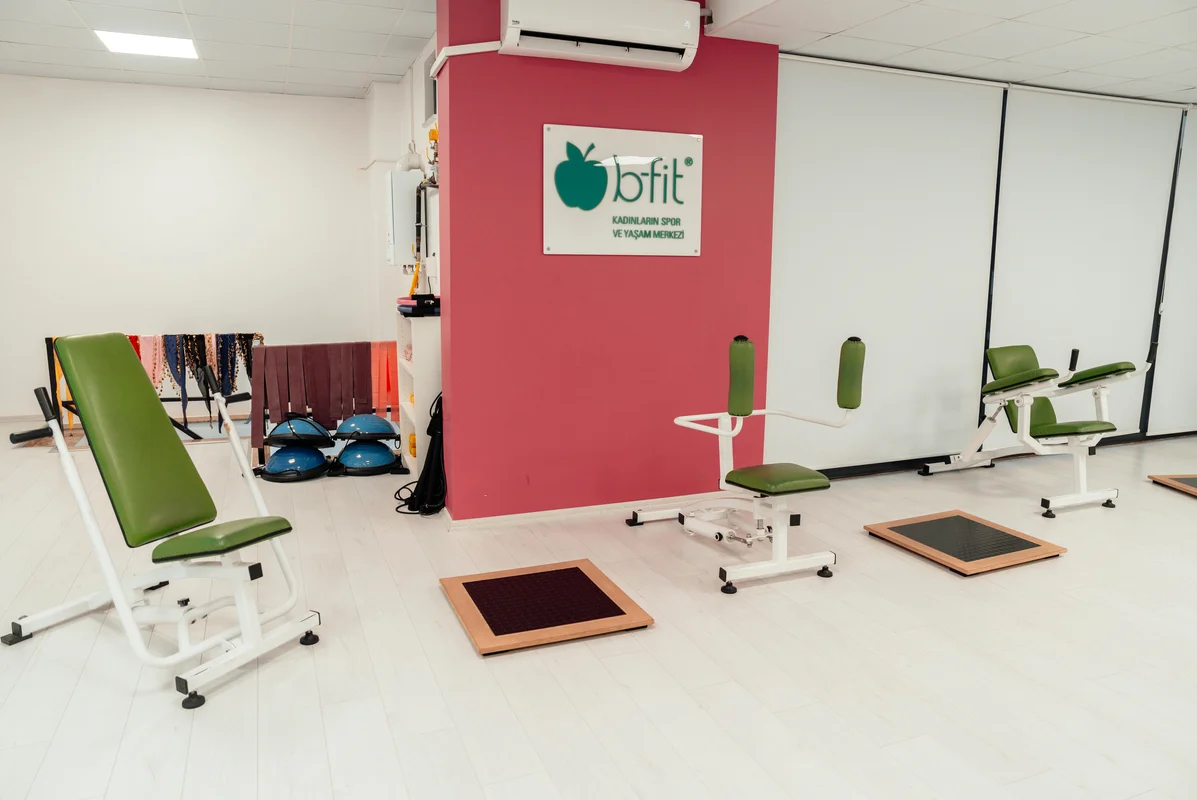
The Link Between Incontinence and Frailty
The connection between urinary incontinence and frailty in women is big. Urinary incontinence leads to less physical activity, which is a main factor in developing frailty. Research indicates that as women limit their movement due to fear of leakage, they become weaker and less stable, increasing the risk of falls and injuries. Incontinence can also add to other health issues. Women with urinary incontinence often experience social isolation, leading to declines in mental health and mental function. Savitha Krishnan, MD, emphasizes that social withdrawal can worsen physical decline, creating a cycle that is hard to break. The physical impact of incontinence can affect nearby muscle groups. Weak pelvic floor muscles can lead to weakness in the glutes and legs, further decreasing stability and increasing frailty risk. As noted by Patty Beers, PT, DPT, less leg strength can result in poorer balance, making falls more likely. Recognizing the link between these conditions is essential. Women should understand how managing urinary incontinence can reduce frailty risk. Taking steps to address incontinence can lead to better overall health and vitality as they age.Plans to Manage Urinary Incontinence
- Identify your symptoms: Track when and how often you experience leakage for one month. This will help pinpoint patterns and triggers.
- Consult a healthcare provider: Schedule an appointment with a urogynecologist within two weeks to discuss treatment options.
- Practice pelvic floor exercises: Start doing Kegel exercises daily for at least 10 minutes. Aim for three sets of 10 repetitions each day.
- Adjust your diet: Reduce caffeine and alcohol intake to see if symptoms improve within one month.
- Plan bathroom trips: Create a schedule for bathroom use every 2-3 hours. This can help retrain your bladder.

Exercises to Strengthen the Pelvic Floor
Strengthening the pelvic floor is essential for managing urinary incontinence. These exercises can help improve muscle tone and control, reducing leakage incidents. Kegel exercises are the most recommended for this purpose. They involve repeatedly contracting and relaxing the pelvic floor muscles to enhance strength and coordination. Regular practice of Kegel exercises can lead to big improvements. According to research, women who perform these exercises consistently can see a reduction in incontinence symptoms within about six weeks. This is key for maintaining mobility and reducing the risk of frailty. In addition to Kegels, other exercises can also support pelvic health. Squats and bridges help engage the pelvic floor while also strengthening nearby muscles. Incorporating these moves into a regular exercise routine can enhance overall stability and strength. Women should aim to include pelvic floor exercises in their daily routine. Consistency is key to seeing benefits. Over time, these exercises can help improve bladder control and overall health, reducing frailty risk.Final Thoughts
- Track your symptoms for one month: This helps identify triggers and patterns related to urinary incontinence.
- Consult a urogynecologist: Schedule an appointment within two weeks to discuss customizing treatment options.
- Start Kegel exercises daily: Aim for three sets of 10 repetitions to strengthen your pelvic floor muscles.
Frequently Asked Questions
What are the types of urinary incontinence?
There are two main types of urinary incontinence: stress urinary incontinence (SUI) and urge incontinence. SUI occurs when physical activities, like laughing or jumping, lead to leakage. According to the CDC, 60% of women in the US experience urinary incontinence. This happens due to weakened pelvic floor muscles from childbirth or hormonal changes. Women of all ages can experience these conditions, but they are more common in older women. Consulting a healthcare provider can provide effective treatment options.
How does urinary incontinence affect mobility?
Urinary incontinence can significantly limit mobility in women, particularly those over 60. Research indicates that avoidance of physical activities occurs due to fear of leakage. This limitation can lead to decreased strength and increased frailty risk. Women may feel embarrassed to engage in social situations, further isolating themselves. This condition affects many older women, making it essential to seek help. Regular pelvic floor exercises can help improve symptoms and enhance mobility.
Can pelvic floor exercises help with incontinence?
Yes, pelvic floor exercises, particularly Kegels, can help manage urinary incontinence effectively. Studies show that women performing these exercises consistently can see improvements within six weeks. Kegel exercises strengthen the pelvic floor muscles, enhancing bladder control. This is important for women, especially after childbirth or during menopause. Many women of all ages can benefit from these exercises. Start incorporating Kegels into your daily routine for better results. For background context, see Women in refrigerators on Wikipedia.