
What Causes the Khumbu Icefall Delay?
- Monitor weather patterns: Climbers should check weather forecasts daily. This helps anticipate changes that may impact ice stability.
- Assess ice conditions: Before starting the ascent, climbers must evaluate the icefall for large crevasses and unstable ice towers.
- Communicate with Icefall Doctors: Stay in contact with the Icefall Doctors. They provide vital updates on safe routes through the Khumbu Icefall.
- Limit ascent attempts: Plan to ascend only during established safe weather windows. This avoids delays caused by sudden changes in conditions.
Understanding the Risks of the Khumbu Icefall
The Khumbu Icefall is notorious for its deadly conditions. It is the most dangerous part of the Everest ascent. Crevasses, ice towers, and shifting ice create a treacherous place for climbers. As reported by the Sagarmatha Pollution Control Committee, climbers face a high risk of injury or worse when crossing this section. Pro Tip: In 2026, 40% of climbers faced delays due to the unpredictable Khumbu Icefall, according to Outside Magazine. This statistic highlights the urgency for climbers to remain vigilant. The unpredictability of the icefall means climbers must be prepared for sudden delays. Awareness of these risks allows climbers to assess their ascent options well. Climbers should also consider the psychological toll of crossing the icefall. The constant threat of ice collapse can lead to increased stress. This impacts decision-making. Understanding these risks is essential to improving safety and ensuring a successful climb.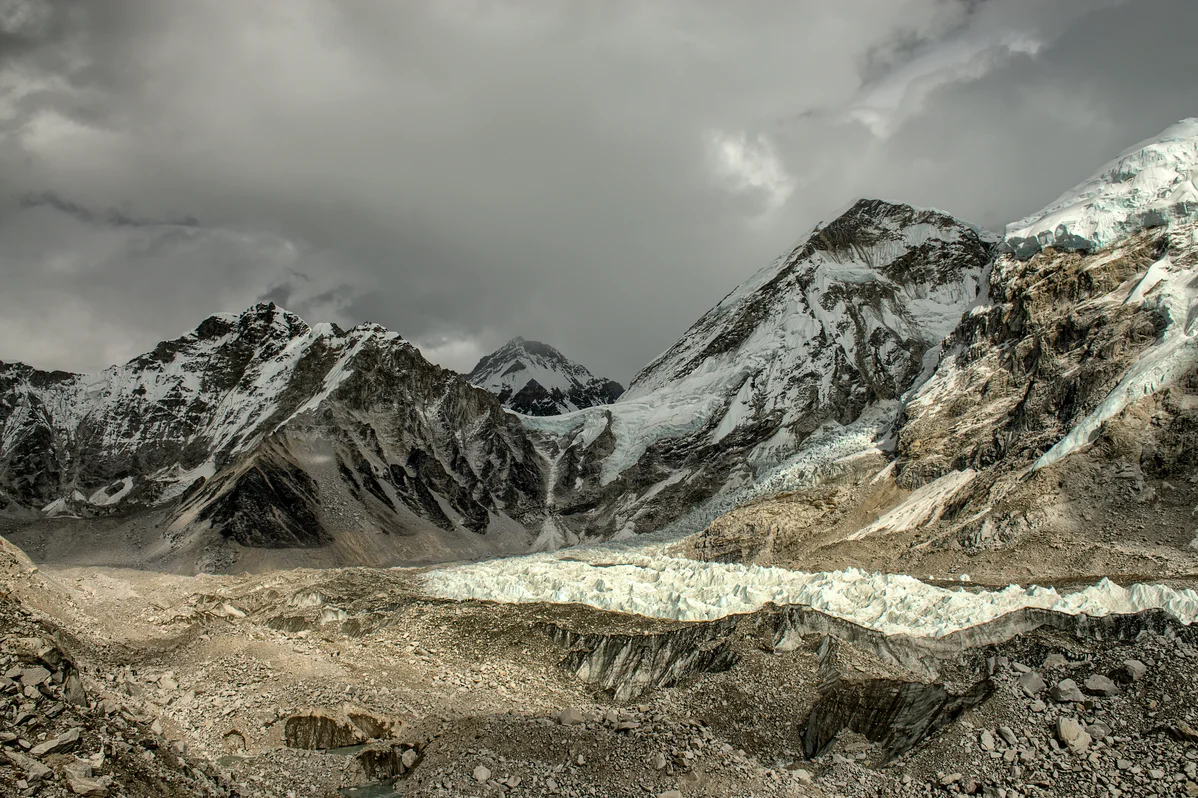
Impact of the Delay on Climbing Season
The delays caused by the Khumbu Icefall directly impact the climbing season on Everest. With only a few weeks of optimal conditions, every day lost to icefall dangers can derail plans. In 2026, many climbers found themselves waiting for safer conditions. This affected their overall schedules. These setbacks mean less time for climbers to acclimatize to the altitude. This raises their risk of altitude sickness. Climbers need to spend sufficient time at different elevations. This allows their bodies to adjust. When delays occur, this critical acclimatization process is often rushed. It jeopardizes climbers' health and safety. The delays can create a bottleneck effect on the mountain. As climbers wait to cross the icefall, more people are on the mountain at once. This increases the risk of accidents. This congestion can lead to dangerous situations for climbers attempting to summit.Safety Measures for Climbers in 2026
To combat the dangers of the Khumbu Icefall, climbers must adopt good safety measures. One key plan is to work closely with experienced guides. They understand the icefall's risks. Guides can help climbers assess conditions and make decisions about when to ascend. Climbers should carry safety gear, such as harnesses and ropes. This gear can be vital if a climber falls into a crevasse or encounters unstable ice. Regular training in crevasse rescue techniques further enhances safety. Another critical measure is to establish clear communication among team members. Keeping each other informed about conditions and individual progress can prevent accidents. Encouraging a culture of safety awareness helps ensure that everyone is vigilant about potential hazards.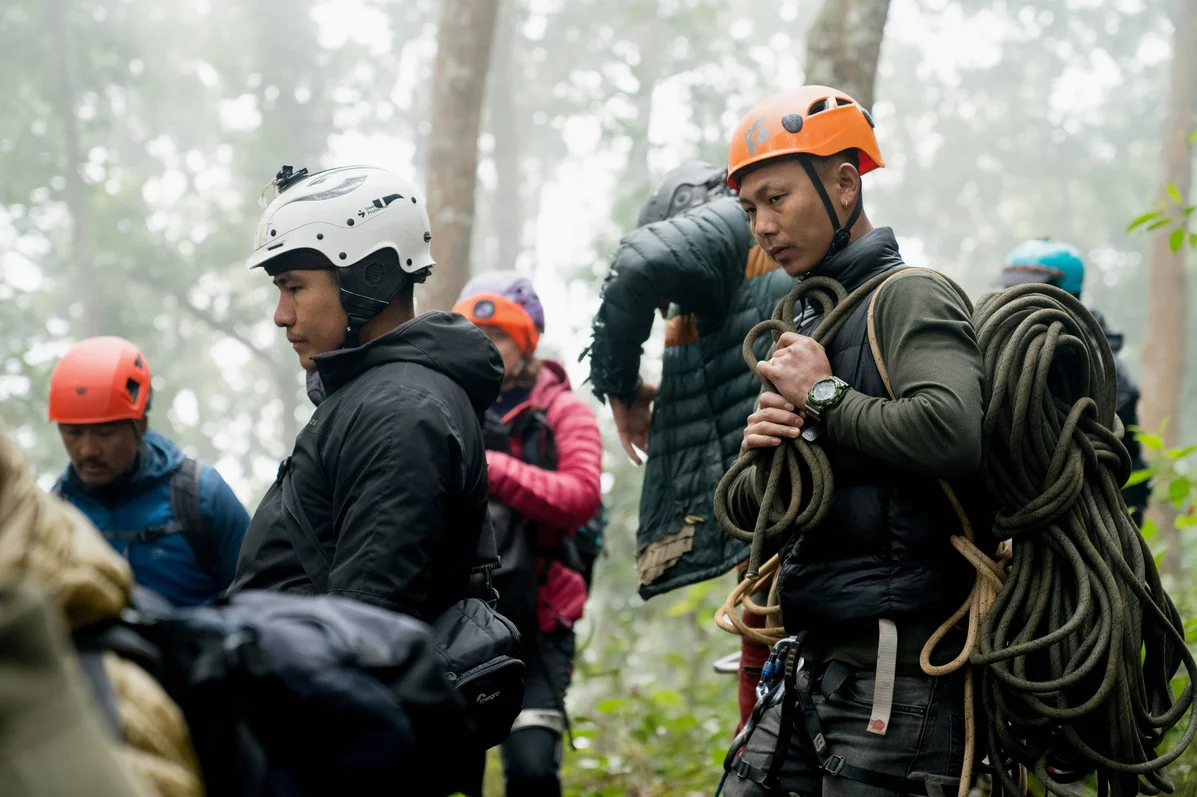
Expert Insights on Climbing Everest
Expert opinions on climbing Everest are essential for understanding the challenges climbers face. Jon Kedrowski, a climatologist and Everest guide, emphasizes that climbers must be prepared for the unpredictable nature of the Khumbu Icefall. He notes that “an icefall is like a frozen waterfall.” Its instability can create sudden dangers. In 2026, many climbers had to adapt their plans due to the delays caused by the icefall. Experts recommend that climbers remain flexible with their schedules. They should stay informed about the latest conditions. The climbing community also stresses the importance of mental preparation. Climbers must be ready for setbacks and adjust their expectations accordingly. This mindset can help reduce stress and improve overall performance during the climb. Finally, experts agree that teamwork is essential for crossing the icefall safely. Climbers should rely on one another for support and information. This collaboration can greatly enhance safety and success rates on Everest.Final Thoughts
- Assess your climbing gear: Ensure you have all necessary equipment well before your climb. This avoids last-minute purchases.
- Study weather patterns: Monitor forecasts for the Khumbu Icefall. This helps better plan your ascent and avoid delays.
- Communicate with your team: Establish clear communication protocols. This enhances safety during your climb.
Frequently Asked Questions
What is the Khumbu Icefall and why is it dangerous?
The Khumbu Icefall is the first section climbers face on their way to Everest's summit. It is known for its unstable ice and crevasses, which pose significant risks. The Sagarmatha Pollution Control Committee reported it as the deadliest section of the ascent. As the glacier moves, ice towers can collapse without warning, making crossing perilous. This affects all climbers attempting to cross it, especially during peak season. Climbers should always assess conditions before attempting to cross.
How does the Khumbu Icefall delay affect climbers?
Delays in the Khumbu Icefall can significantly impact climbers' ascent plans. In 2026, 40% of climbers faced delays due to unstable ice conditions, according to Outside Magazine. This unpredictability can lead to rushed acclimatization and increased altitude sickness risk. Such delays affect climbers aiming for a summit during the limited weather window in May. Climbers must prepare for potential delays and adjust their plans accordingly. Keeping informed about conditions can help mitigate these risks.
When is the best time to climb Everest?
The best time to climb Everest is typically in May when weather conditions are most stable. Experts recommend this month for optimal climbing conditions, as it offers clearer skies and less wind. Data from Outside Magazine indicates that many successful summits occur during this period. Climbers can take advantage of the relatively calm weather to cross challenging sections like the Khumbu Icefall. Proper planning around this timeframe can improve success rates significantly. Monitoring weather updates is essential for climbers planning their ascent. For background context, see 1996 Mount Everest disaster on Wikipedia.