
1. Overview of the 2026 Khumbu Icefall Route
The Khumbu Icefall route 2026 has undergone big changes. The Icefall Doctors, responsible for establishing the climbing path, completed their work just before the season. This year, the route up to Camp I at 19,900 feet and Camp II at 21,300 feet is open. This opening allows climbers to begin their acclimatization hikes. Climbers can expect to face the challenges of the Icefall. The Icefall is known for its shifting ice and crevasses. The route's completion means climbers can now begin to adjust to the high altitude. They can prepare for their summit attempts. Expedition operators have mobilized over 400 climbers, along with Sherpa support teams, to take advantage of the newly opened route. The Icefall route's opening is a key milestone in the climbing season. It allows climbers to begin their journey. They must still contend with the risks of the Icefall. With careful planning and respect for the mountain, climbers can maximize their feel this year.2. Safety Concerns: The Risks of the Icefall
Safety remains a top concern for climbers on the Khumbu Icefall route 2026. A significant risk comes from a large, unstable serac. This serac looms over the established path. It is 180 feet wide and 90 feet tall. It has cracks that could lead to collapse at any moment. Pro Tip: In 2026, over 400 climbers are set to tackle the Khumbu Icefall route, but safety risks persist due to a large, unstable serac, as noted by the Sagarmatha Pollution Control Committee. The Sagarmatha Pollution Control Committee (SPCC) has reported that this serac forced the Icefall Doctors to reconsider their route. They waited for conditions to improve before finally proceeding. However, sections of the serac still pose a threat to climbers. Safety measures have been established to minimize risks. These measures include moving quickly through the area and limiting loads for high-altitude guides. Climbers must be aware of the dangers present in the Icefall. They should adhere to safety protocols. By following the recommended guidelines, climbers can reduce contact time and increase their chances of safely traversing this treacherous section.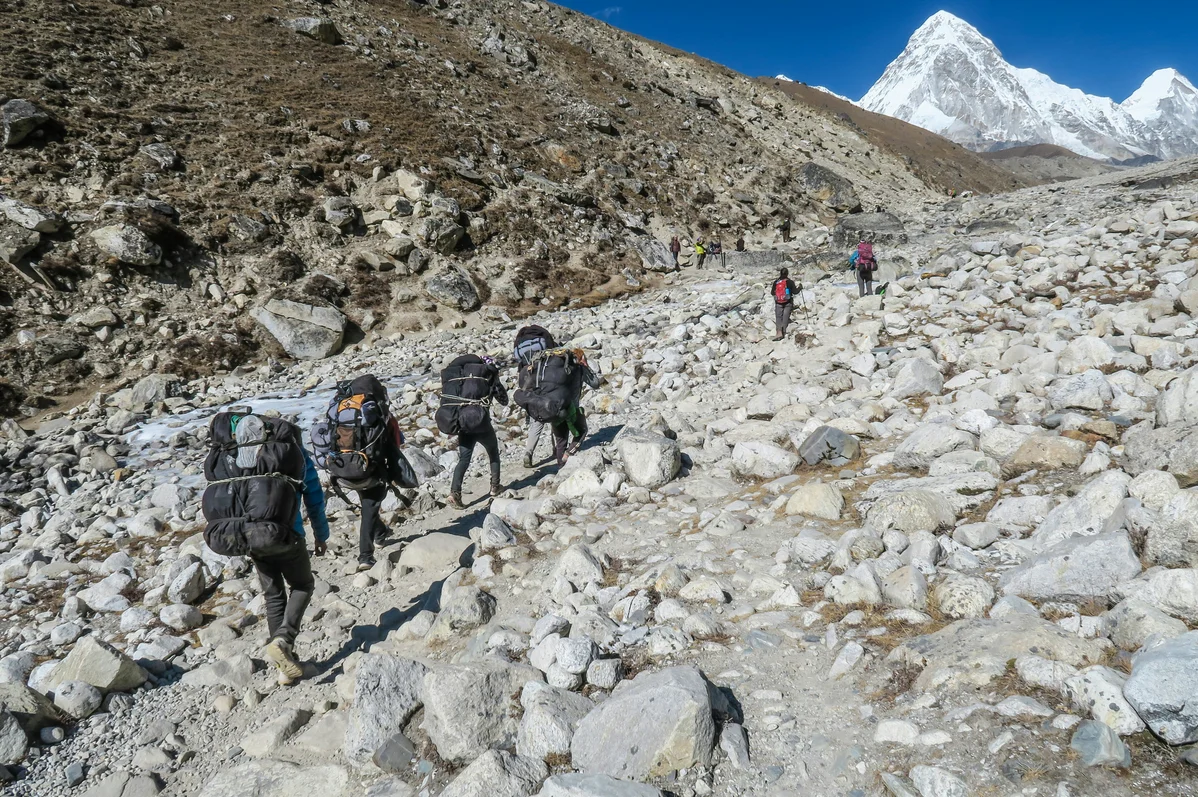
3. Acclimatization Steps for Climbers
Acclimatization is a vital process for climbers on the Khumbu Icefall route 2026. As climbers ascend from Base Camp, they must allow their bodies to adjust to the thinning air. This adjustment helps prevent altitude sickness, which can be life-threatening. Climbers typically ascend to Camp I. They spend a few nights there to acclimatize. This step is key for building the necessary red blood cells that help transport oxygen in the body. After acclimatizing at Camp I, climbers usually make a second ascent to Camp II. There, they can further acclimatize before their summit attempt. The climbing season will see climbers joining in multiple rotations. They will ascend and then descend to Base Camp. This process helps their bodies adjust gradually to the altitude. Good acclimatization increases the chances of a successful summit attempt. Proper acclimatization can determine success or failure on Everest. Each climber should carefully plan their ascent. They should listen to their bodies during this critical phase.4. Role of the Icefall Doctors in Route Safety
- Assess the route: Icefall Doctors evaluate the safest path through the Khumbu Icefall. They consider current conditions.
- Fix ropes: They secure ropes along the route to aid climbers. They complete this task by late April 2026.
- Monitor conditions: Constant monitoring of the serac and icefall is essential. This monitoring ensures climber safety.
- Implement safety measures: They enforce guidelines. These guidelines include limiting loads and ensuring only one person uses a ladder at a time.
- Communicate risks: Icefall Doctors share information about potential dangers. This sharing helps climbers assess their options.
5. What to Expect During the Climbing Season
The 2026 climbing season on the Khumbu Icefall route promises excitement and challenges. With over 400 climbers expected at Base Camp, the atmosphere will be lively. Climbers will engage in acclimatization hikes. They will move between camps to prepare for their summit attempts. As the season progresses, climbers will need to adapt to changing weather conditions. Weather on Everest is notoriously unpredictable. Climbers must be ready for sudden changes. Ensuring proper gear and flexibility in their plans will be essential. Climbers should be prepared for the mental challenges of high-altitude climbing. The combination of physical exertion and altitude can test even the most seasoned climbers. Having a strong mental approach and a solid support system is important for success. Overall, the 2026 climbing season offers climbers the chance to test their limits. Proper planning, awareness of safety protocols, and good acclimatization will be vital for anyone attempting to conquer Everest this year.Final Thoughts
- Understand safety measures before climbing: Familiarize yourself with the risks of the Khumbu Icefall route to prepare adequately.
- Plan your acclimatization schedule: Ensure you have a detailed plan for acclimatization to improve your chances of success.
- Stay flexible during your climb: Be prepared to adapt to changing weather conditions and unforeseen challenges on the route.
Frequently Asked Questions
How is the 2026 Khumbu Icefall route different?
The 2026 Khumbu Icefall route has been adjusted due to safety concerns regarding a large serac. The Sagarmatha Pollution Control Committee noted this serac is 180 feet wide and 90 feet tall. The Icefall Doctors had to find a safe path beneath it, which delayed the opening. Climbers must be cautious as the serac could collapse at any moment. This affects over 400 climbers preparing to ascend this season. To stay safe, climbers should follow all recommended safety protocols.
What safety measures are in place for climbers in 2026?
For the 2026 climbing season, climbers must follow strict safety measures while traversing the Khumbu Icefall route. The Sagarmatha Pollution Control Committee requires climbers to move quickly through dangerous sections. Only one person is allowed on a ladder at a time to minimize risk. These measures are in place due to the instability of the serac, which poses a significant threat. All climbers should pay attention to these protocols to ensure their safety. Familiarizing yourself with these rules before climbing is essential for success.
Why is acclimatization important for Everest climbers?
Acclimatization is vital for Everest climbers to avoid altitude sickness and ensure their safety. Proper acclimatization helps the body adjust to reduced oxygen levels at high altitudes. Research from the Sagarmatha Pollution Control Committee highlights that climbers should spend several nights at Camp I before moving higher. This process is essential for building red blood cells, which transport oxygen. It affects all climbers attempting to summit Everest this season. Climbers should plan their acclimatization schedule carefully to maximize success. For background context, see Khumbu Icefall on Wikipedia.