
1. What Is Considered a Normal Testosterone Level?
Normal testosterone levels vary widely among individuals. Healthy testosterone levels range from 264 to 1000 ng/dL. Factors such as age, health, and individual biology play a big role in these numbers. For instance, testosterone levels generally decline about 1.6% each year after age 30. This gradual decline is a natural part of aging. It affects how men feel and function. Low testosterone isn't simply defined by a number. According to Dr. Paul Gittens, a board-certified urologist, how a person feels matters more than the actual number. He emphasizes that some men with levels at the lower end of the normal range can feel perfectly fine. Others may struggle with symptoms at higher levels. This subjective experience highlights the importance of considering symptoms alongside testosterone test results. Testosterone levels fluctuate throughout the day. They often peak in the morning. A single test might not accurately reflect a man's typical testosterone levels. Doctors usually recommend testing at the same time of day for consistency. Understanding these details helps men better interpret their test results. It also helps them consider their overall health.2. Factors That Affect Testosterone Levels
Several factors influence testosterone levels. Understanding these can provide insights into managing men's health. Age is a primary factor. Levels naturally decline as men get older. Other significant influences include body weight and lifestyle choices. Obesity, in particular, is linked to lower testosterone levels. Leptin, a hormone from fat cells, can inhibit testosterone production. This leads to a vicious cycle of declining health. Pro Tip: Testosterone levels can fluctuate by over 30% during the day. Timing your test can greatly impact results, according to the Journal of Clinical Endocrinology (2023). Chronic health issues also play a role. Conditions such as diabetes, hypertension, and thyroid disorders can lower testosterone levels. Medications, especially opioids and chemotherapy drugs, can also negatively affect testosterone production. Recognizing these factors can help men make lifestyle changes that support healthier testosterone levels. Stress and sleep quality are additional factors that shouldn't be overlooked. Chronic stress can lead to elevated cortisol levels. This may inhibit testosterone production. Meanwhile, poor sleep can disrupt hormone regulation. It further contributes to low testosterone levels. Addressing these lifestyle factors can greatly impact overall hormone health.
3. Symptoms of Low Testosterone
Low testosterone can manifest in various physical and emotional symptoms. Common signs include fatigue, weight gain, and decreased libido. Men may also experience mood swings, depression, and difficulty concentrating. These symptoms can greatly impact daily life and overall well-being. Research indicates that about 39% of men over 45 report some symptoms of low testosterone (Mayo Clinic, 2023). This highlights the need for awareness among men, especially as they age. Low testosterone can also lead to decreased muscle mass and bone density. This increases the risk of fractures and injuries. Dr. Justin Dubin, a urologist, notes that low testosterone doesn't always require treatment. Some men may feel fine even with levels below 264 ng/dL. However, if symptoms are present, it's vital to discuss them with a healthcare provider. They can help determine if testosterone replacement therapy or other interventions are appropriate. Recognizing the symptoms of low testosterone is the first step toward improving health. Men should monitor their feelings and physical changes, especially as they age. Seeking help when needed can lead to better management of symptoms and improved quality of life.4. How Is Testosterone Tested?
- Schedule your appointment: Contact your healthcare provider to arrange a testosterone test in the morning for better accuracy.
- Prepare for the test: Avoid food and drink for at least eight hours before testing to ensure accurate results.
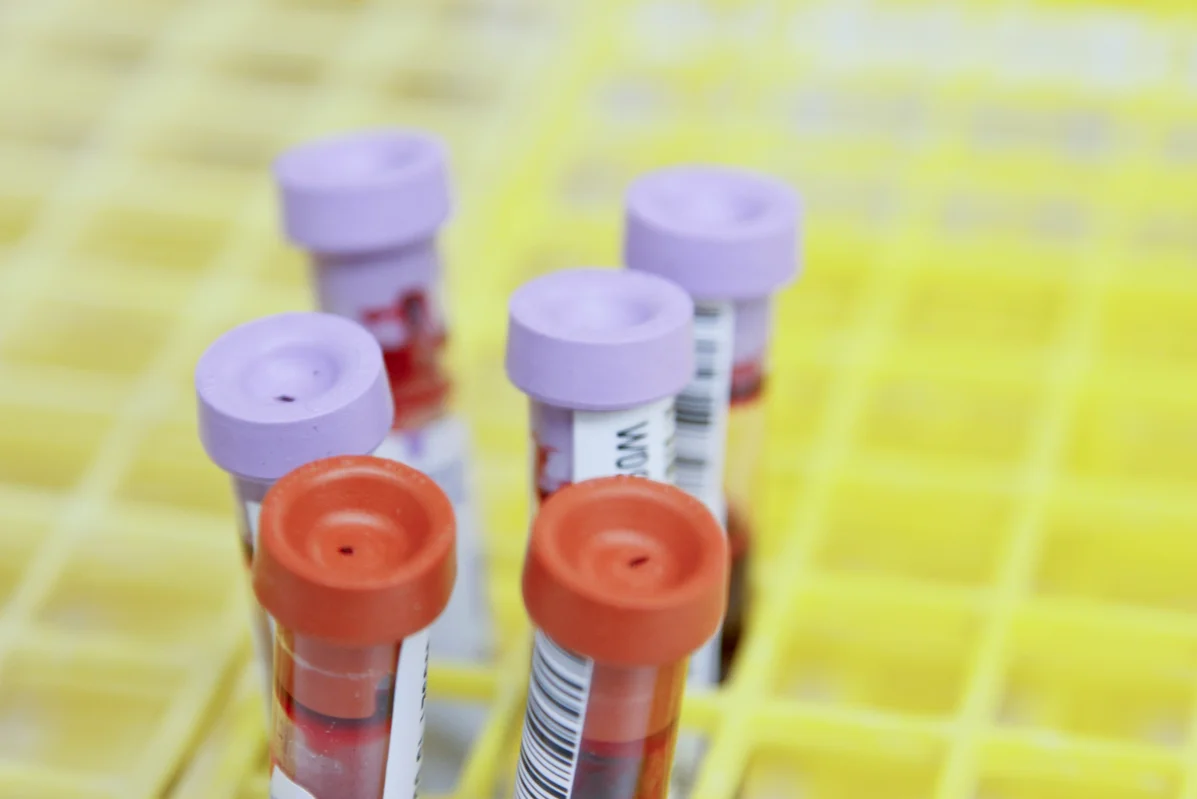
- Get tested: A healthcare professional will draw blood, typically from your arm, to measure testosterone levels.
- Understand the results: Your doctor will explain what your testosterone levels mean based on the normal range of 264 to 1000 ng/dL.
- Discuss symptoms: Talk to your doctor about any symptoms you may have. This can influence treatment decisions.
- Follow up: If your levels are low, schedule a follow-up appointment to discuss potential treatment options.
5. Treatment Options for Low Testosterone
Treatment for low testosterone often begins with lifestyle changes. Healthy eating, regular exercise, and weight loss can help improve testosterone levels naturally. For some, these changes may be all that's needed to restore hormonal balance. However, if symptoms persist, testosterone replacement therapy (TRT) may be considered. TRT can be administered through injections, gels, or patches. According to the Mayo Clinic, TRT is a common treatment for men with low testosterone levels. It can help alleviate symptoms like fatigue, depression, and decreased libido. Despite its benefits, TRT isn't without risks. Men should discuss potential side effects with their healthcare provider. These may include increased risk of blood clots, sleep apnea, and prostate issues. A thorough evaluation is essential before starting treatment. The decision to pursue testosterone therapy should be based on symptoms, test results, and individual health circumstances. Maintaining open communication with healthcare providers ensures the best outcomes.Final Thoughts
- Monitor your health: Keep track of your symptoms. Discuss any concerns with your doctor to ensure proper evaluation.
- Get tested: Schedule a testosterone test in the morning to accurately assess your hormone levels, ideally within two weeks.
- Consider lifestyle changes: Implement a balanced diet and regular exercise to support healthy testosterone levels starting today.
Frequently Asked Questions
What are the symptoms of low testosterone?
Fatigue is a common symptom of low testosterone. About 39% of men over 45 report fatigue related to low testosterone levels (Mayo Clinic, 2023). Low testosterone can lead to decreased libido and muscle mass. This happens as testosterone is key for energy and muscle maintenance. Men experiencing these symptoms should consult a healthcare provider. Engaging with a doctor can lead to appropriate treatment options.
How is testosterone level tested?
Testosterone levels are typically measured through a blood test. Blood samples are usually taken in the morning when levels are highest. According to the American Urological Association, testing should be done on two separate days for accuracy. This ensures that fluctuations don’t lead to misdiagnosis. Men experiencing symptoms should consider testing their levels. A simple conversation with a healthcare provider can initiate this process.
Can testosterone levels fluctuate throughout the day?
Yes, testosterone levels can fluctuate significantly throughout the day. Studies show that levels can change by over 30% at different times (Journal of Clinical Endocrinology, 2023). This variation is why morning tests are recommended for accuracy. Fluctuating levels can affect how symptoms are perceived during the day. Men should be aware of these changes when discussing their health. Understanding this can help in planning testing effectively. For background context, see Testosterone on Wikipedia.