
Using the right grip can change your workout results significantly. Research shows that grip orientation affects muscle engagement and overall gains. This is especially true when comparing pronated vs supinated grips. Understanding how these grips work helps you maximize your training sessions.
Choosing the right grip leads to better strength gains and improved performance. Lifters often overlook this detail. However, it can make a big difference in how you train different muscle groups. This guide clarifies how grip variations impact your workout outcomes.
1. Understanding Pronated and Supinated Grips
Pronated and supinated grips are two common hand positions used in weightlifting. A pronated grip, also known as an overhand grip, has palms facing down. This grip is often used in exercises like pull-ups and deadlifts. In contrast, a supinated grip, or underhand grip, has palms facing up. This grip is typically used in chin-ups and bicep curls. The choice between these grips affects how well you target specific muscles during your workouts.
Another grip variation is the mixed grip, where one hand is pronated and the other is supinated. This grip is popular among deadlifters because it helps maintain grip security during heavy lifts. There is also a neutral grip, where both palms face each other, used in exercises like hammer curls. Each grip has its own benefits and applications that can enhance your overall training.
Understanding these grips is key for maximizing your workout gains. The way you hold weights changes which muscles are worked. For example, using a supinated grip during curls targets the biceps more than a pronated grip. If you want to build bigger biceps, you might opt for a supinated grip. If you aim to strengthen your back, a pronated grip would be more effective.
Knowing the differences between pronated and supinated grips helps you choose the right grip for each exercise, improving your performance and achieving your fitness goals more efficiently.
2. How Grip Orientation Affects Muscle Targeting
The orientation of your grip significantly affects the muscles you engage during a workout. For instance, when you use a pronated grip in a bent-over row, you primarily target your back muscles. This grip emphasizes the latissimus dorsi and rhomboids. Switching to a supinated grip in the same exercise involves the biceps more. This can help you lift heavier weights because the biceps assist in pulling.
The difference in muscle activation is also evident in pull-ups versus chin-ups. Pull-ups, done with a pronated grip, focus heavily on the back and shoulders. Chin-ups, performed with a supinated grip, recruit more biceps. This shift in focus allows you to adapt your workouts based on your goals. If you're aiming for bigger biceps, chin-ups might be a better choice.
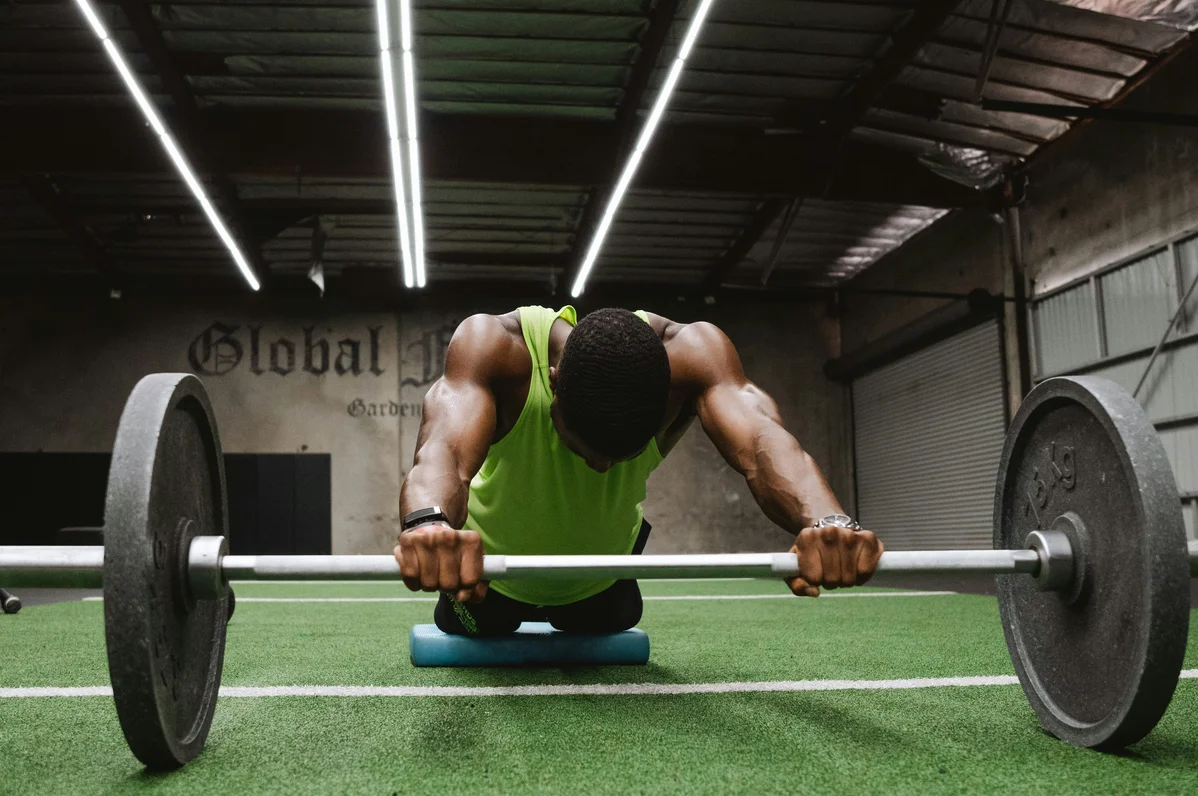
Grip orientation also affects how your muscles develop over time. Using different grips can prevent plateaus in your training. For example, if you've stalled on pull-ups, switching to chin-ups can challenge your muscles in new ways. This change forces your body to adapt and grow stronger. This principle applies to many exercises, making grip variation a useful tool for progress.
Understanding how grip orientation affects muscle targeting allows you to tailor your workouts for specific goals. By experimenting with different grips, you can enhance your muscle engagement and make strides in your strength training.
3. Benefits of Using an Alternated Grip
The alternated or mixed grip is a strong option for lifters, especially during heavy lifts like deadlifts. This grip helps prevent grip failure, which is a common issue when lifting heavy weights. With one hand in a pronated grip and the other in a supinated grip, lifters can maintain better control of the bar. This can lead to improved performance and fewer missed lifts.
Using an alternated grip can also help you lift more weight. Research indicates that many lifters can pull heavier loads using this grip. The additional support from the biceps in the supinated hand allows for a more secure hold. This grip can be particularly useful for athletes looking to maximize their strength during compound lifts.
However, use the alternated grip with caution. Lifters should be aware that it may lead to muscle imbalances. For example, the biceps on the supinated side may become stronger than those on the pronated side. To combat this, it's a good idea to alternate the grip position with each set or workout.
The mixed grip offers unique advantages, especially for heavy lifters. It can boost performance and help lifters overcome plateaus. By incorporating this grip into your routine, you can enhance your training outcomes and achieve your fitness goals.
The Role of Grip Strength in Heavy Lifts
Grip strength is a key factor in maximizing your performance in heavy lifts. Many lifters find that their grip fails before their muscles do. This often happens during compound exercises, such as deadlifts and bench presses. A weak grip can limit your ability to lift heavier weights and achieve your fitness goals.
To improve grip strength, incorporate specific exercises into your routine. Exercises like farmer's walks, static holds, and dead hangs help build grip endurance. These exercises target the muscles in your forearms, hands, and fingers, which are crucial for maintaining a strong grip during lifts.
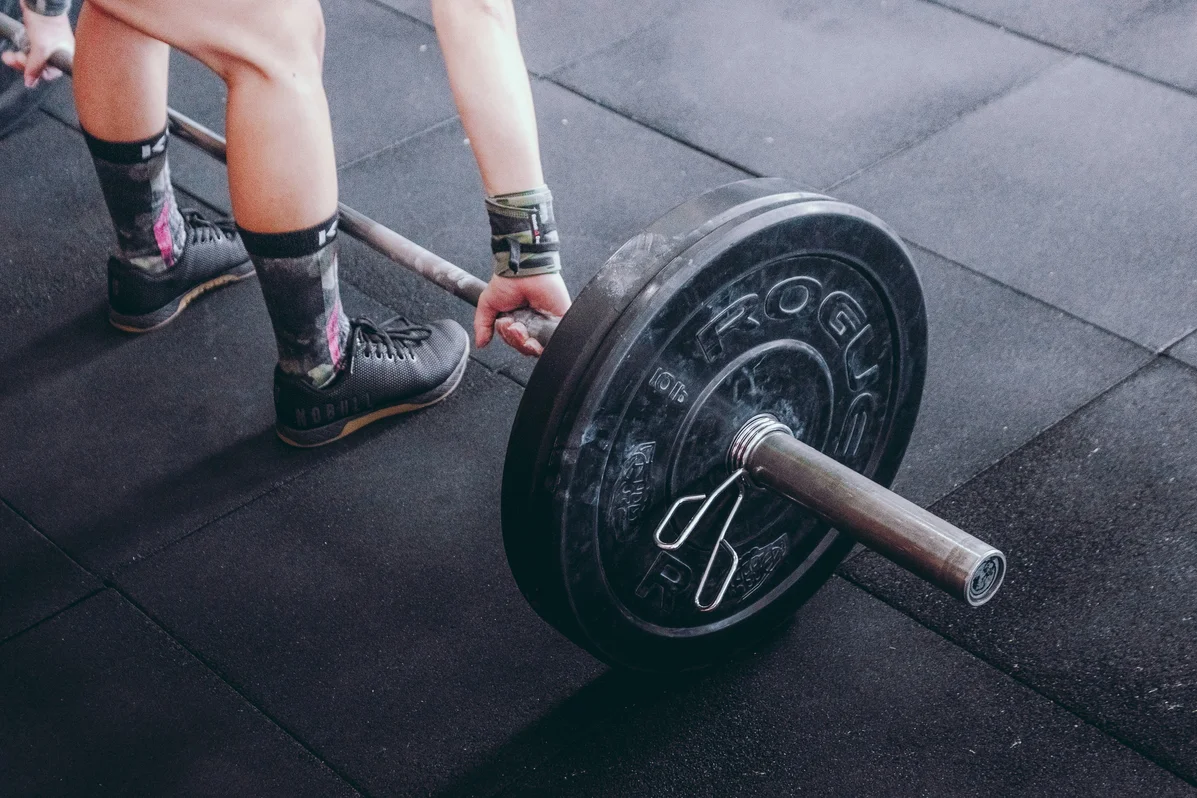
Using a mixed grip during heavy lifts can help improve grip strength. The extra support from the supinated hand can help you lift heavier weights. This benefits your grip and enhances overall muscle development. As you increase the weight, your grip will become stronger, allowing for better performance in future workouts.
Grip strength is essential for success in heavy lifting. By focusing on building grip strength through targeted exercises and incorporating different grip styles, you can boost your overall performance. Stronger grip strength enables you to lift heavier weights and achieve your fitness goals.
5. Choosing the Right Grip for Your Goals
Selecting the right grip for your training goals optimizes your workout gains. If your primary focus is building bicep strength, a supinated grip is more effective. This grip allows for greater bicep engagement during curls and chin-ups. Conversely, if your goal is to strengthen your back and shoulders, a pronated grip is the better choice.
For lifters focused on powerlifting or heavy lifting, experimenting with a mixed grip can be beneficial. This grip helps maintain your hold on the bar during demanding lifts. If grip strength is your limiting factor, consider using the mixed grip as you work on improving your grip endurance.
Incorporating a neutral grip can also be valuable. This grip reduces strain on the wrists and can be a good option for individuals with wrist discomfort. It's commonly used in exercises like hammer curls, where both palms face each other.
Success lies in listening to your body and adapting your grips based on your needs. Whether you prefer pronated, supinated, or mixed grips, each has its unique advantages. By choosing the right grip for your specific goals, you can enhance your training and achieve better results.
Final Thoughts
- Incorporate grip variations into your workouts at least once a week.
- Experiment with different grips to target various muscle groups effectively.
- Consider using a mixed grip for heavy lifts to improve grip strength.
- Focus on grip strength exercises to avoid grip failure during heavy lifts.
- Adjust your grip based on your specific workout goals for maximum gains.
- Include a neutral grip option for exercises if you experience wrist discomfort.
- Track your progress with each grip to see which works best for you.
What is the difference between pronated and supinated grips?
Pronated grips involve palms facing down, while supinated grips have palms facing up, affecting muscle engagement.
How does grip orientation affect my workout gains?
Grip orientation influences which muscles are targeted during exercises and can enhance strength development.
Can I use a mixed grip for deadlifts?
Yes, many lifters use a mixed grip for deadlifts as it can improve grip security when lifting heavier weights.