
1. Effective Lifestyle Changes for Perimenopause Relief
Many women find lifestyle changes key for managing perimenopause symptoms. Kelly Kaufman, 47, emphasizes the importance of self-care. She started doing Pilates four days a week to address body aches and weight gain. "It has helped tremendously in keeping me somewhat in shape," she says. Pilates helps with physical fitness and provides mental clarity, making it a valuable part of her routine. Dr. Heather Hirsch, a menopause specialist, highlights that estrogen fluctuations during perimenopause can lead to muscle loss and joint issues. These changes increase the risk of injuries. Pilates helps restore muscle tone, reducing injury risk and supporting metabolism. Layering strength training with heavier lifting can further enhance muscle health. Kelly's experience shows that focusing on movement can make a substantial difference. Making small yet impactful changes in daily habits can lead to big results. Prioritizing physical activity can improve strength and mental well-being. Women experiencing symptoms should consider these lifestyle adjustments as potential solutions.2. The Role of Exercise in Alleviating Symptoms
Exercise is central to relieving perimenopause symptoms. Many women, like Kelly, report significant improvements in their overall well-being through regular activity. Exercise boosts mood and energy levels, helping to combat feelings of fatigue and irritability. It also aids in weight management, which can be a challenge during this phase. Michelle Cardel, a registered dietitian, shares her approach to exercise. She incorporates strength training and yoga into her routine. This combination supports muscle growth and promotes flexibility and balance, essential for preventing injuries. Weightlifting helps counteract muscle loss caused by hormonal changes. Dr. Hirsch notes that physical activity can enhance insulin sensitivity, which is key for managing weight during perimenopause. Women should aim to include a mix of cardiovascular, strength, and flexibility exercises in their routines. This well-rounded approach can lead to better health outcomes and symptom relief. Regular exercise can help women feel more in control of their bodies during this transitional period.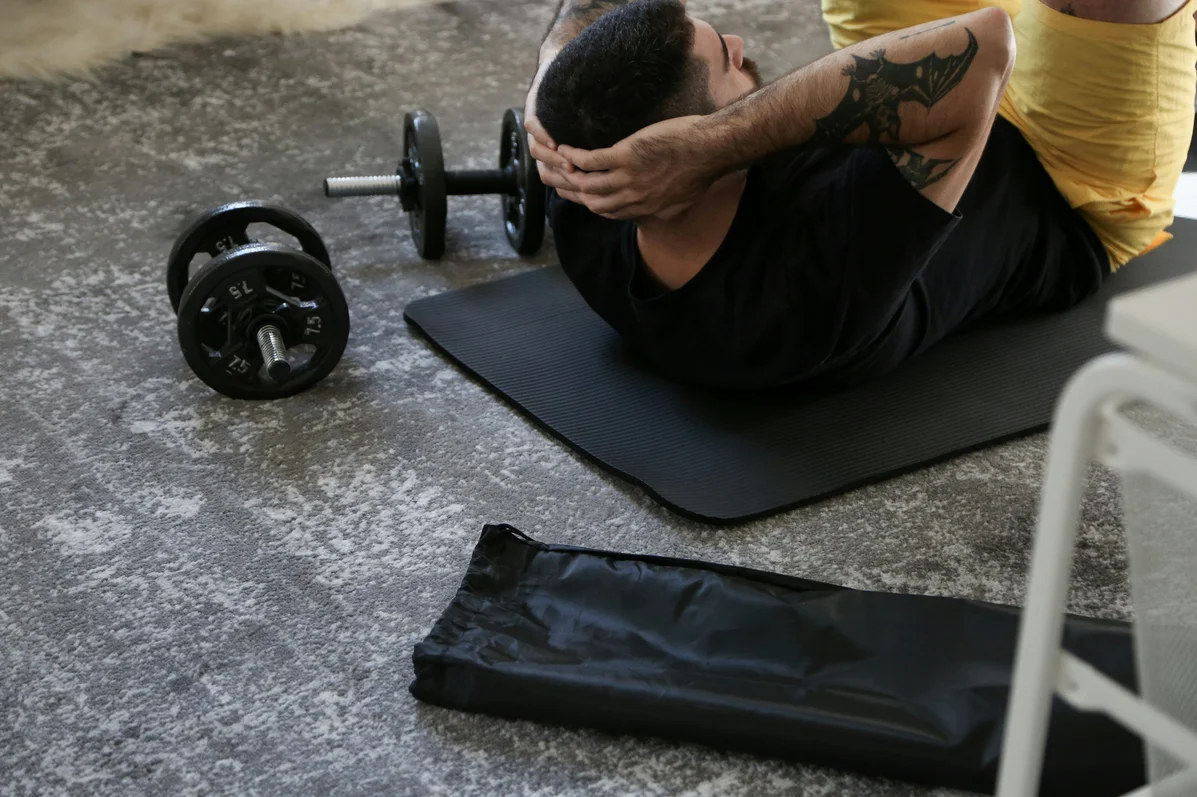
3. Nutrition Tips to Manage Perimenopause
Nutrition plays a key role in managing perimenopause symptoms. Michelle Cardel transformed her diet after noticing weight gain and brain fog. She began prioritizing protein and fiber. Increasing protein intake supports muscle mass and metabolism, while fiber helps stabilize blood sugar. Dr. Hirsch emphasizes that estrogen decline affects how the body processes glucose and fat. By focusing on nutrient-dense foods, women can combat weight gain and reduce feelings of sluggishness. Michelle also added healthy fats, like omega-3s, to her diet to curb inflammation and boost brain health. This focused approach helped her regain energy and improve sleep quality. Staying hydrated is another essential aspect of nutrition during this phase. Drinking more water can alleviate bloating and enhance overall health. Women should aim for a balanced diet rich in fruits, vegetables, whole grains, and lean proteins to support their well-being during perimenopause.4. How Hormone Therapy Can Help You
Hormone therapy (HT) can offer significant relief for women experiencing severe perimenopause symptoms. Many women find that this medical intervention helps manage hot flashes, night sweats, and mood swings. It can also protect against bone loss, a concern during this transitional phase. Dr. Hirsch explains that hormone therapy can be tailored to individual needs. Women can work with their healthcare providers to explore options that best suit their symptoms. For some, using an estrogen patch or taking progesterone can dramatically improve quality of life. However, it’s essential to discuss the potential risks and benefits with a doctor first. Women like Michelle have found hormone therapy to be a significant improvement. After starting treatment, she reported feeling like herself again. It’s a valuable option for those who struggle to find relief through lifestyle changes alone. Hormone therapy can provide a path to better health and comfort.
5. Personal Stories of Symptom Relief
Personal experiences can illuminate effective ways to navigate perimenopause. For Kelly, Pilates was a gateway to better health. It helped her physically and offered a mental break, something necessary during challenging times. She encourages women to find an activity they enjoy, as it can make a significant difference. Michelle’s journey highlights the benefits of nutrition and exercise. After revamping her diet and adding regular workouts, she noticed improvements in her mood and energy. She advises others to focus on small, manageable changes rather than overwhelming shifts. This approach can make the process feel less daunting. Each woman's story reinforces the importance of self-advocacy. Listening to your body and trying different strategies can lead to discovering what works best. Women experiencing perimenopause should share their experiences and seek support from healthcare providers or local groups. This sense of community can provide encouragement and valuable insights.Final Thoughts
- Consider starting a regular exercise routine to boost mood and energy.
- Focus on a balanced diet rich in protein and fiber for better health.
- Discuss hormone therapy options with your healthcare provider for severe symptoms.
- Stay hydrated to help reduce bloating and improve overall well-being.
- Incorporate stress management techniques, like yoga or meditation, into your routine.
- Listen to your body and adjust your lifestyle as needed for comfort.
- Connect with support groups to share experiences and learn from others.
Frequently Asked Questions
How can lifestyle changes help manage perimenopause symptoms?
Lifestyle changes such as regular exercise, a balanced diet, and stress management can significantly alleviate perimenopause symptoms.
What exercises are best for relieving perimenopause symptoms?
Exercises like Pilates, yoga, and strength training can help relieve joint pain and improve overall well-being during perimenopause.
Is hormone therapy effective for perimenopause symptoms?
Yes, hormone therapy can be effective for managing severe perimenopause symptoms, but it’s important to consult a healthcare provider. For background context, see Relief on Wikipedia.