1. Common Scalp Issues After Shaving
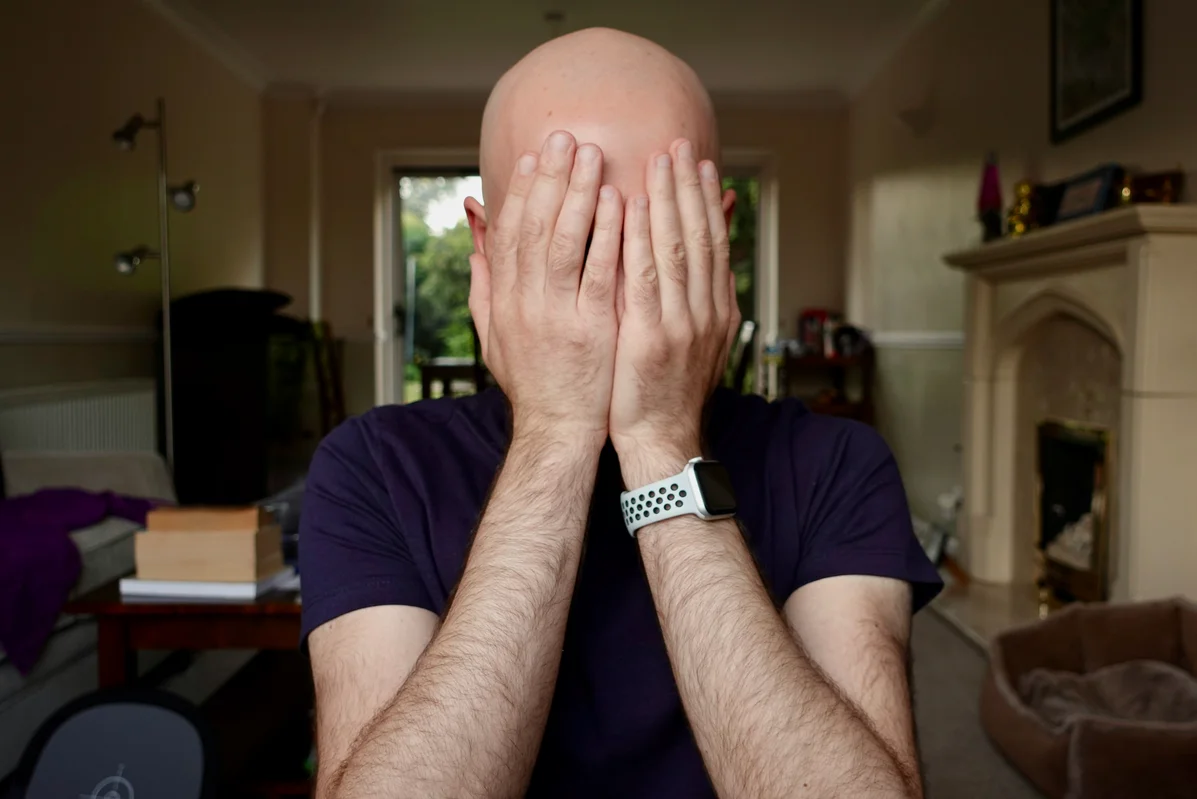
Many bald men face scalp issues after shaving. Folliculitis is a common problem. It is characterized by small red bumps that appear shortly after shaving. This condition happens when hair follicles become irritated or inflamed. Dermatologists report that the main causes are shaving too hard, using dull blades, or shaving dry. Another issue is scalp acne, which has become increasingly common. A 2023 report from Spate revealed a 650% increase in searches related to scalp acne. This spike indicates that many men struggle with acne on their shaved heads. The condition arises when oil and dead skin cells clog hair follicles. This leads to breakouts. Lastly, ingrown hairs can occur after shaving. These painful bumps happen when hair curls back into the skin instead of growing outward. They can be especially bothersome for those who shave closely with a razor. Recognizing these issues is essential for good scalp care for bald men.2. How to Prevent Folliculitis
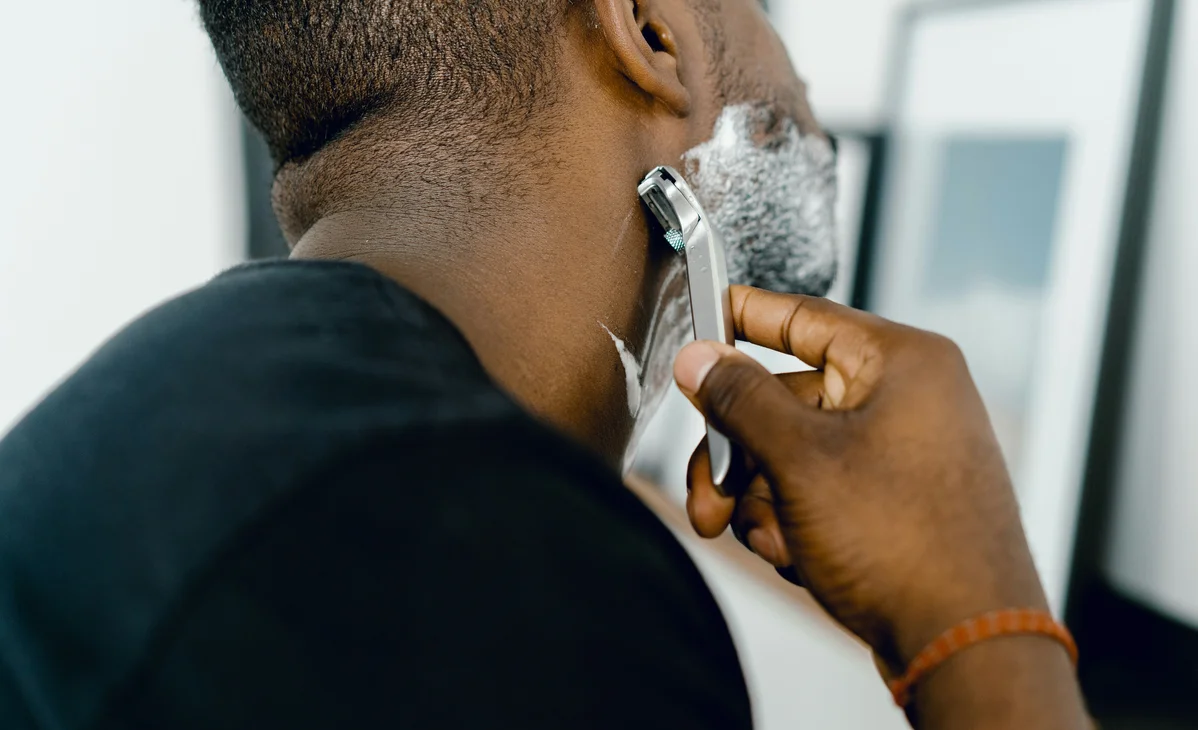
- Shave in the right direction: Always shave with the grain of your hair. This method reduces irritation and helps prevent folliculitis.
- Use a sharp blade: Replace dull blades regularly to avoid pulling hair and causing inflammation. Aim to change your blade after 5-7 shaves.
- Keep your scalp clean: Wash your scalp with a gentle cleanser before shaving. This step should take about 30 seconds.
- Moisturize after shaving: Use a soothing moisturizer, such as one with ceramides, immediately after shaving to calm the scalp.
- Limit shaving frequency: Consider shaving every 2-3 days instead of daily. This allows your skin time to heal.
3. Best Products for Scalp Care
Choosing the right products is vital for good scalp care for bald men. Look for gentle shampoos that are pH-balanced. They help maintain skin health without irritation. Ingredients like glycerin and ceramides can provide moisture and prevent dryness. Pro Tip: Scalp acne searches have surged by 650% in 2023, highlighting the need for good scalp care among bald men. Also, consider using a light conditioner post-shave. This can help soothe and hydrate the scalp after shaving. It promotes a healthy environment. A mild exfoliating scrub can help remove dead skin cells. This prevents clogged pores that lead to acne. For those experiencing folliculitis or scalp irritation, topical treatments containing hypochlorous acid can be good. A quick spray after shaving can calm redness and irritation. Always consult with a dermatologist for personalized product recommendations tailored to your skin type.4. Daily Routine for a Healthy Scalp
Establishing a daily routine is essential for maintaining a healthy scalp. Start with a gentle cleanser each morning to wash away sweat and oil. This step should take no more than one minute. Next, consider applying a light moisturizer or sunscreen before heading out. Many forget that the scalp can burn just like any other skin area, especially when exposed to the sun. Using a sunscreen with at least SPF 30 can protect against UV damage. In the evening, repeat the cleansing process to remove dirt and any product buildup. After cleansing, apply a soothing serum or light conditioner. This helps restore moisture and aids in skin recovery after a day of contact. Finally, evaluate your routine weekly. Adjust products based on how your scalp reacts. If you notice increased irritation or acne, consult with a dermatologist for advice on switching products or techniques.
5. When to See a Dermatologist
Knowing when to seek professional help is crucial for maintaining scalp health. If you experience persistent redness or irritation that doesn’t improve with over-the-counter treatments, it’s time to consult a dermatologist. This could indicate an underlying condition that needs attention. If you have recurring folliculitis or scalp acne despite following a proper care routine, professional advice can provide tailored solutions. A dermatologist can recommend prescription treatments or specific products that target your unique scalp issues. In some cases, severe ingrown hairs may require medical intervention. If these bumps become painful, swollen, or infected, don't hesitate to seek help. Early intervention can prevent complications and lead to quicker recovery. If you notice significant changes in your scalp, such as excessive flaking or discoloration, professional evaluation is essential. These changes may signify conditions like psoriasis or eczema, which require targeted treatment plans.Final Thoughts
- Start a gentle cleansing routine: Use a mild shampoo daily to keep your scalp clean and healthy.
- Apply sunscreen before outdoor activities: Protect your scalp with SPF 30 or higher to prevent sunburn.
- Monitor your scalp's condition: If you notice persistent irritation, consult a dermatologist for advice within a week.
Frequently Asked Questions
How can I prevent scalp irritation after shaving?
Preventing scalp irritation involves using sharp blades and shaving with the hair's grain. A 2023 study found that shaving against the grain increases irritation by 75%. The American Academy of Dermatology advises proper shaving techniques. Irritation often occurs due to improper shaving methods. Men with shaved heads should ensure they use proper techniques. Regularly changing blades can significantly reduce irritation.
What should I do if I have folliculitis on my scalp?
If folliculitis occurs, gently cleanse the area with a mild shampoo. Dermatologists recommend that 30% of men experience folliculitis. The Mayo Clinic states that inflammation arises from irritation. This condition affects men with shaved heads frequently. A warm compress can soothe the area and promote healing.
What are the best products for bald head care?
The best products include gentle cleansers and hydrating moisturizers. A 2023 survey revealed that 70% of men prefer pH-balanced shampoos. According to dermatologists, these products help maintain scalp health. Products designed for sensitive skin are ideal for bald heads. Always check the ingredient list to ensure it's free of harsh chemicals. A good sunscreen is essential for outdoor protection. For background context, see R/bald on Wikipedia.