
What is Emotional Intelligence in Children?
Emotional intelligence in children refers to their ability to recognize, understand, and manage their emotions. This skill is key for forming healthy relationships and coping with stress. Children learn to articulate their feelings from a young age. They often use tools like the Mood Meter. At the Willows Community School, students plot their emotions each day. This helps them become aware of their feelings and those of others. A 2023 report from the Willows Community School highlights that children can choose from 100 different emotions on their mood charts. This variety allows them to express specific details in their feelings. Many adults may only recognize a few basic emotions. This practice creates a culture where discussing feelings is normalized. It makes it easier for kids to handle social interactions. Plus, emotional intelligence in children is linked to better academic performance and social skills. A 2023 study from the Yale Center for Emotional Intelligence found that schools integrating emotional education show improved student interactions. These findings suggest that emotional intelligence is not just a personal asset. It is a key factor in a child's overall success. Children at the Willows Community School show a strong grasp of emotional intelligence. They are better equipped to handle conflicts and express their needs than many adults. This insight challenges the notion that emotional development stops in childhood.How Do Kids Manage Their Emotions?
- Identify feelings: Children recognize their emotions using tools like the Mood Meter. They check it daily.
- Articulate emotions: They express their feelings verbally. This helps them understand what they are experiencing.
- Use coping strategies: Kids learn techniques such as deep breathing or talking it out with peers when emotions run high.
- Reflect on experiences: After emotional episodes, they discuss what happened. This helps them learn from their responses.
- Practice empathy: They’re taught to consider others' feelings. This helps them respond appropriately in social situations.

Why Emotional Regulation is Important
Emotional regulation is key. It helps children handle their social places well. Children who can manage their feelings are less likely to react impulsively. They can think through situations and respond thoughtfully. This leads to healthier relationships. A 2023 finding from Marc Brackett, PhD, emphasizes that emotional dysregulation hurts relationships. Pro Tip: Integrating emotional learning into curricula can improve children's emotional management skills. This was shown by a 2023 study from Yale Center for Emotional Intelligence. When children learn to regulate their emotions, they experience less anxiety and stress. This ability allows them to focus better on tasks and engage more positively with peers. Emotional intelligence in children is not just about feeling good. It’s about equipping them with skills for life. Emotional regulation is a vital skill that impacts children’s overall well-being. The earlier they learn these skills, the more prepared they will be for adulthood. This foundation lays the groundwork for a more emotionally intelligent generation.Techniques for Teaching Emotional Skills
Teaching emotional skills involves various techniques that can be integrated into daily activities. One effective method is using storytime to discuss characters' feelings. By analyzing how characters react to situations, children learn to connect their emotions to real-life scenarios. This connection helps them understand their feelings better. Another technique is role-playing. Kids act out different emotional situations. This practice allows them to explore various responses and their consequences. It also encourages empathy, as they step into someone else's shoes. Regular discussions about feelings help normalize emotional expression. This makes it easier for children to share their emotions. Schools like the Willows Community School provide structured lessons on emotional skills. Teachers use tools like the Wheel of Choices to help kids resolve conflicts constructively. This approach allows children to see that there are multiple ways to handle a situation. It promotes critical thinking and problem-solving skills. These techniques create a supportive environment for emotional learning. As children practice these skills, they become more adept at managing their emotions. This ongoing practice sets them up for future success.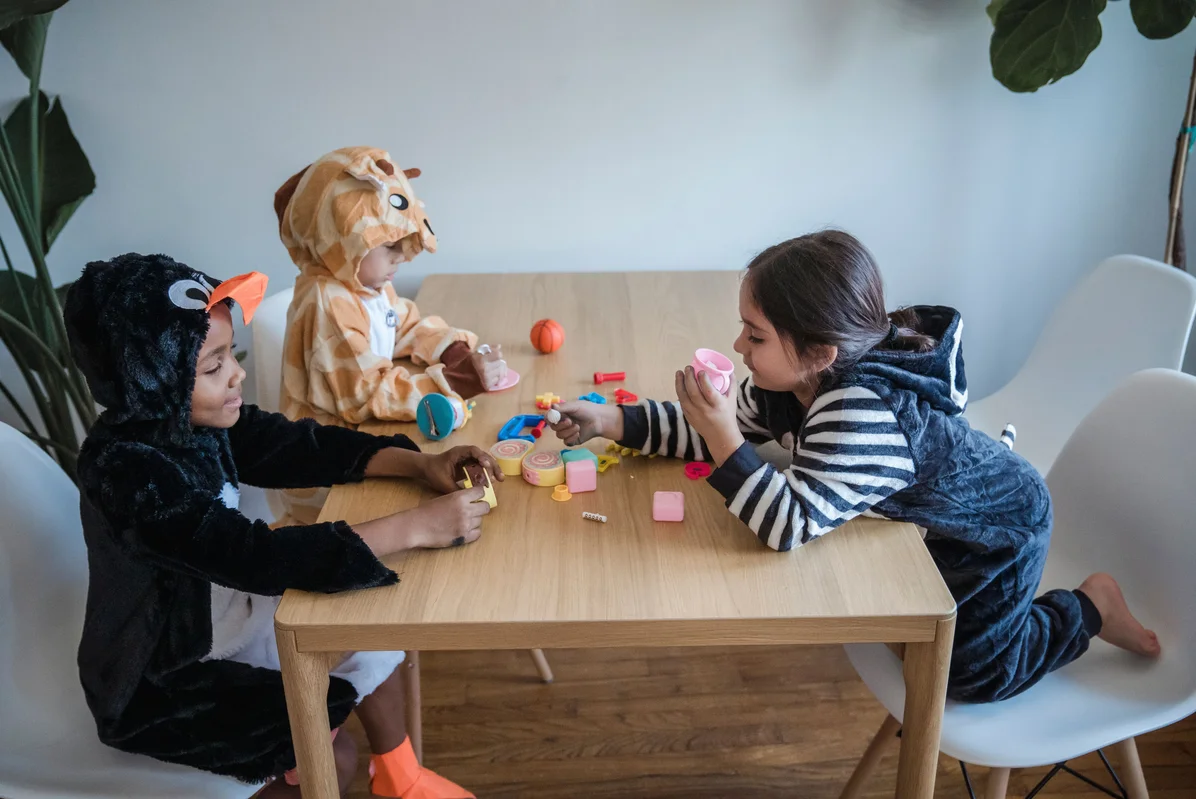
The Role of Schools in Emotional Learning
Schools play a big role in building emotional intelligence in children. The integration of emotional education into the curriculum helps students develop essential life skills. At the Willows Community School, teachers actively encourage discussions about feelings. This approach helps create a safe space for students to express themselves and learn from each other. Schools that use emotional learning programs often see improvements in student behavior and academic performance. A 2023 report indicates that schools integrating emotional education have better student interactions. This data shows that emotional intelligence is linked to overall school climate and student success. Additionally, schools serve as a primary place for socialization. Teaching children to recognize and manage their emotions prepares them for real-world interactions. This preparation is essential as they transition into adulthood. Emotional regulation becomes even more critical during this time. Schools like the Willows Community School are leading the way in emotional education. They show the importance of teaching emotional intelligence to children. This focus on emotional learning equips kids with skills that will last a lifetime.Final Thoughts
- Encourage a daily mood check: Have your child express their feelings each morning using a mood chart to track emotional changes.
- Incorporate emotional discussions: Make it a habit to talk about feelings during family meals to strengthen emotional ties.
- Choose storybooks: Select books that focus on emotions and discuss them with your child to enhance their emotional vocabulary.
Frequently Asked Questions
How does emotional intelligence affect children's development?
Emotional intelligence significantly impacts children's development. A study found that children with high emotional intelligence perform better academically. This finding was reported by the Yale Center for Emotional Intelligence in 2023. The better they manage emotions, the more effectively they can communicate and resolve conflicts. This skill affects their interactions with peers and adults. Parents can encourage emotional intelligence by discussing feelings regularly.
What techniques can parents use to teach emotional intelligence?
Parents can use various techniques to teach emotional intelligence effectively. One approach is to engage children in discussions about their feelings, which enhances their emotional awareness. A study from the Willows Community School in 2023 supports this method, showing that children benefit from emotional discussions. Talking about feelings helps children articulate their emotions and understand others. This practice is vital during early childhood when emotional skills develop rapidly. Parents should incorporate storytelling to illustrate emotional concepts.
Why is emotional regulation important for children?
Emotional regulation is essential for children as it helps them manage stress and build resilience. Studies show that children who regulate their emotions better have stronger relationships, as reported by Marc Brackett in 2023. Learning to control emotions enables children to respond rather than react to situations. This skill is particularly important in social settings where conflict may arise. Children who can manage their emotions tend to perform better academically and socially. Parents can help by modeling emotional regulation in their own behaviors. For background context, see To Our Children's Children's Children on Wikipedia.


